


As the automotive industry drives deeper into the era of digital transformation, the surge in smart vehicles and connected car technology has revolutionized modern transportation. However, with innovation comes vulnerability. The road to digital convenience is riddled with cybersecurity threats, making automotive cybersecurity not just a technological requirement but a safety imperative. This article explores the landscape of automotive cybersecurity, the threats, solutions, and future outlook, and why securing digital highways is now more critical than ever.
The Rise of Smart Vehicles and the Digital Shift
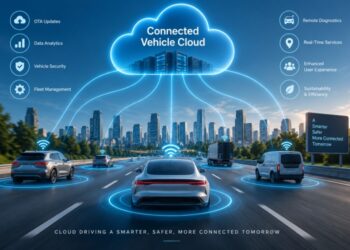
Smart vehicles, powered by sensors, connectivity modules, artificial intelligence, and over-the-air (OTA) updates, offer unprecedented levels of convenience and automation. From autonomous driving to infotainment systems, these digital enhancements rely on millions of lines of code and complex networks. Each innovation, while adding value, opens the door to potential cyber threats.
The modern vehicle is no longer an isolated machine but a data-rich, internet-connected system interacting with external networks and cloud infrastructure. While these advancements enhance driving experiences, they also expose cars to hackers who can exploit software vulnerabilities, manipulate control systems, or access personal data.
Understanding the Cybersecurity Threat Landscape
The automotive sector faces a growing range of cyber threats. From infotainment system breaches to full control of steering and braking systems, attackers have demonstrated their ability to exploit vehicle software and hardware. Key vulnerabilities include:
- Vehicle-to-Everything (V2X) Communication: This enables vehicles to communicate with each other and with infrastructure, but also opens channels that can be hijacked.
- Telematics Systems: Used for vehicle tracking, maintenance updates, and driver behavior analysis, these systems are frequent targets for data breaches.
- Infotainment and Mobile App Integration: Often connected to smartphones and the internet, these entry points are particularly vulnerable to malware and remote attacks.
- Electronic Control Units (ECUs): Each modern vehicle contains over 100 ECUs controlling essential functions. If one is compromised, it can jeopardize the entire vehicle system.
These threats highlight the urgent need for robust cybersecurity frameworks tailored to the automotive ecosystem.
Why Automotive Cybersecurity Matters More Than Ever
In the context of smart vehicles, cybersecurity is directly linked to public safety. Unlike traditional data breaches, which might result in financial or reputational damage, automotive cyberattacks can lead to loss of life or catastrophic road incidents.
Moreover, the automotive cybersecurity market is projected to witness rapid growth, driven by the increasing demand for connected and autonomous vehicles. According to a recent report by Persistence Market Research, the global automotive cybersecurity market is expected to expand at a significant CAGR, fueled by regulatory mandates, consumer awareness, and growing attack surfaces in vehicles.
Persistence Market Research also highlights that automakers and Tier 1 suppliers are accelerating investments in cyber-resilience, emphasizing the strategic importance of cybersecurity in maintaining brand trust and compliance with evolving regulations like the UNECE WP.29 and ISO/SAE 21434 standards.
Key Strategies to Strengthen Automotive Cybersecurity
To protect against cyber threats, automotive manufacturers and technology providers must adopt a multi-layered security approach. Here are some of the most effective strategies:
1. Secure-by-Design Architecture
Cybersecurity must be embedded in the design phase of vehicles. By incorporating security principles early in development—such as encryption, secure boot, and access control—manufacturers can build more resilient systems that are harder to exploit.
2. Real-Time Intrusion Detection Systems (IDS)
Modern vehicles require continuous monitoring to detect suspicious behavior or unauthorized access. IDS solutions analyze network traffic and system logs to identify anomalies, enabling quick responses to potential threats.
3. Over-the-Air (OTA) Software Updates
OTA technology allows manufacturers to deliver software patches and security updates without requiring a physical service visit. This is critical for quickly addressing vulnerabilities discovered post-production and maintaining up-to-date security defenses.
4. Endpoint Security for ECUs
Protecting each ECU with endpoint protection solutions—such as secure gateways, isolation techniques, and anomaly detection—ensures that even if one component is compromised, it doesn’t lead to a full-system breach.
5. Collaboration Across the Ecosystem
Automakers must collaborate with cybersecurity experts, standards bodies, and governments to share threat intelligence and develop industry-wide protocols. Public-private partnerships and information-sharing initiatives are essential to staying ahead of evolving threats.
Regulatory Compliance and Global Standards
Governments and international bodies are beginning to enforce cybersecurity regulations for vehicles. Two notable standards include:
- UNECE WP.29: This regulation mandates cybersecurity management systems (CSMS) throughout a vehicle’s lifecycle, affecting all new vehicle types in participating countries.
- ISO/SAE 21434: A technical standard that provides guidelines for managing cybersecurity risks in road vehicles during design, production, operation, and decommissioning.
Compliance with these standards is not just a regulatory requirement but also a competitive differentiator. Brands that prioritize cybersecurity demonstrate commitment to safety and gain consumer trust.
Challenges Facing the Automotive Industry
While the need for cybersecurity is clear, implementation poses several challenges:
- Legacy Systems: Many vehicles on the road use outdated software or hardware not designed with security in mind.
- Cost Implications: Developing and maintaining cybersecurity features adds to manufacturing costs, which can be a deterrent for budget-conscious automakers.
- Skills Gap: The automotive sector faces a shortage of cybersecurity professionals with both automotive and IT expertise.
- Supply Chain Risks: With many components sourced from third-party suppliers, ensuring the security of every element is difficult but essential.
The Future of Automotive Cybersecurity
Looking ahead, automotive cybersecurity will continue to evolve alongside advancements in electric vehicles, autonomous driving, and smart infrastructure. Innovations such as AI-driven threat detection, blockchain for secure transactions, and quantum-resistant encryption are being explored to future-proof vehicle security.
Furthermore, as consumers become more privacy-conscious, demand for data protection features will increase. Cybersecurity will become a core value proposition for smart vehicles, influencing purchasing decisions and brand loyalty.
Securing Tomorrow’s Mobility
In the race toward autonomous and connected mobility, automotive cybersecurity is the invisible force protecting lives and infrastructure. The challenges are significant, but so are the opportunities to innovate and lead. Automakers that take proactive steps today—adopting secure-by-design principles, investing in real-time monitoring, and collaborating with cybersecurity firms—will define the future of safe, digital mobility.