



According to latest research by Growth Market Reports, the global off-grid energy storage system market size reached USD 4.85 billion in 2024, reflecting a robust expansion driven by rising energy demand in remote areas and the increasing adoption of renewable energy sources. The market is projected to grow at a CAGR of 9.1% from 2025 to 2033, with the total value anticipated to reach USD 10.75 billion by 2033. This growth is primarily fueled by advancements in battery technologies, supportive government policies, and the urgent need for reliable, decentralized power solutions in both developed and emerging economies.
The off-grid energy storage system market is experiencing robust growth, driven by rising energy demand, renewable energy adoption, and the need for reliable electricity in remote areas. These systems, which store energy generated from solar, wind, and other renewable sources, offer uninterrupted power supply to areas not connected to the main grid.
Key Drivers
- Renewable Energy Integration – Solar photovoltaic (PV) and wind energy installations in off-grid regions require efficient storage solutions to maintain consistent power supply.
- Energy Security Concerns – Remote communities and industrial applications seek reliable electricity independent of grid fluctuations or outages.
- Government Incentives – Subsidies and financial support for energy storage projects encourage adoption, particularly in developing regions.
- Technological Advancements – Innovations in lithium-ion, flow, and solid-state batteries have improved storage efficiency, durability, and cost-effectiveness.
Challenges
- High Upfront Costs – The substantial initial investment for batteries, inverters, renewable generation equipment, and installation is a major barrier—particularly for households and small businesses in emerging regions. This high capital requirement slows down market penetration despite long term cost savings.
- Supply Chain Volatility & Raw Material Constraints – Dependence on key battery raw materials (e.g., lithium, cobalt) exposes manufacturers and buyers to price swings, supply delays, and logistics risks. These supply chain issues can delay deployment and raise system costs.
- Technical and Integration Complexities – Off grid systems deployed in remote areas often suffer from complex installation, ongoing maintenance challenges, and limited access to skilled technicians. Ensuring reliability in harsh environments (extreme heat, humidity, etc.) adds operational complexity.
- Battery Lifecycle and Degradation – While improving, battery lifespan and degradation remain concerns. Periodic replacements add maintenance costs and reduce long term ROI, affecting confidence among potential users.
Opportunities
- Rapid Growth in Rural Electrification & Remote Power Needs – Strong demand for reliable power in rural, remote and disaster prone regions is driving adoption. Off grid storage is crucial where grid extension is expensive or infeasible.
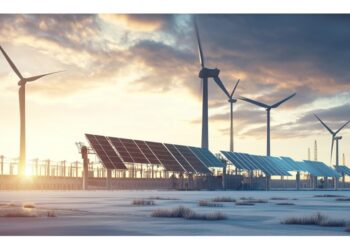
- Integration with Renewables & Hybrid Systems – Combining storage with solar, wind, hybrid microgrids, and backup generators creates enhanced system reliability and energy independence. Solar plus storage solutions are becoming the dominant off grid configuration.
- Technological Advancements & Smart Energy Management – Continuous improvements in battery technologies (like lithium ion, sodium ion, and others), modular system design, and intelligent energy management software are boosting efficiency, scalability, and customer appeal.
- Government Incentives & Policy Support – Many countries are introducing subsidies, tax incentives, and supportive policies to encourage renewable energy adoption—including off grid storage—especially in line with climate and energy security goals.
- Growing Commercial & Industrial Applications – Beyond residential use, off grid storage is gaining traction in commercial sectors (e.g., telecom towers, industrial UPS, backup for data centers) and for critical infrastructure requiring uninterrupted power.
Technological Advancements
Innovations in battery technologies—including lithium ion, sodium ion, and flow batteries—are improving energy density, lifespan, and safety. Additionally, modular system designs allow for easier expansion and customization, while intelligent energy management software optimizes charging, discharging, and load balancing. These advancements reduce costs, enhance performance, and make off grid storage more accessible for residential, commercial, and industrial applications.
Competitive Landscape
- ABB Ltd.
- Siemens AG
- Tesla, Inc.
- LG Chem Ltd.
- Sonnen GmbH
- Schneider Electric SE
- General Electric Company
- NEC Energy Solutions
- Samsung SDI Co., Ltd.
- Eaton Corporation plc
- EnerSys
Future Outlook
The off-grid energy storage system market is poised for substantial growth, driven by the global transition to renewable energy and the increasing need for energy independence. With continuous technological advancements and supportive government policies, off-grid storage solutions are becoming critical for powering homes, businesses, and industries in remote and underserved regions.Source: https://growthmarketreports.com/report/off-grid-energy-storage-system-market-global-industry-analysis