As the world shifts toward cleaner, more sustainable energy solutions, the transportation sector remains a key focus area in the battle against climate change. While electric vehicles (EVs) have gained widespread popularity, a quieter yet equally transformative technology is emerging—fuel cell vehicles (FCVs). These vehicles, powered by hydrogen and producing only water vapor as a byproduct, are steadily carving out a niche in the global transportation landscape. But the question remains: Are fuel cell vehicles truly the future of sustainable transportation?
The Rise of Fuel Cell Technology in Transportation
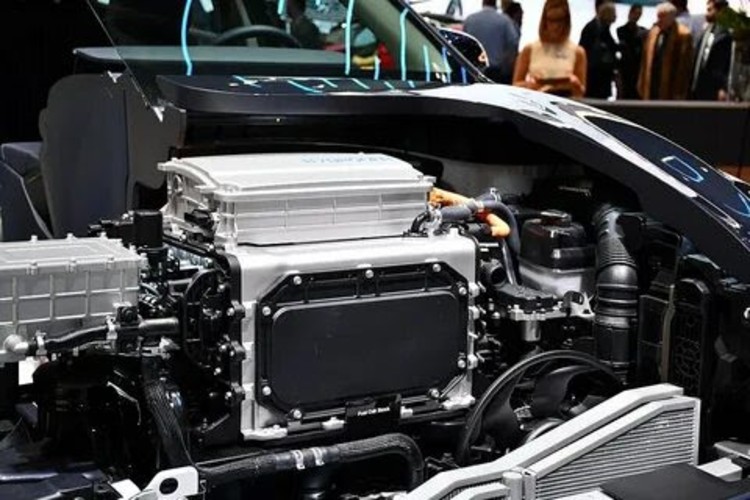
Fuel cell market can operate using hydrogen gas that reacts with oxygen in a fuel cell stack to generate electricity. This process, known as electrochemical conversion, emits only water and heat—making FCVs zero-emission vehicles. Unlike battery-electric vehicles (BEVs), which store electricity in large batteries, FCVs generate electricity on the go. This offers a significant advantage in terms of refueling time and driving range, making them ideal for heavy-duty and long-range transportation.
The Fuel Cell Market has seen notable growth in recent years, with increased investment from automakers, governments, and energy companies. According to Fairfield Market Research, the global shift toward decarbonization and the demand for clean energy alternatives are propelling fuel cell adoption across various sectors, including mobility.
Hydrogen vs. Batteries: The Ongoing Debate
One of the most frequently asked questions in the sustainable transport debate is whether hydrogen fuel cells can outperform traditional lithium-ion batteries. Battery-powered EVs have made significant strides in range, affordability, and infrastructure. However, they still face challenges in long-distance travel and commercial applications due to longer charging times and weight constraints.
On the other hand, FCVs offer faster refueling—comparable to conventional gasoline vehicles—and a longer range. This makes them highly suitable for buses, trucks, trains, and even maritime vessels. Fuel cell systems are also less sensitive to temperature variations, providing better performance in extreme weather conditions.
The Fuel Cell Market is leveraging these advantages to position FCVs as a practical alternative for applications where battery technology may fall short. Industry leaders argue that rather than competing, hydrogen fuel cells and batteries can coexist, each serving different niches within the broader clean mobility ecosystem.
The Role of Governments and Policy Support
Policy frameworks and government incentives play a critical role in accelerating the adoption of fuel cell vehicles. Countries like Japan, South Korea, Germany, and the United States have introduced national hydrogen strategies aimed at promoting hydrogen infrastructure, R&D, and deployment of FCVs.
For instance, South Korea plans to put 6.2 million hydrogen vehicles on the road by 2040 and build 1,200 refueling stations. The European Union is also investing heavily in the Hydrogen Roadmap Europe, aiming to establish hydrogen as a central component of its decarbonization strategy. These policies directly contribute to the expansion of the Fuel Cell Market, making the future of FCVs increasingly promising.
Fuel Cell Vehicles in the Commercial Sector
While consumer adoption of fuel cell cars has been gradual, commercial fleets are showing strong interest in the technology. Hydrogen-powered buses, delivery vans, and long-haul trucks are being deployed in several cities worldwide. Their fast refueling capabilities and extended ranges make them ideal for logistics and public transport.
Companies like Toyota, Hyundai, and Nikola are investing heavily in developing fuel cell trucks. In fact, Toyota’s Mirai and Hyundai’s NEXO are among the few FCVs available to the public today, while both companies are simultaneously working on commercial hydrogen fleets.
Fairfield Market Research notes that the commercial vehicle segment is expected to be a major driver in the evolution of the Fuel Cell Market, with logistics companies and municipalities leading the way in adoption.
Challenges Hindering Fuel Cell Vehicle Adoption
Despite its potential, the widespread adoption of FCVs faces several challenges:
- Hydrogen Infrastructure: A major hurdle is the lack of hydrogen refueling stations. Building this infrastructure is costly and requires coordinated government and private sector efforts.
- Hydrogen Production: Most hydrogen today is produced using fossil fuels, which undermines the environmental benefits. Green hydrogen—produced using renewable energy—needs to become more cost-effective and widely available.
- High Costs: Fuel cell systems and hydrogen storage tanks are still expensive, making FCVs less competitive compared to BEVs in the consumer market.
However, ongoing technological advancements, economies of scale, and policy incentives are expected to mitigate these barriers over time.
Fuel Cell Vehicles and the Path to Net Zero Emissions
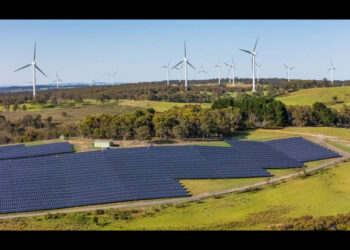
Reaching global net-zero emissions targets will require a diversified approach to clean energy in transportation. Fuel cell vehicles offer a viable solution, particularly for sectors where battery power is impractical. They also complement intermittent renewable energy sources by utilizing excess wind or solar power to produce hydrogen through electrolysis.
As the world accelerates its transition to clean energy, FCVs could play a pivotal role in reducing carbon footprints, especially in industries such as shipping, aviation, and long-haul trucking.
What’s Next for the Fuel Cell Vehicle Ecosystem?
The future of fuel cell vehicles depends largely on cross-industry collaboration, government backing, and technological breakthroughs. Advances in hydrogen storage, fuel cell efficiency, and infrastructure development are already underway. Companies are exploring innovative solutions like mobile hydrogen stations and hybrid fuel cell-battery systems to enhance performance and convenience.
The Fuel Cell Market is also witnessing growing interest from investors who see hydrogen as a key pillar in the future energy mix. As costs decline and awareness increases, FCVs are likely to become a more mainstream solution in the global transportation matrix.
A Complementary Path Forward
So, are fuel cell vehicles the future of sustainable transportation? The answer is a qualified yes. While battery-electric vehicles are likely to dominate the passenger car segment in the near term, fuel cell vehicles will play a critical role in decarbonizing commercial and long-range transport.
Instead of viewing these technologies as rivals, the global clean mobility strategy should consider a synergistic approach. Fuel cell vehicles, supported by an expanding Fuel Cell Market and robust policy frameworks, are poised to be an essential component of the world’s transition to a greener, more sustainable future.