


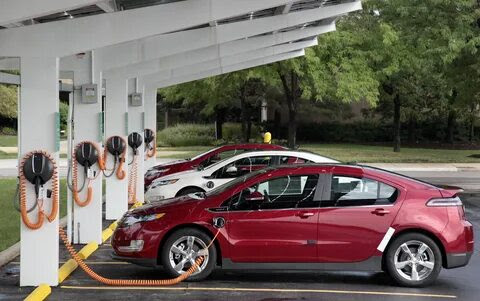
The global automotive industry is undergoing a massive transformation with the rapid adoption of electric vehicles (EVs). Among the many materials powering this shift, polymers have emerged as a cornerstone in improving energy efficiency, reducing weight, and meeting sustainability goals. From lightweight body panels and interiors to advanced insulation and battery casings, polymers are redefining how EVs are designed and manufactured. However, despite this growing importance, the Electric Vehicle Polymers Market faces several challenges that could restrict its momentum in the years ahead. Understanding these obstacles is crucial for policymakers, manufacturers, and investors seeking to align with the future of mobility.
Rising Raw Material Costs and Supply Chain Volatility
One of the foremost challenges lies in the rising costs of raw materials. The production of high-performance polymers often requires specialty chemicals derived from crude oil, natural gas, or bio-based sources. Any fluctuation in oil prices or shortages of chemical feedstocks can directly impact production costs. Moreover, supply chain disruptions, as witnessed during the COVID-19 pandemic, revealed the vulnerability of global procurement channels. Extended lead times, shipping delays, and geopolitical tensions have further created instability, making it difficult for automakers to secure steady supplies at predictable prices.
For EV manufacturers already battling with high battery costs, such raw material price hikes add pressure to maintain profitability. Without effective cost control strategies, the ability of polymers to remain a competitive material choice could be limited.
Environmental Concerns and Recycling Limitations
While polymers are prized for their lightweight properties, their environmental footprint raises significant concerns. Most conventional polymers are petroleum-based, making them energy-intensive to produce and difficult to recycle at scale. With stricter global regulations targeting automotive sustainability, automakers face the dual challenge of reducing reliance on non-recyclable plastics and meeting end-of-life vehicle (ELV) directives.
Developing recyclable or bio-based polymers remains a priority, but these alternatives often come at a higher cost and with limited performance compared to traditional counterparts. Until advanced recycling infrastructure and cost-effective eco-polymers become mainstream, environmental concerns will continue to pose a barrier to the wider adoption of polymers in EVs.
Technical and Performance Constraints
Another factor slowing down the adoption of polymers in EVs is their technical limitations compared to metals. Although polymers are strong, lightweight, and corrosion-resistant, they may not always provide the same durability or thermal stability as aluminum or steel in certain high-stress applications. For example, in battery casings and structural components, polymers must withstand extreme heat, vibration, and mechanical stress.
While advanced engineering plastics are being developed to overcome these issues, the research and development (R&D) costs are substantial. Furthermore, gaining regulatory approval for new polymer applications takes time, slowing down innovation cycles. This technical gap between performance requirements and current polymer capabilities is a hurdle that must be addressed for broader adoption.
High Initial Costs and Price Sensitivity
The Electric Vehicle Polymers Market also faces the challenge of affordability. Although polymers reduce vehicle weight and enhance efficiency, their production and processing costs can be high. Advanced polymer composites, such as carbon fiber-reinforced plastics, remain expensive to manufacture, limiting their use to premium EV segments rather than mass-market models.
Given that EV affordability remains a primary concern for consumers, especially in emerging economies, the high upfront cost of incorporating advanced polymers could deter manufacturers from scaling their usage. Until production technologies improve and economies of scale are achieved, polymers may struggle to penetrate lower-priced EV categories.
Limited Awareness Among Emerging Markets
In many developing regions, where EV adoption is still in its infancy, awareness about the benefits of polymers remains limited. Automakers in these markets often prioritize cost reduction over advanced material integration, leading to slower adoption of polymer-based solutions. Additionally, the lack of local suppliers and dependence on imports add logistical complexities.
For the Electric Vehicle Polymers Market to flourish globally, manufacturers need to focus on education, partnerships, and localized supply chains. Building awareness about the long-term cost savings and performance advantages of polymers could help accelerate adoption in these untapped markets.
Regulatory Pressures and Compliance Challenges
The push for cleaner, greener transportation is accompanied by evolving regulations around material safety and sustainability. Governments across Europe, North America, and Asia are tightening restrictions on the use of non-recyclable plastics and hazardous chemicals in vehicle manufacturing. Meeting these compliance requirements often involves significant investment in R&D and supply chain restructuring.
Smaller suppliers may struggle to adapt to these changing regulations, creating bottlenecks for automakers. Additionally, inconsistencies in global regulatory frameworks make it difficult for manufacturers to adopt standardized solutions, further slowing down innovation and scalability.
Dependence on Technological Advancements
The role of polymers in EVs is closely linked to technological advancements, particularly in battery design and lightweighting strategies. As EV architectures evolve, polymers must continually adapt to meet new performance benchmarks. This dependence on continuous innovation creates uncertainty in adoption rates, especially for suppliers who may lack the resources to keep pace with rapid technological changes.
Companies that fail to invest in R&D risk being sidelined as automakers seek advanced materials that align with next-generation EV platforms. For long-term growth, it is essential that suppliers anticipate future trends and proactively develop solutions tailored to upcoming vehicle technologies.
Competition from Alternative Materials
While polymers have clear advantages, they face stiff competition from other lightweight materials such as aluminum, magnesium alloys, and high-strength steels. These alternatives often provide superior structural performance and have well-established recycling processes, making them attractive for automakers aiming to balance cost, performance, and sustainability.
To remain competitive, polymer manufacturers must highlight the unique advantages of their materials—such as design flexibility, corrosion resistance, and insulation properties—that metals cannot easily replicate. Failure to differentiate could result in polymers losing ground to rival materials in critical EV applications.
Strategic Insights and the Way Forward
Despite these challenges, the Electric Vehicle Polymers Market holds significant potential, driven by rising EV adoption and the global push for lightweight, sustainable solutions. Addressing the barriers requires a multipronged strategy:
- Cost Reduction: Scaling up production and leveraging automation to make advanced polymers more affordable.
- Sustainability: Investing in bio-based and recyclable polymers to meet environmental regulations.
- Awareness Building: Educating emerging markets on the long-term advantages of polymer integration.
- Collaboration: Strengthening partnerships between automakers, polymer manufacturers, and research institutes to accelerate innovation.
Fairfield Market Research highlights that while short-term obstacles exist, the long-term outlook remains promising as innovation in materials science aligns with global EV expansion. By overcoming these hurdles, polymers can cement their role as a cornerstone of electric vehicle manufacturing.
The transition to electric mobility presents vast opportunities for polymer applications, but the road ahead is not without obstacles. Rising raw material costs, recycling challenges, technical constraints, regulatory pressures, and competition from alternative materials could slow down growth. However, with continued innovation, strategic investments, and global collaboration, these challenges can be transformed into opportunities. Ultimately, the ability of the industry to adapt will determine how central polymers remain in the evolution of electric vehicles.