


According to latest research by Growth Market Reports, the Transformerless Solar Central Inverter market size reached USD 4.1 billion in 2025, driven by a robust push towards renewable energy integration and cost-efficient solar solutions. The market is projected to grow at a CAGR of 8.3% from 2026 to 2034, reaching an estimated USD 8.4 billion by 2034. This growth is underpinned by record-breaking solar PV installations worldwide, tightening carbon emission regulations, and continuous advancements in inverter power electronics that simultaneously improve efficiency and reduce installed costs.
The Transformerless Solar Central Inverter Market is gaining attention as solar power becomes an increasingly important component of the global energy mix. Transformerless inverters convert direct current (DC) electricity generated by photovoltaic panels into alternating current (AC) electricity without relying on a conventional transformer for electrical isolation. Their compact design, reduced weight, and potential for improved conversion efficiency make them an attractive option for various solar power applications.
Key Drivers of Market Growth
Increasing Deployment of Solar Energy Systems
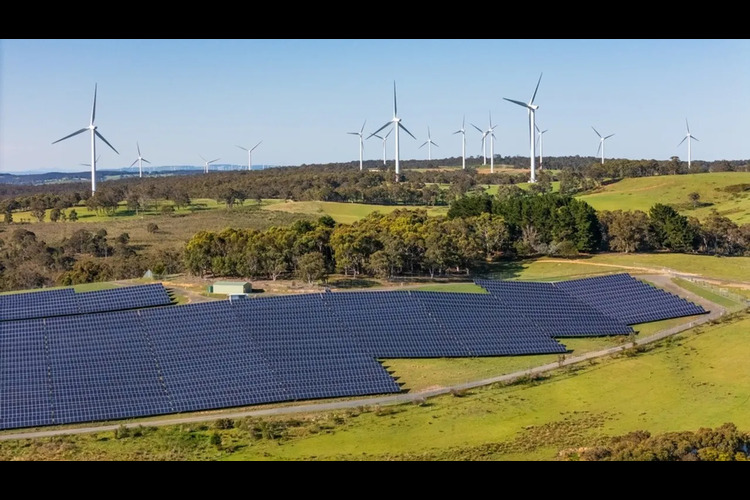
The global transition toward cleaner electricity generation is creating opportunities for manufacturers of solar power equipment. Governments, utilities, and private enterprises are investing in photovoltaic installations to diversify energy sources and reduce dependence on conventional fuels. Transformerless inverter technology supports these developments by offering efficient power conversion and a compact equipment configuration.
Large solar farms and commercial installations require dependable inverters capable of operating under varying environmental and electrical conditions. As solar projects expand, demand for equipment that balances performance, installation requirements, and operating costs is expected to increase.
Focus on Energy Conversion Efficiency
Energy losses during power conversion can affect the overall performance of solar installations. Transformerless inverter designs eliminate the conventional line-frequency transformer, potentially reducing conversion losses and equipment weight. These characteristics can help improve system efficiency and simplify equipment handling.
For project developers, even incremental improvements in conversion performance can be valuable when evaluated across extensive photovoltaic installations. This encourages continued investment in inverter designs that deliver reliable operation and efficient electricity generation.
Emerging Market Trends
Advancements in Power Electronics
Developments in semiconductor devices, switching technologies, and thermal management are influencing the evolution of transformerless solar inverters. Manufacturers are working to improve power density, reduce internal losses, and maintain stable performance during changing operating conditions.
Advanced control systems can also help inverters respond to grid requirements and manage variations in solar electricity generation. These improvements are strengthening the role of power electronics in modern renewable energy infrastructure.
Digital Monitoring and Smart Grid Integration
Digital monitoring is becoming increasingly important for solar plant management. Modern inverter systems can incorporate communication interfaces, remote diagnostics, and performance monitoring capabilities that help operators identify operational irregularities and schedule maintenance.
Integration with smart grid infrastructure is another emerging trend. Grid-support functions, including reactive power management and controlled responses to voltage fluctuations, can help solar installations meet evolving interconnection requirements.
Challenges Affecting Market Expansion
Safety and Electrical Protection Requirements
Transformerless designs do not provide galvanic isolation through a conventional transformer. Consequently, system design must account for leakage currents, grounding arrangements, insulation monitoring, and other electrical safety considerations. Appropriate protection mechanisms and compliance with applicable standards are essential for dependable operation.
Manufacturers and project developers must carefully evaluate installation conditions and grid compatibility. These requirements can increase engineering complexity, particularly in projects operating under different national regulations.
Initial Investment and Maintenance Considerations
Although transformerless inverters can reduce equipment weight and improve conversion efficiency, purchasing decisions depend on overall system economics. Component costs, installation requirements, maintenance availability, and expected operating life all influence project selection.
Price competition and supply chain fluctuations may also affect manufacturers. Providing reliable products while controlling production costs remains important for maintaining competitiveness across different market segments.
Competitive Landscape
SMA Solar Technology
Huawei Technologies
Sungrow Power Supply
Schneider Electric
FIMER S.p.A.
Delta Electronics
Power Electronics S.A.
KACO new energy
Ingeteam
Ginlong Solis
Growatt New Energy
GoodWe
Market Opportunities and Future Outlook
The growing adoption of utility-scale solar farms, industrial rooftop installations, and commercial photovoltaic systems presents opportunities for transformerless inverter manufacturers. Emerging solar markets may offer additional potential as electricity demand increases and renewable energy infrastructure develops.
Future innovation is likely to emphasize higher conversion efficiency, improved thermal performance, intelligent fault detection, and enhanced grid compatibility. Battery storage integration may also encourage demand for inverter systems capable of supporting more flexible energy management arrangements.
Overall, the Transformerless Solar Central Inverter Market is positioned for continued development as investment in solar power infrastructure expands. Manufacturers that combine efficient power conversion, robust electrical protection, digital monitoring, and dependable long-term performance will be better equipped to address the changing requirements of the renewable energy industry.
Source: https://growthmarketreports.com/report/transformerless-solar-central-inverter-market