


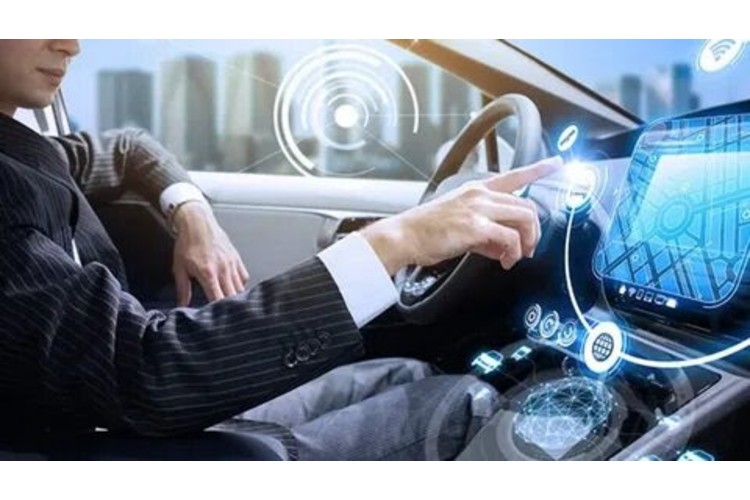
The Automotive Human Machine Interface (HMI) Market is undergoing a transformative shift as vehicles become more intelligent, connected, and user-centric. In 2025, we’re witnessing a convergence of technologies like AI, augmented reality, and voice recognition reshaping the driving experience. No longer limited to physical knobs and buttons, the HMI landscape now includes smart displays, touch-sensitive controls, and intuitive gesture-based systems. These changes are not only improving vehicle functionality but also significantly enhancing safety and personalization. According to Persistence Market Research, the HMI market is poised for robust expansion due to these advancements. Below, we explore the seven most influential trends steering the market in 2025.
1. Surge in Voice Recognition Technology Integration
One of the most dominant trends in 2025 is the growing adoption of voice recognition systems in vehicles. As consumers demand safer, hands-free driving experiences, voice assistants like Amazon Alexa, Google Assistant, and proprietary AI from automakers are taking center stage. These voice interfaces allow drivers to control navigation, climate settings, and even external smart home devices without taking their hands off the wheel. With continuous improvements in Natural Language Processing (NLP), these systems are becoming more intuitive and capable of understanding context, regional dialects, and user intent with greater accuracy.
2. Expansion of Augmented Reality in Head-Up Displays (AR HUDs)
Augmented Reality Head-Up Displays (AR HUDs) have shifted from luxury to mainstream in 2025. These systems project crucial driving data—like speed, navigation cues, and hazard warnings—directly onto the windshield within the driver’s line of sight. This reduces distraction and improves safety. Some automakers are even integrating pedestrian and object recognition with AR overlays, enabling real-time environmental awareness. AR HUDs enhance not just safety but also the overall user experience by merging the digital and physical worlds in the vehicle cabin.
3. Growth of Multi-Modal Interfaces
Consumers are no longer satisfied with just one mode of interaction. In response, the Automotive Human Machine Interface (HMI) Market is rapidly embracing multi-modal interfaces, which combine touch, voice, gesture, and eye-tracking inputs. This trend allows users to interact with the car in whichever way feels most natural at any given moment. For instance, a driver might use a gesture to skip a song, voice command to set the temperature, and touch to adjust seat settings. This multimodal approach not only offers flexibility but also improves accessibility for users with disabilities or specific preferences.
4. Artificial Intelligence and Machine Learning in Personalization
Personalization powered by AI and machine learning is becoming a core component of next-generation HMIs. Vehicles can now learn from user behavior, preferences, and routines to deliver a custom driving experience. Whether it’s adjusting seat positions, recommending music, or pre-setting climate control based on time of day and outside temperature, AI-enhanced HMIs are designed to anticipate user needs. Persistence Market Research reports that automakers are investing significantly in AI capabilities to create predictive and personalized interfaces, fostering brand loyalty and elevating user satisfaction.
5. Integration with IoT and Smart Ecosystems
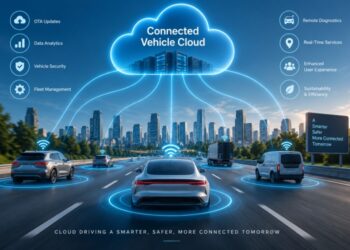
The line between automobiles and personal digital ecosystems is blurring. In 2025, connectivity with the Internet of Things (IoT) is a key trend in HMI development. Vehicles are being designed to act as an extension of users’ digital lives, syncing seamlessly with smartphones, wearable devices, smart homes, and even office systems. Drivers can now start their coffee machine at home while en route or receive real-time calendar updates and reminders through their vehicle’s infotainment system. This tight integration not only enhances convenience but also reflects the evolving consumer expectation of always-on connectivity.
6. Emphasis on Minimalistic and Intuitive UI/UX Design
As HMIs become more complex in function, their design is trending toward minimalism and intuitive use. Automakers are focusing on clutter-free dashboards, simplified menus, and context-sensitive displays that only present information when relevant. This design philosophy is crucial for ensuring safety by minimizing cognitive load and distraction. In 2025, automotive brands are working closely with user experience (UX) specialists and behavioral scientists to engineer systems that are easy to navigate while driving, especially as vehicle autonomy levels increase.
7. Adoption of Over-the-Air (OTA) Updates for HMI Software
Over-the-Air (OTA) updates have revolutionized how HMI systems are maintained and enhanced. Much like smartphones, modern vehicles in 2025 receive regular software updates that can introduce new features, enhance existing functionalities, or fix security vulnerabilities without the need for a dealership visit. This capability is not only cost-effective but also crucial in keeping HMI systems current as user expectations and technologies evolve. Consumers now expect their in-car interfaces to improve over time, adding value long after purchase.
Future Outlook for the Automotive HMI Landscape
The Automotive Human Machine Interface (HMI) Market is expected to witness continued innovation, fueled by increasing demand for safer, more connected, and more personalized vehicles. Automakers are no longer just building cars; they are creating intelligent ecosystems on wheels. With technological convergence accelerating, we can expect more cross-industry collaborations between automotive OEMs, software developers, AI startups, and user experience designers.
As driving becomes more autonomous and vehicles become digital hubs, HMI systems will play a pivotal role in ensuring driver engagement, trust, and control. The journey toward more immersive and responsive interfaces has just begun—and 2025 marks a key milestone in that evolution.