


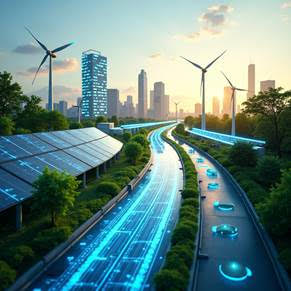
The energy landscape is undergoing a profound transformation, driven by the twin imperatives of sustainability and technological innovation. As the world grapples with climate change and the urgent need to reduce greenhouse gas emissions, the concept of “smart energy” has emerged as a beacon of hope. This article delves into the future of smart energy, exploring upcoming trends, technologies, and the implications for consumers, industries, and policymakers.
Understanding Smart Energy
Smart energy encompasses a range of technologies and practices aimed at optimizing energy production, distribution, and consumption. It leverages digital technologies such as the Internet of Things (IoT), artificial intelligence (AI), big data analytics, and blockchain to create more efficient, reliable, and sustainable energy systems.
Key Trends Shaping the Future of Smart Energy
1. Decentralization of Energy Systems
One of the most significant trends in smart energy is the shift from centralized to decentralized energy systems. Traditionally, energy has been generated at large power plants and distributed through extensive grid networks. However, the rise of renewable energy sources such as solar and wind, along with advancements in energy storage solutions, is enabling a more decentralized approach. Microgrids, community solar projects, and local energy storage systems are becoming increasingly common, allowing consumers to generate and manage their energy locally.
2. Integration of Renewable Energy
The integration of renewable energy sources is a cornerstone of the smart energy future. Solar, wind, hydro, and geothermal power are becoming more prevalent due to their declining costs and technological advancements. Smart grids are being developed to handle the variability of these renewable sources, ensuring a stable and reliable energy supply. The use of AI and machine learning in forecasting and optimizing renewable energy production is also gaining traction, enhancing the efficiency and predictability of these sources.
3. Advanced Energy Storage Solutions
Energy storage is a critical component of smart energy systems, addressing the intermittency of renewable sources. Battery technology, particularly lithium-ion batteries, has seen significant advancements, leading to more efficient and cost-effective storage solutions. Emerging technologies such as solid-state batteries, flow batteries, and hydrogen storage are also promising to revolutionize the energy storage landscape. These innovations are crucial for enabling grid stability, peak shaving, and energy arbitrage.
4. Smart Grids and IoT Integration
The traditional power grid is being transformed into a smart grid, capable of two-way communication between energy providers and consumers. IoT devices, such as smart meters, sensors, and connected appliances, are integral to this transformation. They provide real-time data on energy usage, enabling more efficient demand-side management and load balancing. Smart grids can also facilitate dynamic pricing, where energy prices fluctuate based on supply and demand, incentivizing consumers to shift their consumption patterns.
5. Electric Vehicles (EVs) and Smart Charging
The rise of electric vehicles is a significant driver of smart energy adoption. EVs are not only reducing reliance on fossil fuels but also serving as mobile energy storage units. Vehicle-to-grid (V2G) technology allows EVs to discharge electricity back into the grid during peak demand periods, enhancing grid stability. Smart charging infrastructure, integrated with renewable energy sources, is essential for optimizing the charging process, minimizing grid impact, and maximizing the use of green energy.
6. Blockchain for Energy Transactions
Blockchain technology is poised to revolutionize energy transactions by providing a secure, transparent, and decentralized platform for energy trading. Peer-to-peer (P2P) energy trading platforms, powered by blockchain, enable consumers to buy and sell excess energy directly, fostering a more decentralized and democratic energy market. Smart contracts can automate these transactions, reducing the need for intermediaries and enhancing efficiency.
Implications for Stakeholders
For Consumers
The future of smart energy promises numerous benefits for consumers, including greater control over their energy usage, lower energy costs, and increased access to renewable energy sources. Smart home technologies, such as smart thermostats and energy-efficient appliances, will empower consumers to optimize their energy consumption, reduce their carbon footprint, and save money. Additionally, the rise of P2P energy trading platforms will enable consumers to become prosumers, producing and selling their energy.
For Industries
Industries stand to gain significantly from smart energy innovations, particularly in terms of cost savings, operational efficiency, and sustainability. Smart energy solutions can help industries optimize their energy consumption, integrate renewable energy sources, and comply with increasingly stringent environmental regulations. Energy-intensive industries, such as manufacturing and transportation, will benefit from the adoption of advanced energy storage solutions and smart grid technologies, enhancing their competitiveness and resilience.
For Policymakers
Policymakers play a crucial role in shaping the future of smart energy by creating an enabling environment for innovation and investment. This includes developing regulatory frameworks that support the integration of renewable energy, incentivizing the adoption of smart energy technologies, and ensuring the security and resilience of energy systems. International cooperation and standardization are also essential for fostering a global smart energy ecosystem that can address transboundary challenges such as climate change and energy security.
Smart Energy Market Outlook 2034
As Per Transparency Market Research, The global smart energy market is poised for remarkable growth over the next decade. Valued at US$ 148.6 billion in 2023, it is estimated to grow at a compound annual growth rate (CAGR) of 8.2% from 2024 to 2034, reaching an impressive US$ 350.9 billion by the end of 2034. This growth is driven by the increasing adoption of renewable energy, advancements in energy storage technologies, and the widespread implementation of smart grid solutions. As stakeholders continue to invest in smart energy innovations, the market is expected to play a crucial role in the global transition towards sustainable energy systems.
Challenges and Opportunities
The transition to a smart energy future is not without challenges. Key issues include the high upfront costs of smart energy technologies, the need for robust cybersecurity measures to protect against digital threats, and the requirement for significant infrastructure upgrades. However, these challenges present opportunities for innovation, collaboration, and investment.
Startups and established companies alike are developing innovative solutions to address these challenges, from cost-effective energy storage technologies to advanced cybersecurity protocols. Governments and international organizations are also investing in research and development, pilot projects, and public-private partnerships to accelerate the adoption of smart energy systems.
Conclusion
The future of smart energy is bright, offering a path towards a more sustainable, efficient, and resilient energy landscape. By harnessing the power of digital technologies, renewable energy, and innovative business models, the world can transition to a smarter energy system that benefits consumers, industries, and the planet. As we look to the horizon, it is clear that smart energy will play a pivotal role in addressing the energy challenges of the 21st century, paving the way for a greener and more sustainable future.