


India’s renewable energy transition is progressing at an impressive pace. Solar parks, wind farms, rooftop installations and hybrid projects are steadily changing the country’s electricity generation landscape. Yet, as renewable capacity increases, a fundamental challenge is becoming more apparent: generating clean electricity is only one part of the energy transition. Ensuring that electricity is available when consumers need it is equally important.
This creates India’s renewable energy paradox. The country can generate substantial amounts of solar power during the day, but electricity demand continues into the evening and night, when solar generation declines or disappears. Without adequate storage and grid flexibility, the gap between generation and consumption could become increasingly difficult to manage.
A Rapidly Expanding Renewable Energy Market
According to the Ministry of New and Renewable Energy, India’s cumulative installed solar capacity reached approximately 171.05 GW as of September 30, 2026. Total renewable energy capacity, including large hydropower, stood at approximately 299.25 GW, while total non-fossil fuel capacity reached around 308.03 GW.
Ministry of New And Renewable Energy
These figures demonstrate the scale of India’s progress towards its 500 GW non-fossil capacity target by 2030.
The International Energy Agency’s 2026 India Renewable Energy Market Report also highlights that renewable electricity generation exceeded 500 TWh in 2025, contributing approximately one-quarter of India’s total electricity supply.
However, installed capacity and actual electricity availability are two different measures. Solar generation depends on sunlight, weather conditions and seasonal variations, while wind generation also fluctuates with weather patterns.
The Missing Link: Energy Storage
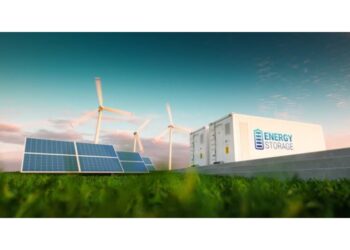
Battery Energy Storage Systems (BESS) and pumped storage hydropower are emerging as essential solutions to this challenge.
Battery systems can absorb excess electricity during periods of high renewable generation and release it when demand increases. Pumped storage plants use surplus electricity to pump water to an elevated reservoir and generate electricity when required.
According to the Ministry of Power, India’s projected battery storage requirement is approximately 47.24 GW/236 GWh by 2031-32. The estimated investment requirement for this battery storage capacity is around ₹3.49 lakh crore. The same projections identify a requirement of 26.69 GW/175 GWh of pumped storage capacity.
Press Information Bureau
These projections underline the scale of infrastructure investment required to support renewable energy growth.
When Clean Electricity Goes Unused
The absence of adequate storage can result in renewable energy curtailment, where electricity generation is reduced because the grid cannot absorb or utilise all available power.
A June 2026 analysis by energy think tank Ember estimated that approximately 2.1 TWh of renewable electricity was curtailed in FY 2025-26 because coal-fired power plants could not reduce their output sufficiently during periods of high solar generation.
The analysis suggested that approximately 10 GWh of battery storage could have helped absorb this surplus electricity under the identified operating conditions.
This illustrates why storage should not be viewed simply as an additional technology investment. It can improve the utilisation of renewable assets that are already operational.
Grid Modernisation Must Accompany Storage
Battery installations alone cannot resolve every challenge associated with renewable integration.
India also needs stronger transmission infrastructure, advanced forecasting systems, flexible generation assets and improved coordination between electricity generators and distribution companies.
Transmission bottlenecks can prevent electricity generated in renewable-rich states from reaching demand centres. Similarly, inadequate forecasting and scheduling can make it difficult for grid operators to balance supply and demand.
Digital energy management systems, smart grids and real-time monitoring can improve operational efficiency and support higher renewable penetration.
Turning the Storage Gap into an Investment Opportunity
The storage requirement creates opportunities across battery manufacturing, project development, power electronics, energy management software, grid infrastructure and recycling. The government’s revised VGF scheme for battery storage has expanded its supported capacity from 4,000 MWh to 13,200 MWh within the approved budgetary allocation of ₹3,760 crore. This reflects the importance of public-sector support in improving project viability.
Private investors and infrastructure developers can also participate through competitive bidding, renewable-plus-storage projects and long-term power procurement arrangements.
Moving Beyond Installed Capacity
India’s renewable energy ambitions cannot be measured only by the number of solar panels installed or gigawatts added to the grid.
The real measure of progress will be the country’s ability to deliver clean electricity consistently, affordably and reliably across different hours of the day.
Storage, transmission and grid flexibility must therefore evolve alongside renewable generation. Bridging this gap will be essential to convert India’s renewable energy capacity into a dependable foundation for long-term economic growth.