


According to Research Intelo, the global grid-following inverters market size reached USD 7.4 billion in 2024 and is projected to expand at a robust CAGR of 8.2% from 2025 to 2033, reaching approximately USD 14.5 billion by 2033. The primary growth factor for this market is the rapid expansion of renewable energy installations worldwide, particularly solar photovoltaic (PV) systems, which increasingly rely on advanced inverter technologies for efficient grid integration and energy management.
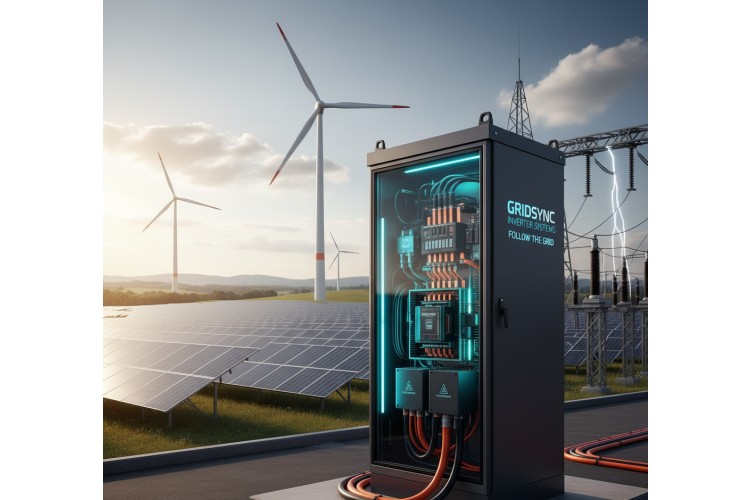
The global energy landscape is undergoing a significant transformation, driven by the increasing adoption of renewable energy sources such as solar and wind power. At the heart of this transition are inverters, devices that convert direct current (DC) electricity into alternating current (AC) to synchronize with the electrical grid. Among these, grid-following inverters play a pivotal role in ensuring the seamless integration of renewable energy into existing power systems.
Key Drivers of Market Growth
Renewable Energy Integration
The global shift towards renewable energy sources necessitates the integration of advanced inverter technologies. Grid-following inverters are essential in facilitating this integration, ensuring that renewable energy systems can operate harmoniously with the existing grid infrastructure.
Government Policies and Incentives
Governments worldwide are implementing policies and incentives to promote renewable energy adoption. These include subsidies, tax rebates, and feed-in tariffs, which encourage the installation of solar PV systems and, consequently, the demand for grid-following inverters.
Technological Advancements
Continuous advancements in inverter technology have led to more efficient and cost-effective solutions. Features such as maximum power point tracking (MPPT), enhanced safety protocols, and improved grid compatibility have made grid-following inverters more attractive to consumers and businesses alike.
Challenges in the Grid-Following Inverters Market
Grid Stability Concerns
The increasing penetration of renewable energy sources can lead to grid instability due to the intermittent nature of solar and wind power. Grid-following inverters must be equipped with advanced features to maintain grid stability and prevent power quality issues.
Compatibility with Legacy Systems
Integrating modern inverter technologies with existing grid infrastructure can pose challenges. Ensuring compatibility between new inverters and legacy systems requires significant investment and planning.
Regulatory Hurdles
Varying regulations across different regions can complicate the deployment of grid-following inverters. Manufacturers must navigate these regulatory landscapes to ensure compliance and facilitate market entry.
Future Outlook
The future of the grid-following inverters market appears promising, with continued growth anticipated due to the ongoing expansion of renewable energy projects worldwide. Innovations in inverter technology, coupled with supportive government policies, are expected to drive market dynamics. However, addressing challenges related to grid stability, system compatibility, and regulatory compliance will be crucial for sustaining this growth trajectory.
Competitive Landscape
Prominent companies operating in the market are:
- SMA Solar Technology AG
- Huawei Technologies Co., Ltd.
- Sungrow Power Supply Co., Ltd.
- ABB Ltd.
- Siemens AG
- FIMER S.p.A.
- Delta Electronics, Inc.
- Schneider Electric SE
- TMEIC (Toshiba Mitsubishi-Electric Industrial Systems Corporation)
- General Electric Company
- Eaton Corporation plc