



In the global energy transition, one innovation stands at the heart of reliability, sustainability, and efficiency — battery energy storage. As renewable energy sources like solar and wind continue to scale, their intermittent nature poses a serious challenge to achieving true 24/7 power availability. The solution lies in Battery Energy Storage Systems (BESS) Market, which are redefining the way the world generates, stores, and consumes electricity. According to Fairfield Market Research, the Battery Energy Storage System Market has entered a transformative phase where innovation, government incentives, and grid modernization converge to make round-the-clock renewable power a reality.
The Role of Battery Energy Storage in Renewable Integration
Renewable energy, while clean and abundant, is inherently variable. Solar energy systems depends on daylight, while wind generation fluctuates with weather patterns. Without an effective energy storage mechanism, this inconsistency leads to grid instability and wasted potential. Battery energy storage bridges this gap by storing surplus power during periods of low demand and releasing it during peak hours.
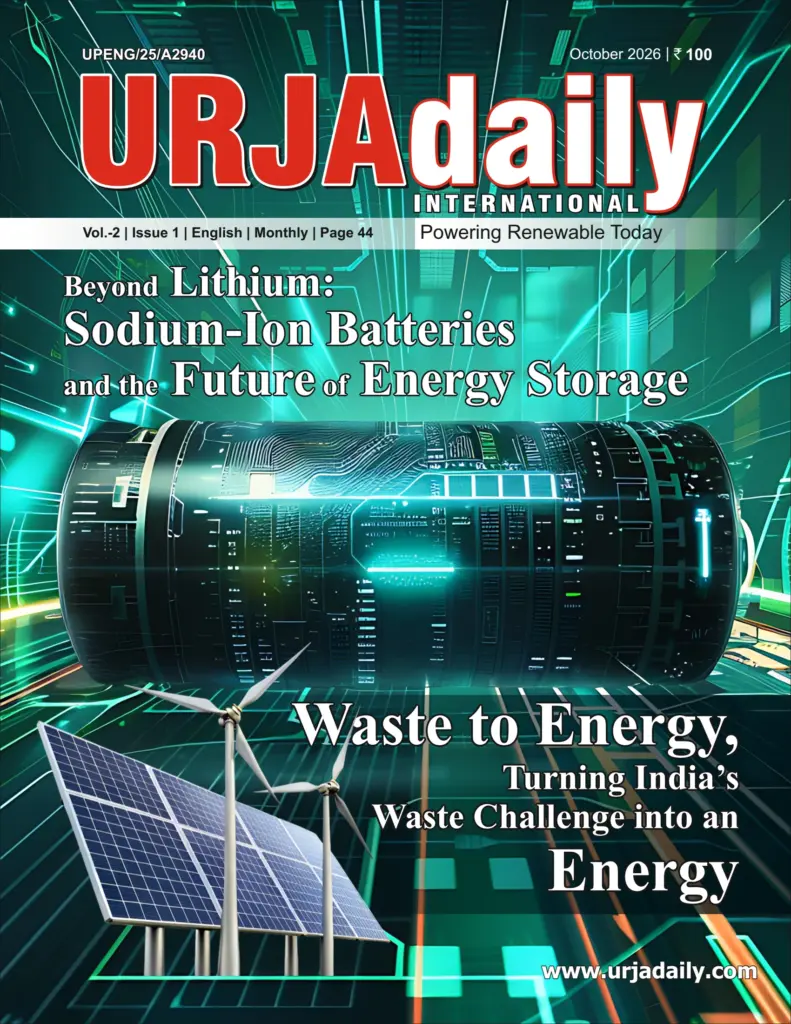
Modern BESS solutions use lithium-ion, sodium-ion, and flow batteries to deliver grid-scale flexibility. This capability ensures that renewable energy can be dispatched on demand — not just when the sun shines or the wind blows. As a result, the integration of renewables into national grids becomes smoother, reducing reliance on fossil fuels and stabilizing power supply even during high-demand intervals.
Why 24/7 Renewable Power Matters?
The goal of 24/7 renewable energy is not just an environmental commitment — it’s an economic imperative. Businesses, industries, and governments are under pressure to meet net-zero emissions targets while maintaining cost efficiency and grid reliability. Achieving continuous renewable power allows for uninterrupted operations, minimizes outages, and reduces dependence on traditional energy sources that emit greenhouse gases.
Battery storage is key to this transformation. With robust storage systems in place, renewable energy can move from being a secondary power source to a primary one, capable of supplying energy whenever and wherever it’s needed. Countries like the U.S., Germany, and China are rapidly scaling up their storage infrastructure, setting global benchmarks for sustainable grid modernization.
How BESS Balances Supply and Demand in Real Time?
One of the most crucial advantages of the Battery Energy Storage System Market is its ability to balance electricity supply and demand dynamically. When renewable generation exceeds consumption, batteries absorb the excess power. Later, during peak demand or low generation periods, that stored power is released to the grid.
This flexibility minimizes energy curtailment and reduces dependency on gas-powered peaker plants. Moreover, advanced software and AI-driven control systems enable predictive energy management, ensuring that storage and dispatch cycles align perfectly with grid requirements. This balance is vital to supporting renewable energy penetration in both developed and developing regions.
Technological Advancements Driving the Battery Energy Storage Revolution
The performance and affordability of BESS have improved dramatically over the past decade. Technological innovations have focused on three key areas — battery chemistry, energy density, and system efficiency.
Lithium-ion batteries remain dominant due to their proven scalability and efficiency. However, emerging technologies like solid-state batteries and redox flow batteries are gaining traction, offering longer lifespans and enhanced safety. Meanwhile, improvements in energy management systems (EMS) and thermal regulation ensure that storage units operate optimally under varied environmental conditions.
Furthermore, the rise of second-life EV batteries — repurposed from electric vehicles — has opened new sustainability pathways. These repurposed cells provide affordable storage solutions, extending battery life cycles and reducing waste in the renewable ecosystem.
Grid Resilience and Decentralized Power Generation
Energy storage is not limited to utility-scale grids; it also empowers communities and industries to generate and store their own energy. This decentralization strengthens grid resilience and reduces the risk of widespread blackouts.
Microgrids and community-based storage projects are rapidly expanding across rural and remote regions. These localized systems ensure continuous access to power, even when main grids fail or natural disasters strike. In addition, smart grid infrastructure allows utilities to integrate multiple distributed energy resources (DERs), enabling a two-way power flow between producers and consumers.
In regions such as Africa, Southeast Asia, and Latin America, Battery Energy Storage Systems are accelerating electrification efforts, providing reliable power for hospitals, schools, and small businesses.
Policy Support and Global Investments Accelerating Market Growth
The Battery Energy Storage System Market is thriving thanks to proactive government policies and strong investment momentum. Nations across the globe are introducing subsidies, tax credits, and renewable energy mandates to drive adoption.
In the U.S., the Inflation Reduction Act offers long-term investment tax credits for standalone energy storage projects. The European Union’s Green Deal and the United Kingdom’s Energy Security Strategy emphasize large-scale storage as a core enabler of decarbonization. Meanwhile, Asia-Pacific economies — particularly China, India, and South Korea — are emerging as key manufacturing and deployment hubs for advanced storage technologies.
Private investors and energy giants are also accelerating deployment. According to Fairfield Market Research, investment in grid-scale battery storage projects has grown exponentially, as companies recognize the strategic importance of storage in achieving net-zero energy systems.
Applications Beyond the Grid: Industrial and Residential Adoption
Battery energy storage is no longer confined to large utility installations. Industries, commercial facilities, and households are increasingly installing energy storage systems to reduce energy costs, improve efficiency, and enhance energy independence.
Industrial users leverage storage for peak shaving, ensuring operations remain stable during demand surges. For residential consumers, home battery systems paired with rooftop solar panels are becoming mainstream, enabling self-consumption and backup power during outages.
As storage prices continue to fall, decentralized adoption will drive the next wave of growth, creating a multi-dimensional market ecosystem that spans households, commercial buildings, and public infrastructure.
Building a Sustainable Energy Future
The path to 24/7 renewable energy is clear — and Battery Energy Storage Systems are paving the way. With advancements in chemistry, intelligent control systems, and supportive regulatory frameworks, battery storage is no longer a futuristic concept but a commercial reality transforming the global energy landscape.
As nations aim for carbon neutrality, storage solutions will remain central to integrating renewables, stabilizing grids, and empowering consumers. The Battery Energy Storage System Market is set to expand not just in volume but also in strategic importance, becoming a cornerstone of the clean energy revolution.
In the next decade, the synergy between renewable generation, digital technologies, and energy storage will redefine global energy accessibility. From powering smart cities to ensuring rural electrification, battery storage will ensure that renewable energy is available — anytime, anywhere, and for everyone.