



As industries, governments, and consumers face unprecedented pressure to reduce carbon footprints, cut costs, and meet sustainability goals, the role of energy management systems has never been more crucial. The Energy Management System (EMS) Market has emerged as a vital enabler of efficiency and innovation, offering tools that optimize energy use across industries. Despite its promise, the market continues to grapple with barriers such as high installation costs, integration difficulties, and cybersecurity risks. The central question is whether these challenges can be overcome to unlock the vast opportunities waiting ahead.
What Drives Growth in the EMS Market?
- Regulatory Mandates and Decarbonization Targets
Governments worldwide are implementing stringent energy regulations and climate policies. From Europe’s “Fit for 55” strategy to North America’s Inflation Reduction Act, energy efficiency is being pushed as a mandatory requirement, not just an option. These frameworks are creating fertile ground for EMS adoption.
- Technological Advancements in IoT and AI
EMS has shifted from being a monitoring tool to a predictive solution powered by the Internet of Things and artificial intelligence. With AI-driven forecasting and IoT-enabled sensors, organizations can now predict usage patterns, automate adjustments, and achieve significant cost savings.
- Corporate Sustainability Commitments
A growing number of companies are pledging net-zero carbon goals. Energy management solutions give them the ability to track, analyze, and report energy performance, strengthening brand reputation while also meeting compliance demands.
Key Challenges Hindering Market Adoption
- High Initial Costs
The cost of deploying EMS hardware, software, and integration remains a major barrier. For small and medium-sized businesses, the long payback period makes it harder to justify investments despite potential long-term benefits.
- Complexity of Integration
Integrating EMS into older industrial infrastructure is often complicated. Legacy systems may not be compatible with modern platforms, requiring customization and additional expense. This slows down adoption in industries like oil & gas and manufacturing.
- Cybersecurity and Data Concerns
With many solutions moving to the cloud, data privacy is a growing concern. Energy consumption data can reveal sensitive operational patterns. Companies remain cautious about fully embracing cloud-based EMS unless robust cybersecurity measures are assured.
Emerging Opportunities Shaping the Future
- Integration with Renewable Energy
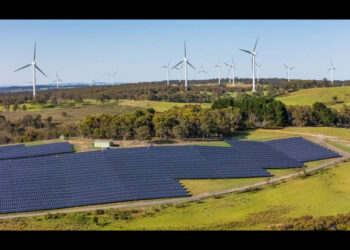
One of the biggest opportunities for the Energy Management System (EMS) Market lies in its ability to balance renewable energy sources such as wind and solar. EMS platforms help integrate variable supply with demand, ensuring grid stability and efficient use of clean energy.
- Growth in Emerging Economies
Developing nations are investing heavily in smart infrastructure and urbanization projects. Markets like India, China, and Brazil present massive opportunities as governments prioritize energy efficiency and sustainable growth.
- Software-as-a-Service (SaaS) and Cloud-Based Solutions
The shift to cloud platforms and subscription-based pricing models is lowering barriers for SMEs. SaaS offerings allow businesses to adopt EMS without massive upfront investments, accelerating widespread adoption.
High-Impact Industry Applications
- Smart Buildings and Real Estate
EMS is central to smart building initiatives, helping property managers control HVAC systems, lighting, and utilities. With green building certifications becoming mandatory in many regions, EMS integration has become a core requirement.
- Industrial and Manufacturing Sectors
Factories consume large amounts of energy, making EMS adoption a strategic priority. Predictive maintenance, operational optimization, and waste reduction drive EMS demand in manufacturing environments.
- Utility and Energy Distribution
EMS plays a critical role in helping utilities manage demand-response programs and cut transmission losses. The adoption of smart meters has amplified the ability of utilities to optimize supply chains and enhance efficiency.
Regional Market Perspectives
- North America: Driving Innovation
The U.S. and Canada lead with strong regulatory support and technological innovation. Government-backed incentives for clean energy adoption are fueling EMS integration in both industrial and commercial settings.
- Europe: Sustainability Leadership
Europe remains the strongest hub for EMS, driven by strict environmental policies and carbon-neutral targets. Countries like Germany, France, and the U.K. are early adopters, setting benchmarks for sustainable energy practices.
- Asia-Pacific: Fastest Growing Region
The Asia-Pacific region, led by China, India, and Japan, is expected to see the highest growth rate. Rapid industrialization, rising energy consumption, and supportive government initiatives make this region the most lucrative for EMS providers.
Competitive Landscape and Industry Strategies
The Energy Management System (EMS) Market is highly competitive, with players ranging from global technology giants to emerging startups. Leading companies are focusing on mergers, partnerships, and acquisitions to strengthen their product portfolios. Integration of EMS with renewable energy projects and digital platforms is also a key strategy for maintaining a competitive edge.
Balancing Risks and Rewards
Despite challenges, the long-term outlook for EMS remains optimistic. Vendors are addressing barriers with modular platforms, scalable pricing, and enhanced cybersecurity frameworks. Moreover, government incentives and corporate net-zero goals are expected to outweigh existing restraints.
According to Fairfield Market Research, the EMS sector is not just a tool for efficiency but a strategic necessity for companies aiming to thrive in the new energy landscape. As technology evolves and awareness increases, the market is likely to see accelerated adoption across industries and regions.
Unlocking Growth Beyond Barriers
So, can the Energy Management System Market overcome challenges to unlock growth opportunities? The evidence strongly suggests yes. While high costs, integration issues, and security concerns persist, the momentum behind smart cities, renewable energy, and corporate sustainability strategies is far stronger. With the right blend of policy, innovation, and investment, the EMS market is poised to become a cornerstone of the global energy transition.
For businesses and governments, now is the time to act—investing in EMS not only delivers measurable cost savings but also ensures long-term resilience in an era defined by energy efficiency and sustainability.