


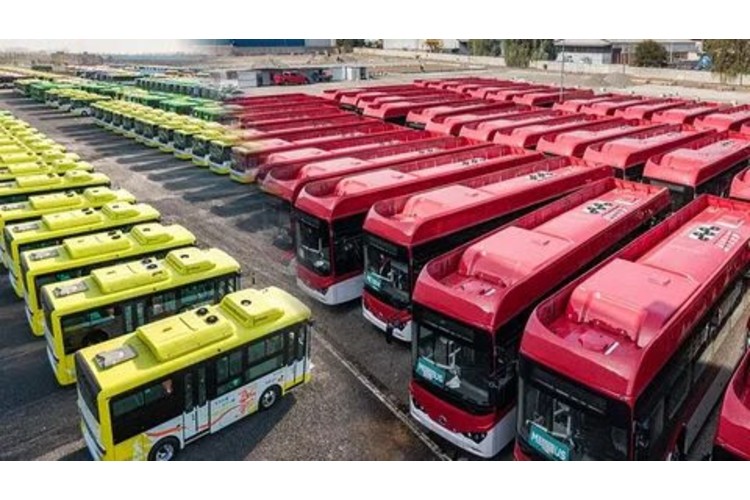
As the world accelerates its efforts to decarbonize transportation, electric buses are rapidly becoming the backbone of urban transit strategies. The traditional reliance on diesel-powered buses is now being challenged by electric alternatives that promise cleaner air, lower operational costs, and long-term sustainability. With increasing policy mandates, climate pledges, and technological progress, one pivotal question has gained traction globally—will electric buses replace diesel buses completely by 2030?
Why Are Electric Buses Replacing Diesel in Public Transit?
Diesel buses have long dominated public transit fleets across the world. However, their significant contribution to urban air pollution and greenhouse gas emissions has made them a growing liability. In contrast, electric buses offer a quiet, zero-emission solution that addresses both environmental and public health concerns. Cities around the globe are now prioritizing clean mobility solutions to combat smog, reduce their carbon footprint, and modernize outdated transit infrastructure. Electric buses, with their potential to significantly cut tailpipe emissions, are emerging as a practical and strategic choice for future-proofing urban mobility.
Electric Bus Market Growth: What’s Driving the Demand?
The Electric Bus Market is experiencing strong, sustained growth, fueled by a mix of favorable regulations, government incentives, and technological advancements. Over the last few years, the cost of batteries has decreased significantly, while charging times and vehicle ranges have improved. These advancements have made electric buses a far more viable option for city transit authorities. According to Fairfield Market Research, the market is expected to maintain a strong upward trajectory as more municipalities commit to phasing out diesel fleets. Additionally, the rising cost of diesel fuel and stricter emission norms are further tipping the scales in favor of electric solutions.
Government Policies Supporting Electric Bus Adoption
Globally, governments are playing a crucial role in accelerating the shift to electric buses. Numerous countries have rolled out subsidies, tax rebates, and grants to make electric vehicles more accessible to transit agencies. In the United States, significant federal funding has been allocated to support the electrification of public transportation systems. The European Union has also set ambitious targets for clean vehicle adoption, mandating that a substantial portion of newly procured buses must be electric or low-emission. China, the current leader in electric bus deployment, continues to offer both financial and infrastructural support to maintain its dominant position in the global electric bus ecosystem.
Top Benefits of Switching from Diesel to Electric Buses
The shift from diesel to electric buses offers a host of benefits that go beyond environmental advantages. Operational savings are significant, as electric buses incur lower fuel and maintenance costs over their lifecycle. Their quieter operation enhances the quality of life in densely populated areas, and their smoother rides improve passenger comfort. Electric buses also integrate more seamlessly with smart city initiatives, enabling real-time tracking, energy efficiency monitoring, and predictive maintenance. These factors collectively make electric buses a compelling long-term investment for transit authorities aiming to modernize their fleets while meeting climate targets.
Is the Infrastructure Ready for a Full Electric Bus Rollout by 2030?
The pace at which infrastructure is being developed will play a key role in determining whether electric buses can fully replace diesel counterparts by 2030. Many metropolitan areas are already building dedicated charging depots, deploying fast-charging stations, and upgrading their power grids to support fleet electrification. However, infrastructure readiness varies widely by region. While some countries have made substantial progress, others still face logistic and financial hurdles. Grid stability, charging capacity, and space for bus depots remain challenges, particularly in developing regions. Nevertheless, innovations like wireless charging, solar-assisted depots, and battery-swapping technologies are being explored to overcome these barriers and accelerate the transition.
Challenges Facing the Transition from Diesel to Electric Buses
Despite rapid advancements, the journey to a fully electrified bus fleet is not without obstacles. One of the primary challenges is the high upfront cost of electric buses, which remains significantly greater than that of traditional diesel models. While the total cost of ownership is lower in the long run, the initial capital investment can be a deterrent for smaller municipalities or regions with limited financial resources. Additionally, concerns around battery degradation, charging time, and range limitations still linger. Grid dependency, especially in areas where electricity is still generated from fossil fuels, also raises questions about the true environmental impact of switching to electric buses.
Key Markets Leading the Electric Bus Revolution
Some regions are clearly ahead of the curve when it comes to electric bus adoption. China, for example, accounts for the vast majority of the world’s electric buses and continues to set the global benchmark. European countries such as the Netherlands, Germany, and the Scandinavian nations are also investing heavily in electric bus fleets as part of their commitment to carbon neutrality. In the United States, progressive cities like Los Angeles, Seattle, and New York are adopting aggressive timelines to fully electrify their bus fleets. According to Fairfield Market Research, these regions are setting trends that will influence adoption in emerging markets over the next decade.
Will Developing Countries Catch Up in Electric Bus Adoption?
While developed economies are making swift progress, many developing nations are still in the early stages of electric bus adoption. Financial constraints, limited access to technology, and underdeveloped charging infrastructure are some of the barriers slowing progress. However, international support in the form of climate financing, technology transfer, and global partnerships is helping to bridge the gap. Moreover, as the cost of electric buses and batteries continues to decline, developing countries are likely to find electrification increasingly feasible. The potential to leapfrog traditional technologies and move straight into electric mobility could transform public transport systems in these regions over time.
Can Electric Buses Replace Diesel Buses Completely by 2030?
The possibility of completely phasing out diesel buses by 2030 is highly promising in many parts of the world, particularly in regions with strong policy frameworks and sufficient financial resources. Urban centers in Europe, North America, and parts of Asia are likely to achieve this milestone, driven by stringent environmental targets and growing public demand for clean transportation. However, a global transition may take longer, especially in areas with economic and infrastructural challenges. The Electric Bus Market is undoubtedly moving in the right direction, but achieving 100% diesel replacement globally by 2030 will require sustained investment, cross-sector collaboration, and continued technological innovation.
The momentum behind electric buses is undeniable. With growing public awareness, supportive government policies, and technological breakthroughs, the world is steadily steering away from diesel-powered transportation. While a full global replacement of diesel buses by 2030 may be ambitious, many regions are on track to meet this goal or come very close. The Electric Bus Market will continue to evolve, setting the foundation for a more sustainable and energy-efficient public transit future. As cities and countries prioritize cleaner air and climate action, electric buses are poised to play a central role in shaping the next era of urban mobility.