


The global construction industry is undergoing a major transformation, with sustainability, energy efficiency, and advanced materials becoming the cornerstones of future-ready infrastructure. Among these changes, the Building Insulation Market is experiencing a surge in innovation, reshaping how residential, commercial, and industrial projects address energy conservation and environmental impact. Driven by stricter building codes, rising energy costs, and a growing demand for green buildings, the sector is rapidly evolving with new technologies, eco-friendly materials, and smarter solutions. These developments not only enhance thermal performance but also contribute significantly to reducing carbon footprints across urban landscapes.
In this blog, we explore the top innovations redefining the future of building insulation, highlighting how companies, governments, and research organizations are working together to revolutionize this essential segment of modern construction.
Smart Insulation Materials Revolutionizing Thermal Efficiency
One of the most significant breakthroughs in the Building Insulation Market is the advent of smart insulation materials designed to adapt to varying climatic conditions. Advanced aerogels, phase change materials (PCMs), and vacuum insulation panels (VIPs) are paving the way for superior thermal performance without increasing material thickness. Aerogels, known for their lightweight and low thermal conductivity, are increasingly being adopted in high-performance projects such as skyscrapers and retrofitting solutions.
Meanwhile, PCMs offer dynamic thermal regulation by absorbing, storing, and releasing heat as temperatures fluctuate, ensuring stable indoor comfort with reduced HVAC energy use. VIPs, on the other hand, provide ten times the insulation capability of traditional materials while minimizing space usage—making them particularly relevant for urban housing and modular construction.
Sustainable and Bio-Based Insulation Materials
As global sustainability goals intensify, the demand for eco-friendly alternatives in the Building Insulation Market has soared. Manufacturers are turning to renewable and bio-based insulation materials derived from agricultural waste, recycled fibers, and plant-based composites. Hemp, sheep wool, cellulose, and cork are gaining traction due to their low embodied energy, biodegradability, and ability to deliver competitive thermal performance.
Bio-based insulation solutions not only reduce dependence on petroleum-based foams but also contribute to circular economy initiatives. With green building certifications such as LEED and BREEAM pushing for higher sustainability standards, these innovations are likely to dominate the future, especially in Europe and North America where eco-conscious construction is accelerating.
Nanotechnology for Next-Generation Insulation
Nanotechnology has entered the construction materials sector with remarkable potential, particularly in insulation. Nano-insulation materials (NIMs) are engineered at the molecular level to provide ultra-thin, lightweight, and highly efficient barriers against heat transfer. By incorporating nano-silica, nanoclays, and advanced composites, these solutions achieve exceptional thermal resistance while being more compact and versatile compared to conventional products.
The integration of nanotechnology is particularly beneficial in high-density urban projects where space optimization is critical. Additionally, nanocoatings are being developed to enhance moisture resistance and fire protection, making them a multi-functional innovation for the Building Insulation Market.
Integration of Digital Technologies and Smart Homes
With the rapid rise of smart homes and IoT-enabled construction, insulation systems are also becoming more intelligent. Smart insulation, equipped with embedded sensors, can monitor temperature, humidity, and energy flow in real time. This data-driven approach allows building managers and homeowners to optimize heating and cooling systems, detect inefficiencies, and improve energy performance.
Such innovations align with the growing trend of digital twins in construction, where virtual models simulate building performance under various conditions. By integrating smart insulation into these digital ecosystems, construction firms can ensure long-term efficiency, reduce maintenance costs, and comply with strict energy regulations.
Fire-Resistant and Safety-Enhanced Insulation
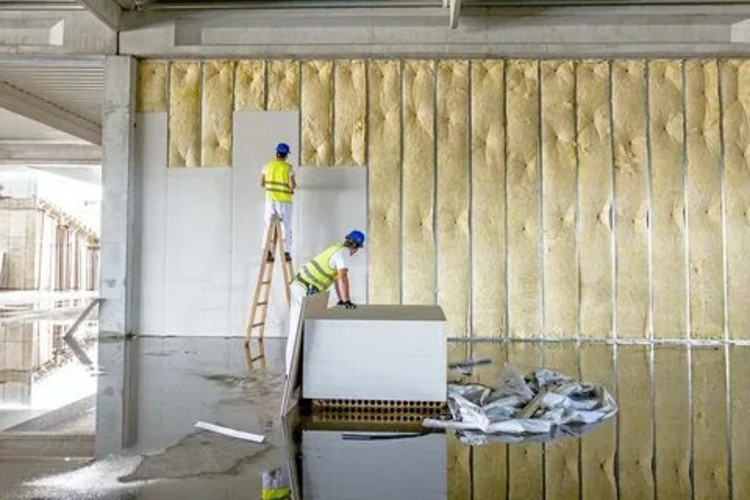
Beyond energy efficiency, modern insulation must also address critical safety challenges. Fire-resistant insulation technologies are gaining momentum, particularly with increasing awareness of fire hazards in high-rise buildings. Mineral wool, fiberglass composites, and treated foams with enhanced fire-retardant properties are being widely deployed to improve structural safety without compromising insulation performance.
New innovations are focusing on creating non-toxic, low-smoke, and halogen-free insulation products that provide effective protection while aligning with health and environmental standards. With stricter building codes worldwide, fire-safe insulation will remain a top priority in upcoming product developments.
Recycling and Circular Economy in Insulation
The construction industry is under mounting pressure to minimize waste and embrace recycling practices. The Building Insulation Market is responding with innovative solutions that repurpose waste materials into high-performing insulation products. For example, recycled PET bottles are being converted into fiber-based insulation, while construction waste such as gypsum and mineral byproducts is being integrated into new insulation boards.
This approach not only reduces landfill impact but also lowers raw material costs, creating a win-win scenario for both manufacturers and the environment. As governments introduce stricter waste management policies, recycled insulation materials are expected to gain a prominent role in future projects.
Regional Drivers and Emerging Markets
Regional dynamics are also shaping innovation in building insulation. Asia Pacific, led by China and India, is witnessing rapid urbanization and smart city development, fueling demand for advanced insulation materials that support energy-efficient housing and commercial spaces. Europe remains at the forefront of sustainable insulation adoption, driven by the EU’s stringent climate goals and regulations on energy-efficient buildings. Meanwhile, North America continues to show strong demand for retrofit insulation projects, particularly as energy efficiency retrofits are incentivized by government policies.
Emerging markets in Latin America and the Middle East are also beginning to explore advanced insulation solutions as construction activity rises, presenting new opportunities for manufacturers to expand their global footprint.
Role of Policy, Regulations, and Certifications
The future of the Building Insulation Market is tightly linked to evolving regulatory frameworks. Green building codes, net-zero energy targets, and climate action policies are encouraging innovation and investment in sustainable insulation technologies. Certifications such as Energy Star, LEED, and BREEAM continue to push stakeholders to adopt eco-friendly and high-performance solutions, ensuring compliance with international standards.
Fairfield Market Research highlights that regulatory enforcement will remain one of the most influential factors driving the adoption of advanced insulation materials in the coming years. Companies that align with these requirements are likely to gain a competitive edge in global markets.
Toward Smarter, Greener, and Safer Insulation
The transformation of the construction industry is inevitable, and insulation plays a central role in achieving sustainable and energy-efficient goals. Innovations ranging from nanotechnology and bio-based materials to smart digital solutions and fire-safe insulation are setting the stage for the next generation of building practices. As governments, businesses, and consumers prioritize energy savings and environmental responsibility, the Building Insulation Market will continue to expand and diversify.
According to Fairfield Market Research, the sector’s growth trajectory is set to accelerate, offering opportunities for manufacturers, developers, and policymakers to collaborate on building resilient and climate-friendly infrastructure. By embracing these innovations, the future of insulation will not only reduce energy consumption but also enhance the overall safety, comfort, and sustainability of modern living spaces.