


According to latest research by Growth Market Reports, the global smart grid synchrophasor market size reached USD 1.47 billion in 2024, with a robust compound annual growth rate (CAGR) of 17.2% projected through 2033. By the end of the forecast period, the market is anticipated to attain a value of approximately USD 5.11 billion. The primary growth driver for the smart grid synchrophasor market is the escalating demand for real-time monitoring and control of power systems, as utilities worldwide strive to enhance grid reliability, operational efficiency, and integration of renewable energy sources.
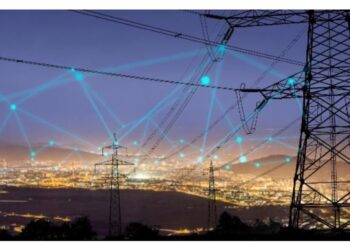
The Smart Grid Synchrophasor Market is rapidly emerging as a critical component of modern power infrastructure. With increasing demand for real-time monitoring, improved grid stability, and efficient energy management, synchrophasor technology is gaining widespread adoption. These devices, also known as phasor measurement units (PMUs), provide precise measurements of electrical waves, enabling utilities to make faster and more informed decisions.
Key Market Drivers
One of the primary drivers of the market is the rising need for grid reliability and stability. Power outages and fluctuations can have severe economic and social impacts, prompting utilities to invest in technologies that enhance visibility and control. Synchrophasors provide real-time data that helps detect faults, monitor system health, and prevent blackouts.
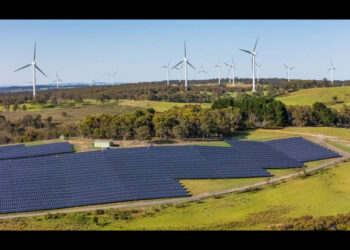
Additionally, the integration of renewable energy sources such as wind and solar is accelerating demand. These energy sources are inherently variable, requiring advanced monitoring solutions to maintain grid balance. Synchrophasors play a crucial role in managing these fluctuations by offering accurate and time-synchronized data across the network.
Government initiatives and investments in smart grid infrastructure are also contributing to market growth. Many countries are prioritizing grid modernization to improve energy efficiency and reduce carbon emissions, further boosting the adoption of synchrophasor systems.
Market Challenges
Despite its promising growth, the market faces certain challenges. High initial costs associated with the deployment of synchrophasor systems can deter smaller utilities from adopting the technology. Installation, integration, and maintenance expenses add to the overall investment burden.
Another challenge is the complexity of data management. Synchrophasors generate vast amounts of data that require advanced analytics and storage capabilities. Utilities must invest in robust IT infrastructure and skilled personnel to effectively utilize this data, which can be a barrier for some organizations.
Technological Advancements
Technological innovation is playing a pivotal role in shaping the Smart Grid Synchrophasor Market. Advancements in communication networks, including the adoption of high-speed data transmission technologies, are enhancing the performance and reliability of synchrophasor systems. Improved accuracy, faster sampling rates, and enhanced interoperability are making these devices more efficient and scalable.
Moreover, the integration of artificial intelligence and machine learning is transforming data analysis capabilities. These technologies enable predictive maintenance, anomaly detection, and automated decision-making, significantly improving grid management and operational efficiency.
Competitive Landscape
- ABB
- General Electric
- Schneider Electric
- Siemens AG
- Toshiba Corporation
- Eaton Corporation
- Schweitzer Engineering Laboratories (SEL)
- Arcteq Relays
- NR Electric Co., Ltd.
- Alstom Grid
Future Outlook
The future of the Smart Grid Synchrophasor Market looks highly promising. As the global energy landscape continues to evolve, the need for real-time monitoring and intelligent grid management will become increasingly important. Continued advancements in technology, coupled with supportive government policies, are expected to drive widespread adoption.
In the coming years, synchrophasor systems will play a vital role in enabling a more resilient, efficient, and sustainable power grid. Their ability to provide accurate, real-time insights will be essential in addressing the challenges of modern energy systems and ensuring reliable electricity supply worldwide.
Source: https://growthmarketreports.com/report/smart-grid-synchrophasor-market