


The cold chain market has long been a critical backbone of industries that rely on the safe transportation and storage of temperature-sensitive products. From pharmaceuticals and medical supplies to perishable food items and chemicals, the cold chain ensures that goods maintain their quality, efficacy, and safety throughout the supply chain. However, with the rising complexity of global logistics, growing regulatory standards, and increasing consumer demand for fresh and safe products, the cold chain industry has been under pressure to evolve. Technology, in this context, is emerging as a true game changer, transforming how businesses operate, monitor, and optimize their cold chain processes.
The Growing Importance of the Cold Chain Market
Globalization and the increasing demand for temperature-sensitive products have made cold chain logistics more critical than ever. According to Persistence Market Research, the cold chain market is projected to witness substantial growth over the next decade, driven primarily by rising pharmaceutical shipments, e-commerce food deliveries, and stricter regulatory requirements. The expansion of the pharmaceutical industry, especially the biologics and vaccine segments, has particularly emphasized the need for efficient, reliable, and technologically advanced cold chain solutions.
In the past, cold chain logistics was largely dependent on traditional refrigeration systems, manual monitoring, and basic transportation networks. While these systems met the minimum requirements, they were prone to errors, delays, and inefficiencies. Any disruption in the chain could lead to spoilage, financial losses, and even public health risks. This is where technology comes into play, offering solutions that not only enhance efficiency but also introduce resilience, traceability, and transparency.
Technology Revolutionizing Cold Chain Logistics
1. IoT and Smart Sensors
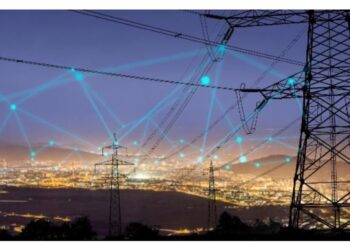
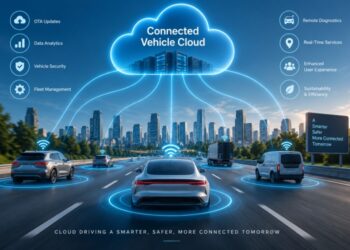
One of the most significant technological interventions in the cold chain is the Internet of Things (IoT). Smart sensors and IoT-enabled devices allow continuous monitoring of temperature, humidity, and other environmental parameters throughout the transportation and storage process. These devices provide real-time alerts to managers when conditions deviate from the prescribed range, allowing immediate corrective action.
For instance, a shipment of vaccines traveling across multiple cities can now be tracked in real time, ensuring that it remains within the required temperature range. This reduces wastage and ensures product efficacy. Moreover, the data collected by these devices can be analyzed to identify patterns, optimize routes, and predict potential risks, making the cold chain more proactive rather than reactive.
2. Advanced Analytics and Artificial Intelligence
Artificial Intelligence (AI) and advanced analytics are also transforming cold chain management. AI algorithms can analyze vast amounts of data collected from sensors, GPS trackers, and inventory systems to forecast demand, optimize delivery routes, and predict potential equipment failures. Predictive maintenance, powered by AI, ensures that refrigeration units and vehicles are serviced before a breakdown occurs, minimizing downtime and reducing financial losses.
In addition, machine learning models can help companies better understand consumer demand, manage inventory, and adjust logistics operations dynamically. For example, during peak seasons, AI can recommend adjustments to fleet sizes or storage allocation, reducing bottlenecks and improving service quality.
3. Blockchain for Transparency
Traceability and transparency are critical in the cold chain, especially for industries like pharmaceuticals and food, where product safety is paramount. Blockchain technology offers a secure and tamper-proof way to track the movement of goods from the manufacturer to the end consumer. Each step of the supply chain is recorded on an immutable ledger, ensuring that all stakeholders have access to accurate information about the product’s journey.
This is particularly important in combating counterfeit products, ensuring regulatory compliance, and improving consumer trust. By integrating blockchain with IoT devices, companies can create a fully transparent and auditable cold chain ecosystem.
4. Automation and Robotics
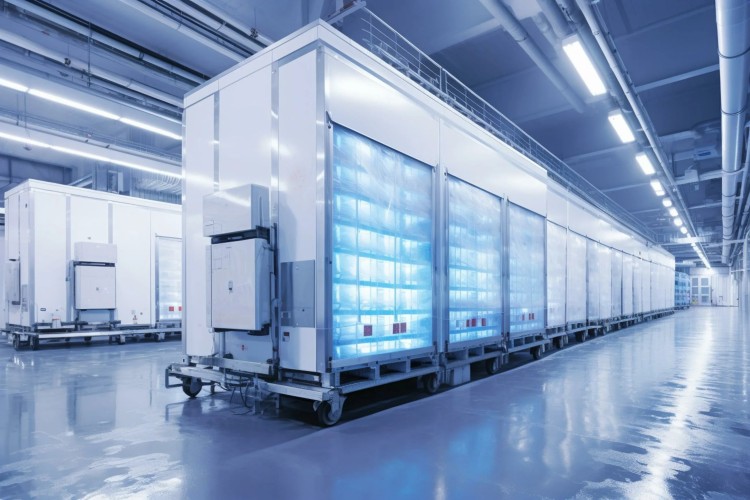
Automation is no longer a futuristic concept in cold chain operations. Automated storage and retrieval systems (AS/RS), robotics for loading and unloading, and autonomous vehicles are streamlining operations, reducing human error, and improving efficiency. Automated systems can maintain precise temperatures, handle delicate products with care, and ensure faster turnaround times.
Robotic process automation (RPA) is also being applied to administrative and data-heavy processes in cold chain management, such as documentation, compliance reporting, and inventory reconciliation. By automating these repetitive tasks, companies can free up human resources to focus on higher-value activities like strategic planning and customer service.
Sustainability and Energy Efficiency
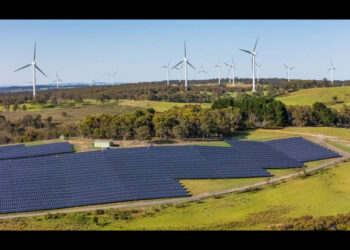
Technology is also enabling cold chain operators to become more sustainable and energy-efficient. Smart energy management systems optimize refrigeration usage, reduce electricity consumption, and minimize greenhouse gas emissions. Companies are investing in energy-efficient cold storage solutions, solar-powered refrigeration units, and sustainable packaging to meet both regulatory requirements and consumer expectations.
This focus on sustainability is not just environmentally responsible but also economically beneficial. Lower energy consumption reduces operational costs, while green certifications enhance brand reputation and market competitiveness.
Challenges in Technology Adoption
While the benefits of technology in the cold chain are clear, there are still challenges to widespread adoption. High initial investment costs, lack of technical expertise, and integration complexities can hinder smaller players from embracing advanced solutions. Additionally, cybersecurity concerns associated with IoT and blockchain systems require robust measures to protect sensitive data.
Despite these challenges, the long-term benefits of technology adoption—such as improved efficiency, reduced wastage, compliance, and enhanced customer satisfaction—make it a necessary investment for companies aiming to remain competitive in the evolving cold chain landscape.
The Future of Cold Chain Logistics
The future of the cold chain market is inherently tied to technological innovation. Emerging technologies like edge computing, digital twins, augmented reality for warehouse operations, and AI-powered autonomous delivery vehicles are expected to further revolutionize the industry. Cold chains will become more predictive, agile, and resilient, capable of handling complex supply networks and diverse product categories with precision.
Moreover, the increasing emphasis on data-driven decision-making and regulatory compliance will push companies to adopt integrated, technology-led approaches to cold chain management. As consumer expectations for fresh and safe products grow, companies that leverage technology effectively will have a competitive advantage in both efficiency and reliability.
Looking Ahead
Technology is undeniably the game changer for the cold chain market. From real-time monitoring and predictive analytics to automation and blockchain, technological innovations are transforming every aspect of the supply chain. These advancements not only improve efficiency and reduce operational costs but also ensure product integrity, regulatory compliance, and customer satisfaction.
With insights from Persistence Market Research highlighting the expanding market size and growing adoption of advanced solutions, it is clear that the future of the cold chain is inseparable from technology. Companies that fail to embrace these innovations risk falling behind, while those that invest strategically will thrive in a market driven by efficiency, reliability, and sustainability.