


Nitrogen blanketing has long been a standard method for preserving idle industrial tanks, process vessels, and piping runs. However, setting up pressurized gas lines is expensive, requires constant monitoring, and creates a serious suffocation risk for workers entering the area. Cortec® Corporation developed environmentally friendly VpCI®-337 inhibitor as a direct, ready-to-use, complete replacement for nitrogen blankets and dry air systems. Instead of maintaining inert gas pressures, maintenance crews mist the waterborne fluid directly into enclosed void spaces. The vapor phase inhibitors diffuse through the air inside the enclosure, forming a protective molecular barrier on all exposed metal surfaces, including internal crevices, tube banks, and pipe bends that liquid coatings cannot reach.
Beyond improving safety and cutting operational costs, VpCI®-337 delivers a strong environmental advantage over traditional preservation methods. Formulated as a waterborne, low-VOC liquid, it eliminates reliance on heavy, solvent-based rust preventatives that release harmful volatile organic compounds into the atmosphere. The fluid is biodegradable, ensuring that facilities can manage chemical inventories responsibly without introducing persistent environmental contaminants. Because it leaves only a thin, self-replenishing protective layer rather than a thick oily residue, plants do not need to perform chemical stripping or solvent degreasing prior to equipment restart. This eliminates the generation of hazardous wash-water runoff, saving labor while supporting strict plant environmental standards.
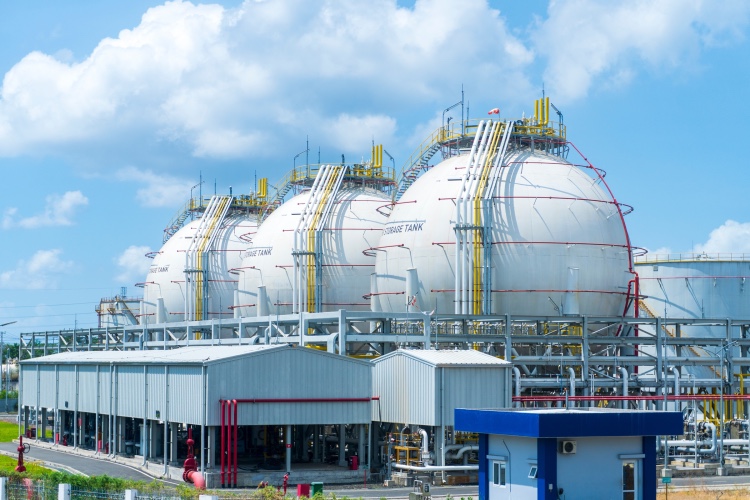
Field applications across the global energy sector highlight the practical reliability of this approach. At a major Liquefied Natural Gas (LNG) project in Malaysia, an oil and gas operator sought a safer alternative to nitrogen blanketing for internal pipe preservation. By fogging VpCI®-337 into pipe sections and inlet header boxes, the facility achieved 24 months of complete corrosion protection without the high maintenance costs or safety hazards of pressurized gas. A similar success occurred at the South Humber Bank Power Station in the UK during a cold-weather shutdown. Applicators fogged VpCI®-337 inside two Heat Recovery Steam Generators (HRSGs) to protect internal tube banks. Plant engineers noted that the technique successfully prevented internal corrosion and completely eliminated corrosion dust upon unit start-up, simplifying the commissioning process while maintaining safe working conditions. This provided a complete replacement for nitrogen blanketing, which is expensive to install and maintain and poses health hazards to personnel entering equipment interiors.
Solar-Powered EU Manufacturing Hub Supports Global Distribution
To ensure supply security across European and international markets, VpCI®-337 is produced locally at CorteCros®, Cortec’s European manufacturing and logistics hub. Located in the harbor near Split, Croatia, the seaside production facility and QC laboratory serve as a primary supply point for Europe, the Middle East, and Southeast Asia. CorteCros® provides technical, logistical, and production support across the region, manufacturing and supplying advanced, REACH-compliant, and sustainable corrosion solutions across three major continents. Following renewable energy upgrades, the Split facility operates on 100% solar power, reducing the environmental footprint of product manufacturing and distribution.
The treatment works across multiple metals, including steel, aluminum, cast iron, copper, and brass making it ideal for power generation assets, LNG piping runs, export shipping packaging, and double-wall void spaces. For cold climates, Cortec® also produces VpCI®-337 Winterized, which handles application and storage down to -40°C (-40°F).
By replacing nitrogen blanketing with waterborne VpCI® technology, industrial facilities can significantly reduce operational risks without compromising on corrosion protection. Thanks to its application flexibility and global availability, VpCI®-337 offers a practical, safe and cost-effective alternative to traditional equipment preservation methods.