


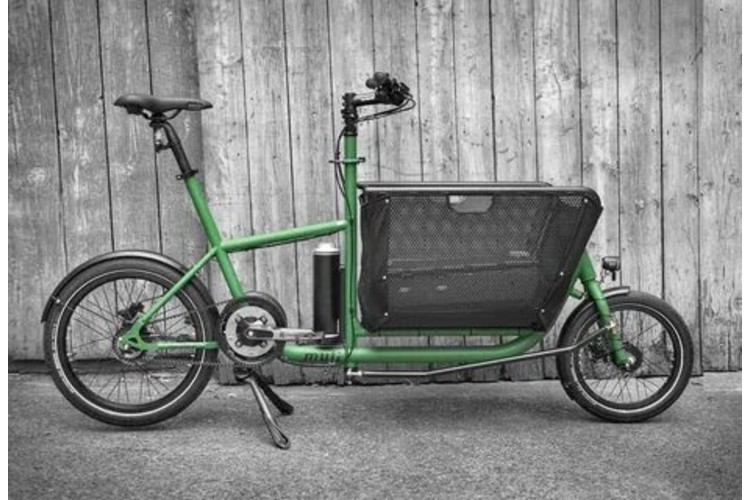
As urban centers grapple with congestion, carbon emissions, and the pressure for sustainable last-mile delivery solutions, electric cargo bikes have emerged as a compelling alternative. Touted as eco-friendly, cost-efficient, and agile, these electric-powered utility bikes are increasingly integrated into logistics fleets and small businesses across the globe. However, despite their promising potential and growing popularity, the widespread adoption of electric cargo bikes is not without obstacles. This blog explores the core challenges facing the Electric Cargo Bike Market today, highlighting critical roadblocks to growth while offering insights into how stakeholders can navigate them.
Are Infrastructure Limitations Slowing Down Electric Cargo Bike Deployment?
One of the biggest impediments to electric cargo bike adoption is the lack of appropriate infrastructure in many urban environments. Unlike traditional bicycles, electric cargo bikes are heavier, wider, and often require specialized parking areas, charging stations, and loading/unloading zones. Most cities are still adapting their infrastructure to accommodate standard bicycles and electric scooters, let alone high-capacity cargo e-bikes.
Narrow bike lanes, uneven roads, and insufficient docking spaces make it difficult for delivery personnel and fleet operators to efficiently use these vehicles. In dense metropolitan areas, competition for sidewalk space and a lack of designated pathways can further hinder operations. Cities like Amsterdam and Copenhagen have made significant progress in this area, but many global cities lag behind.
How Does the High Initial Cost Affect Market Penetration?
While electric cargo bikes promise lower long-term operational costs compared to traditional delivery vehicles, their upfront price remains a barrier, especially for small businesses and independent contractors. A standard electric cargo bike can range anywhere from $3,000 to $10,000 depending on its specifications and payload capacity.
This investment, although often offset by lower fuel and maintenance expenses over time, can be daunting. Businesses with limited capital may opt for cheaper alternatives or stick to their existing fleet. Moreover, in developing countries where small retailers are the primary drivers of last-mile logistics, the cost becomes a prohibitive factor in mass adoption.
To combat this, some governments and municipalities have introduced subsidies or leasing programs to make electric cargo bikes more accessible. Still, such initiatives are not yet widespread or standardized across regions.
Is Consumer Awareness and Acceptance Lagging?
Despite growing environmental consciousness, many consumers and business owners are still unfamiliar with the capabilities and advantages of electric cargo bikes. Traditional delivery methods, such as motorcycles, vans, or foot delivery, have been the norm for decades, and shifting these long-established practices requires more than just innovative technology.
Fairfield Market Research emphasizes the role of education and awareness campaigns in promoting the Electric Cargo Bike Market. Demonstrations, pilot programs, and partnerships between municipalities and delivery service providers can help increase visibility and trust in this emerging mode of transport.
Additionally, concerns regarding cargo security, speed limitations, and battery reliability often deter first-time users from investing in or relying on electric cargo bikes. The industry must work collectively to address these misconceptions through transparent communication and real-world performance data.
What Role Does Regulation and Policy Play?
The regulatory landscape for electric cargo bikes is fragmented and often inconsistent across countries and cities. In some areas, these bikes are treated as standard bicycles and allowed on all bike lanes. In others, they face restrictions due to their size or motor-assisted capabilities.
This lack of clarity can be a deterrent for businesses operating in multiple jurisdictions. Questions around insurance requirements, licensing, helmet laws, and speed limits add to the confusion and may discourage potential users from adopting the technology.
To overcome this, unified frameworks and clearly defined regulations that support and encourage the use of electric cargo bikes are necessary. Public policy must evolve in tandem with mobility trends to ensure legal support for the Electric Cargo Bike Market’s growth.
Are Battery Life and Range Still a Concern?
Electric cargo bikes are often tasked with transporting heavy loads over long urban routes. This places significant demand on battery performance. While battery technology has improved in recent years, limitations in range, long charging times, and battery lifespan remain challenges.
A typical electric cargo bike offers a range of 25 to 60 miles on a full charge, depending on the terrain, payload, and riding style. For courier services operating across multiple city districts or in hilly regions, this may be insufficient. Limited battery infrastructure, such as fast-charging stations or swappable battery networks, further exacerbates the issue.
Fleet managers must also consider the degradation of battery performance over time and the costs associated with replacement. These concerns influence procurement decisions and operational strategies, affecting adoption rates across the market.
Are Cargo Capacity and Customization Meeting Business Needs?
While many electric cargo bikes are built for utility, not all models are suited to every business requirement. Cargo size, weight capacity, and design features vary significantly, and the one-size-fits-all approach doesn’t always serve industry-specific needs. For instance, a bakery may require a completely different configuration than a pharmaceutical delivery firm.
Customization options are currently limited and often come at a premium, making it harder for businesses to find a model that fits their operations without compromise. As the Electric Cargo Bike Market matures, manufacturers will need to diversify offerings and work closely with B2B customers to develop tailored solutions that meet niche logistics demands.
Are Weather and Terrain Creating Operational Challenges?
Weather resistance is a crucial but often overlooked challenge. Electric cargo bikes perform well in dry, temperate climates, but their reliability can decrease in extreme weather conditions. Rain, snow, and high winds not only affect rider comfort and safety but can also compromise battery efficiency and mechanical performance.
Moreover, hilly or poorly paved urban terrain can impact range, maneuverability, and overall user experience. These limitations reduce the practicality of electric cargo bikes in certain geographic regions and must be addressed through design innovation and better rider training programs.
What’s the Road Ahead for the Electric Cargo Bike Market?
Despite these challenges, the electric cargo bike sector continues to gain traction. Innovations in lightweight materials, battery efficiency, and smart fleet management systems are enhancing operational reliability. Cities are increasingly integrating micromobility into their sustainable transport strategies, and pilot programs are expanding rapidly.
Fairfield Market Research notes that strategic collaboration between governments, manufacturers, logistics providers, and urban planners will be essential in overcoming the adoption barriers currently facing the Electric Cargo Bike Market. Investments in infrastructure, policy reform, and consumer education can collectively accelerate adoption and drive long-term growth.
As urban sustainability becomes a global priority, electric cargo bikes are poised to play a transformative role in the way goods move through our cities. Addressing these key challenges head-on will determine just how quickly and successfully that transformation occurs.