


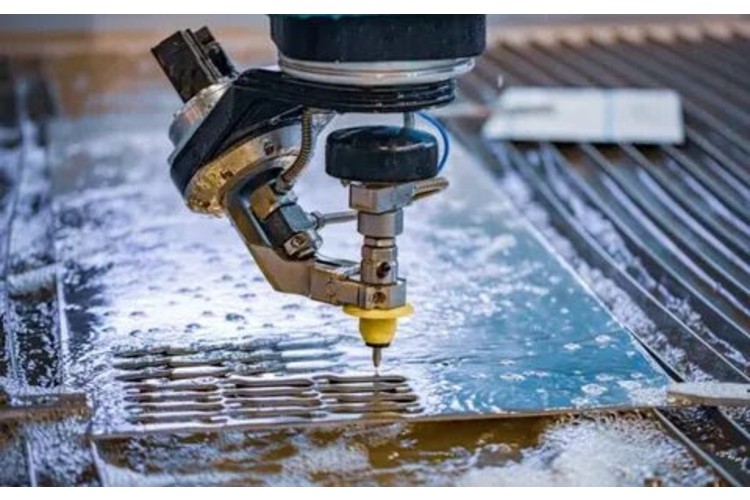
The Waterjet Cutting Machines Market has gained remarkable traction over the past decade, primarily due to its ability to deliver precision cutting without heat distortion, support sustainable manufacturing, and accommodate a wide range of materials. Industries such as aerospace, automotive, construction, and electronics increasingly rely on these machines for complex cutting operations. However, despite the positive outlook and robust forecasted growth, the market faces several headwinds that could restrain its expansion. Understanding these challenges is essential for stakeholders, manufacturers, and investors who aim to navigate a rapidly evolving competitive landscape.
High Initial Investment Costs
One of the foremost challenges hampering the growth of the Waterjet Cutting Machines Market is the high capital investment required for procurement. Waterjet cutting systems are more expensive compared to conventional cutting technologies like plasma or flame cutting. The upfront cost includes not only the machinery itself but also the specialized nozzles, high-pressure pumps, and auxiliary equipment.
For small and medium enterprises (SMEs), the cost burden is particularly significant. Many businesses in emerging markets shy away from adopting advanced waterjet systems due to limited access to financing or credit. While leasing models and second-hand markets are slowly emerging, the initial cost barrier continues to limit widespread adoption, especially in price-sensitive regions.
Operating Costs and Maintenance Issues
Beyond capital expenditure, operating a waterjet cutting machine involves substantial ongoing expenses. These machines require a consistent supply of abrasive materials like garnet, which can contribute significantly to the operating budget. In addition, maintenance of pumps and cutting heads, which endure high wear and tear due to extreme pressure, adds to the recurring cost.
Companies also face challenges with downtime when machines undergo maintenance or part replacements. This not only increases operational expenses but also impacts productivity. For businesses competing on thin margins, high operating costs remain a deterrent, slowing adoption across industries that would otherwise benefit from waterjet technology.
Limited Awareness in Developing Economies
In developed markets such as North America and Europe, awareness about the advantages of waterjet cutting—such as precision, eco-friendliness, and versatility—has driven adoption. However, in developing regions, lack of awareness and insufficient technical expertise hinder growth.
Manufacturers in countries across Southeast Asia, Africa, and parts of Latin America often continue to rely on traditional cutting methods. These alternatives, although less precise, are perceived as cost-effective and sufficient for their needs. Bridging this knowledge gap through training programs, demonstrations, and industry partnerships is crucial for expanding the global footprint of the Waterjet Cutting Machines Market.
Competition From Alternative Cutting Technologies
The market also faces stiff competition from alternative cutting methods such as laser, plasma, and flame cutting. Each of these technologies has its own advantages, particularly in terms of speed, cost, and energy efficiency. For example, laser cutting machines have become increasingly affordable while offering high-speed processing and low kerf waste. Plasma cutting on the other hand, remains a preferred choice for thicker materials due to its relatively low cost and ease of use.
While waterjet cutting offers unique benefits like cold cutting (no heat-affected zones) and the ability to handle a wide variety of materials, the perception of cost inefficiency compared to other methods continues to challenge its widespread adoption.
Technical Complexity and Skill Shortages
Operating waterjet cutting systems requires a high level of technical expertise. From handling high-pressure pumps to maintaining nozzle precision and managing cutting software, operators must undergo specialized training. Unfortunately, many industries struggle with a shortage of skilled labor capable of operating and maintaining advanced waterjet equipment.
This shortage is particularly pronounced in regions where vocational training and technical education lag behind industrial needs. As industries digitize and integrate Industry 4.0 technologies, the skills gap may widen further, limiting the growth potential of the market. Companies must invest in workforce training and upskilling initiatives to overcome this barrier.
Environmental Concerns Around Abrasive Disposal
Although waterjet cutting is often marketed as an environmentally friendly process due to the absence of harmful fumes and reduced energy consumption, it is not entirely free from ecological concerns. The use of abrasives like garnet generates large volumes of waste slurry that must be disposed of safely.
In many regions, there are no streamlined systems for recycling or reusing spent abrasives, leading to environmental disposal challenges. Stricter regulations on waste management could raise compliance costs for manufacturers and slow down adoption, especially among smaller enterprises struggling with sustainability mandates.
Supply Chain Disruptions and Geopolitical Risks
Global supply chain disruptions, particularly in the aftermath of the COVID-19 pandemic, continue to affect the availability of critical machine components such as high-pressure pumps, control systems, and abrasive materials. Geopolitical tensions, tariffs, and trade restrictions further complicate supply networks, leading to higher costs and delayed deliveries.
For example, reliance on specific regions for garnet supply exposes manufacturers to price volatility and availability risks. Without diversified sourcing strategies, the Waterjet Cutting Machines Market may remain vulnerable to supply chain bottlenecks that restrain consistent growth.
Slow Adoption of Automation in SMEs
Automation is increasingly integrated into waterjet cutting systems, offering enhanced precision, reduced labor costs, and improved productivity. However, adoption of automated waterjet solutions remains slow among SMEs due to financial and technical barriers. Many small businesses still rely on manual or semi-automated systems, which limit efficiency and output.
This slow adoption restricts the market’s overall growth potential, especially in regions where SMEs dominate the manufacturing landscape. Encouraging automation adoption through subsidies, government incentives, and vendor financing could help overcome this obstacle.
Regulatory and Safety Challenges
Waterjet cutting machines operate at extremely high pressures, often exceeding 60,000 psi. This raises safety concerns regarding equipment handling, operator training, and workplace compliance. Companies must adhere to strict safety standards to minimize the risks of accidents.
In regions with evolving regulatory frameworks, meeting compliance standards can increase costs for manufacturers and end-users. Additionally, differences in safety regulations across countries can complicate international market expansion strategies, restraining growth in global adoption.
Addressing Challenges for Sustainable Growth
Despite these challenges, industry players are actively working on solutions to overcome barriers to growth. Innovations in nozzle design, pump efficiency, and abrasive recycling are expected to lower operating costs and environmental impact. Partnerships between global manufacturers and local distributors can enhance awareness and penetration in emerging markets.
Moreover, training initiatives aimed at addressing the skills gap will be crucial. Organizations like Fairifled Market Research highlight the importance of aligning technology advancements with workforce readiness and policy support to ensure steady growth in the coming years. With a collaborative approach, the industry can mitigate these restraints and unlock the full potential of the waterjet cutting segment.
The Waterjet Cutting Machines Market holds immense promise as industries shift toward precision, sustainability, and advanced manufacturing practices. However, challenges such as high capital costs, operational expenses, competition from alternative technologies, environmental concerns, and skill shortages pose real hurdles to growth. By addressing these barriers through innovation, training, and sustainable practices, the market can continue its upward trajectory and maintain its relevance in an increasingly competitive manufacturing ecosystem.