



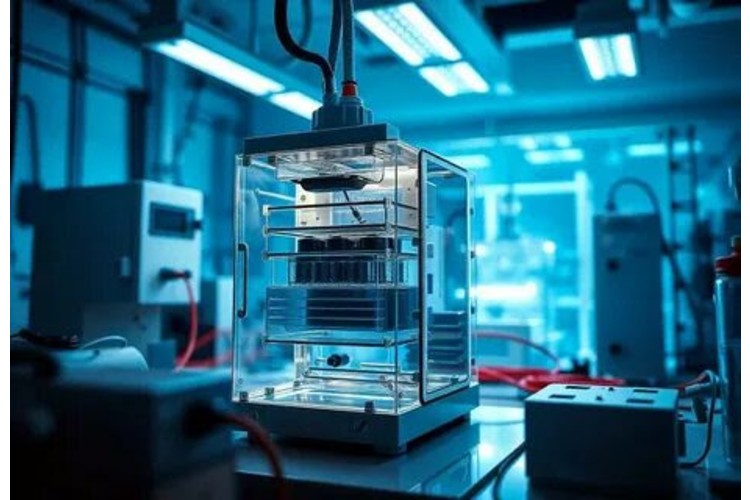
The rapid evolution of portable electronics and Internet of Things (IoT) devices has created an urgent demand for compact, long-lasting, and efficient energy solutions. Traditional batteries, while widely used, often struggle to keep pace with the growing performance expectations of modern devices. This is where micro fuel cells are emerging as a transformative technology. By offering higher energy density, longer operational life, and cleaner energy output, micro fuel cells are steadily reshaping how portable devices are powered. As innovation accelerates, the Micro Fuel Cell Market is gaining significant traction, driven by the need for reliable and sustainable power sources in increasingly miniaturized systems.
The Growing Energy Challenge in Portable Electronics
Portable electronics such as smartphones, wearables, medical devices, and remote sensors have become integral to daily life. These devices are expected to be lightweight, highly efficient, and capable of operating for extended periods without frequent charging. However, conventional lithium-ion batteries face limitations in terms of energy density and degradation over time. As devices become more sophisticated, incorporating advanced sensors, connectivity modules, and processing capabilities, their energy consumption rises significantly.
Micro fuel cells address this challenge by generating electricity through electrochemical reactions, typically using hydrogen or methanol as fuel. Unlike batteries that store energy, fuel cells continuously produce power as long as fuel is supplied. This fundamental difference allows micro fuel cells to deliver consistent performance over longer durations, making them highly suitable for next-generation portable electronics.
What Makes Micro Fuel Cells a Game-Changing Technology
Micro fuel cells stand out due to their compact size, high efficiency, and environmental benefits. Their ability to provide a stable power output without significant performance degradation gives them a clear advantage over traditional batteries. Additionally, they can be refueled quickly, eliminating the downtime associated with recharging.
Another key advantage lies in their energy density. Micro fuel cells can store more energy in a smaller footprint, enabling devices to operate longer without increasing size or weight. This is particularly valuable for IoT applications, where devices are often deployed in remote or hard-to-access locations. The growing adoption of such advantages is a major factor contributing to the expansion of the Micro Fuel Cell Market across various industries.
Transforming IoT Devices with Reliable Power Solutions
The IoT ecosystem relies heavily on a vast network of connected devices, including sensors, trackers, and smart systems. Many of these devices are deployed in environments where frequent maintenance or battery replacement is impractical. Micro fuel cells provide a reliable alternative by offering long-lasting power with minimal intervention.
For instance, in industrial IoT applications, sensors used for monitoring equipment performance or environmental conditions require uninterrupted power. Micro fuel cells can sustain these devices for extended periods, ensuring continuous data transmission and reducing maintenance costs. Similarly, in smart agriculture, IoT devices powered by micro fuel cells can operate autonomously in fields, enabling real-time monitoring of soil conditions, weather patterns, and crop health.
Enhancing Wearable and Medical Technologies
Wearable devices and medical equipment represent another critical area where micro fuel cells are making a significant impact. Devices such as fitness trackers, smartwatches, and health monitoring systems demand lightweight and long-lasting power sources. Micro fuel cells meet these requirements by delivering consistent energy without adding bulk.
In medical applications, reliability is paramount. Devices such as portable oxygen concentrators, glucose monitors, and implantable sensors require dependable power to function effectively. Micro fuel cells provide a stable and efficient energy source, reducing the risk of device failure. Their quiet operation and low heat generation further enhance their suitability for sensitive medical environments.
Sustainability and Environmental Benefits Driving Adoption
As sustainability becomes a global priority, the environmental advantages of micro fuel cells are gaining attention. Unlike conventional batteries, which can contribute to electronic waste and environmental pollution, micro fuel cells produce minimal emissions. When hydrogen is used as fuel, the only byproduct is water, making the technology highly eco-friendly.
This aligns with the broader shift toward green energy solutions across industries. According to insights often highlighted by Persistence Market Research, the increasing focus on reducing carbon footprints is expected to play a crucial role in accelerating the adoption of micro fuel cells. Their ability to provide clean and efficient energy makes them a compelling choice for environmentally conscious applications.
Innovations Accelerating Market Growth
Continuous advancements in materials science and engineering are enhancing the performance and affordability of micro fuel cells. Researchers are developing more efficient catalysts, improving membrane technologies, and exploring alternative fuels to optimize performance. These innovations are making micro fuel cells more accessible for commercial applications.
Additionally, integration with advanced electronics and smart systems is opening new possibilities. Hybrid solutions that combine micro fuel cells with batteries are being explored to deliver both immediate and sustained power. Such developments are expected to further strengthen the position of the Micro Fuel Cell Market in the coming years.
Overcoming Challenges and Barriers
Despite their numerous advantages, micro fuel cells face certain challenges that need to be addressed for widespread adoption. The cost of production remains relatively high compared to traditional batteries, primarily due to the use of specialized materials and manufacturing processes. However, ongoing research and economies of scale are expected to reduce costs over time.
Another challenge is the development of efficient fuel storage and delivery systems. Ensuring safe and convenient handling of fuels such as hydrogen or methanol is critical for consumer acceptance. Advances in fuel cartridge design and safety mechanisms are helping to overcome these barriers, paving the way for broader adoption.
Future Outlook for Micro Fuel Cells in Portable Technology
The future of micro fuel cells looks promising, with expanding applications across multiple sectors. As the demand for portable and connected devices continues to grow, the need for advanced energy solutions will become even more critical. Micro fuel cells are well-positioned to meet this demand, offering a combination of efficiency, reliability, and sustainability.
Industry analysis, including perspectives from Persistence Market Research, suggests that technological advancements and increasing investment in clean energy will drive significant growth in this space. From consumer electronics to industrial IoT and healthcare, micro fuel cells are set to play a pivotal role in shaping the future of portable power.
Redefining Portable Power for a Connected World
Micro fuel cells are not just an incremental improvement over traditional batteries; they represent a fundamental shift in how energy is generated and utilized in portable devices. By addressing key challenges related to energy density, longevity, and environmental impact, they are enabling a new generation of innovative technologies.
As the Micro Fuel Cell Market continues to evolve, its influence on portable electronics and IoT devices will only grow stronger. With ongoing advancements and increasing adoption, micro fuel cells are poised to redefine the standards of portable power, supporting a more connected, efficient, and sustainable world.