


1. Solid-State Batteries: Redefining Energy Density and Safety
Solid-state batteries represent one of the most eagerly anticipated advancements in EV technology. Unlike conventional lithium-ion batteries that use liquid electrolytes, solid-state designs employ solid electrolytes, offering significantly higher energy density. This translates into longer driving ranges—up to 600 miles on a single charge in some prototypes—addressing “range anxiety” for consumers. In addition, solid electrolytes are non-flammable, dramatically improving safety and reducing the risk of thermal runaway incidents that have occasionally plagued lithium-ion packs.
Manufacturers like Toyota and QuantumScape are at the forefront, investing billions in research to overcome challenges related to electrolyte stability and manufacturing scalability. Once commercialized, solid-state batteries will enable rapid charging without degradation, a crucial step toward mainstream EV adoption. As automakers integrate these cells, the Electric Vehicle Market will see heightened competition around range, price, and performance—benefiting end users and the environment alike.
2. Ultra-Fast Charging Networks: From 30 Minutes to 5 Minutes
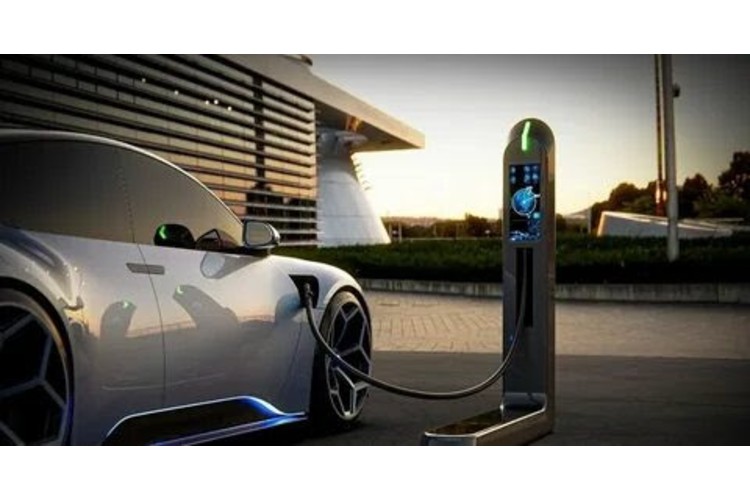
Electric Vehicle (EV) Charging infrastructure remains a critical barrier to EV growth. However, ultra-fast charging networks are revolutionizing how and where drivers power up. Traditional fast chargers deliver up to 150 kW, requiring 30–45 minutes for an 80% charge. New ultra-fast stations, such as those rolling out under the IONITY and Tesla Supercharger V4 initiatives, can push 350 kW or more, enabling an 80% recharge in as little as five minutes.
This acceleration hinges on improvements in cooling systems, high-voltage architectures, and advanced power electronics. Coupled with smart-grid integration, these networks dynamically manage load, preventing grid overload during peak times. For fleet operators and long-distance travelers, the impact is profound. Convenience rivals that of gasoline refueling, eliminating one of the last major objections to EV purchases. As these ultra-fast chargers proliferate, the global Electric Vehicle Market will expand beyond urban centers into highways, rural areas, and even smaller towns.
3. Vehicle-to-Grid (V2G) Integration: Turning EVs into Energy Assets
Imagine your EV not only drawing power from the grid but also supplying it back when needed. Vehicle-to-Grid (V2G) integration makes this vision a reality, enabling bidirectional charging between electric vehicles and the power infrastructure. During periods of high electricity demand or intermittent renewable generation, aggregated EV fleets can feed energy back, balancing the grid and earning revenue for vehicle owners.
Pilot projects in Denmark, the Netherlands, and California have demonstrated V2G’s potential, integrating EVs as distributed energy resources. Automakers like Nissan and Honda are incorporating V2G capabilities into their latest models, while software platforms optimize charging schedules based on electricity prices and grid conditions. As more utilities offer incentives for V2G participation, EV owners will see reduced ownership costs and accelerated return on investment. Ultimately, V2G transforms EVs from passive consumers into active grid participants, further driving growth in the Electric Vehicle Market.
4. Wireless Charging Solutions: Simplifying the User Experience
Wireless charging, once limited to smartphones, is now being adapted for electric cars. Inductive charging pads embedded in parking spots or lanes can recharge vehicles without cables. Leading companies such as WiTricity and Plugless Power have developed systems capable of transferring up to 11 kW of power with 90% efficiency, ideal for overnight home charging or designated public parking.
More advanced implementations, like dynamic wireless charging, embed coils beneath road surfaces to charge vehicles in motion. Trials in Sweden and South Korea have shown that light commercial vehicles can gain 1 kWh of charge per kilometer, effectively extending range for public transit buses and delivery trucks. By removing the friction of plugging in, wireless charging enhances convenience—appealing to non-technical consumers and older demographics. As infrastructure investments grow, wireless solutions will complement wired fast chargers, creating a seamless charging ecosystem and encouraging broader EV adoption.
5. Advanced Autonomous Driving Features: Smarter and Safer EVs
Autonomous driving software and electrification are converging, unlocking new possibilities for both private ownership and shared mobility. EVs are inherently well-suited for self-driving technologies due to their simpler powertrains and centralized computing platforms. Companies like Tesla, Waymo, and Mobileye are integrating advanced driver assistance systems (ADAS) that leverage lidar, radar, and AI-powered vision to enable Level 3 and Level 4 autonomy on highways and in urban settings.
Beyond full autonomy, features such as automated valet parking and smart summon allow EVs to navigate parking lots, charge themselves, and return to drivers on command. Fleet operators are particularly enthusiastic: autonomous electric taxis and delivery vans promise lower operating costs, higher utilization rates, and reduced congestion. As regulations evolve and safety standards are met, autonomous EVs will transform transportation paradigms, fostering new business models like shared “robo-taxi” services. This synergy between autonomy and electrification will be a cornerstone of the next phase of Electric Vehicle Market expansion.
Innovation Driving the Future of Mobility
The rapid advancements outlined above illustrate how innovation is catalyzing the global shift toward electrified transportation. From the game-changing potential of solid-state batteries to the convenience of wireless charging and the intelligence of autonomous EVs, each breakthrough addresses a critical barrier to widespread adoption. According to Fairfield Market research, these technologies will collectively reshape consumer expectations, regulatory frameworks, and competitive dynamics within the Electric Vehicle Market.
Automakers, tech companies, utilities, and governments must collaborate to scale these innovations efficiently. Investments in manufacturing, grid modernization, and regulatory alignment will be essential to realize the full potential of EVs. For consumers, the benefits include lower operating costs, reduced environmental impact, and an ever-improving ownership experience. As these five innovations mature and converge, the auto industry stands on the cusp of its most dramatic transformation in over a century—ushering in a cleaner, smarter, and more connected era of mobility.