


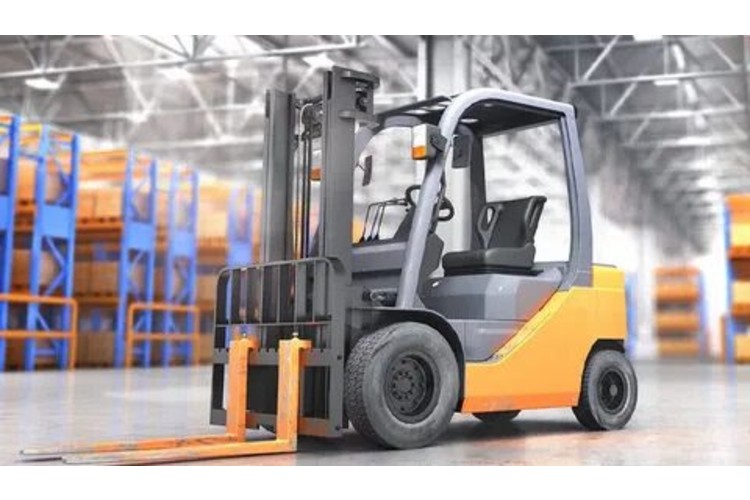
As businesses increasingly align their operations with global sustainability goals, warehouses are undergoing a major transformation. At the center of this shift is the adoption of electric forklifts, which are rapidly replacing traditional internal combustion (IC) engine models. This transition isn’t just about reducing carbon emissions—it’s about operational efficiency, cost savings, compliance, and embracing future-ready technologies. In this blog, we explore the pivotal role that electric forklifts play in creating sustainable warehouse operations, and how this transition is shaping the global Electric Forklifts Market.
Why Sustainability Matters in Warehouse Operations
Warehousing is a critical component of modern supply chains. However, it is also a significant contributor to carbon emissions, energy consumption, and noise pollution. Traditional warehouse equipment, particularly diesel or gas-powered forklifts battery, emits harmful pollutants and requires frequent maintenance. As companies aim to achieve net-zero emissions and adhere to environmental regulations, the switch to electric equipment becomes essential. The move toward electric forklifts is not only environmentally responsible but also economically and operationally strategic.
The Rise of the Electric Forklifts Market
The Electric Forklifts Market is experiencing a substantial boom, driven by the increasing emphasis on clean energy, automation, and cost-efficiency. According to Fairfield Market Research, the global demand for electric forklifts has been fueled by the rapid expansion of e-commerce, warehousing, and logistics sectors. Governments across the globe are also offering incentives for adopting electric vehicles in industrial sectors, further strengthening the growth trajectory of this market.
Electric forklifts are now a common sight in modern distribution centers, retail warehouses, cold storage units, and manufacturing facilities. Their adoption is no longer a niche trend but a widespread industrial shift, with regions like North America, Europe, and Asia-Pacific leading the charge.
Top Benefits of Electric Forklifts for Sustainable Warehousing
1. Zero Emissions and Lower Carbon Footprint
Unlike diesel-powered forklifts, electric models produce no direct emissions. This leads to cleaner air within indoor warehouse environments and contributes to a significant reduction in the overall carbon footprint. For companies aiming for LEED certification or sustainability audits, electric forklifts offer a compelling advantage.
2. Energy Efficiency and Cost Savings
Electric forklifts consume significantly less energy over their lifecycle compared to IC engines. They convert over 90% of their energy into useful work, while internal combustion engines often waste more than half of their fuel energy. Additionally, electric forklifts have fewer moving parts, resulting in lower maintenance costs and longer service intervals.
3. Quiet Operation for Healthier Work Environments
Noise pollution in warehouses affects worker productivity and safety. Electric forklifts operate almost silently, which contributes to better working conditions, especially in environments requiring high focus and coordination, such as cold storage or high-density picking zones.
4. Compact Design and Enhanced Maneuverability
Electric forklifts tend to be more compact, with tighter turning radii, making them ideal for narrow aisles and dense racking systems. Their precision and control contribute to safer warehouse operations, reducing the risk of accidents and product damage.
5. Integration with Smart Warehouse Systems
Modern electric forklifts can be integrated with IoT, AI, and telematics systems for real-time performance monitoring, route optimization, and predictive maintenance. This enables smarter, more efficient warehouse management while reducing energy and operational waste.
Key Trends Shaping the Electric Forklifts Market
- Lithium-Ion Battery Adoption
The shift from traditional lead-acid to lithium-ion batteries is redefining the electric forklifts landscape. Lithium-ion batteries charge faster, last longer, and require no watering, which reduces downtime and maintenance efforts. - Hydrogen Fuel Cell Technology
For heavy-duty and high-frequency warehouse operations, hydrogen-powered electric forklifts are emerging as a game-changer. They combine the zero-emission advantage of electric models with rapid refueling capabilities, addressing the limitations of battery charging time. - Fleet Electrification Across Multinationals
Major corporations are committing to complete fleet electrification. This trend is accelerating the demand for electric forklifts and pushing manufacturers to offer more durable, high-capacity models suited for 24/7 operations. - Growing E-Commerce Warehousing Needs
As online shopping grows, so does the need for scalable, agile, and clean warehousing solutions. Electric forklifts are becoming standard equipment in e-commerce fulfillment centers due to their reliability and suitability for continuous use.
Challenges to Overcome in the Electric Forklift Transition
Despite their many benefits, electric forklifts come with their own set of challenges. High initial investment, especially for lithium-ion or hydrogen fuel cell models, can be a barrier for small-to-medium enterprises. Moreover, installing charging infrastructure or hydrogen refueling stations requires capital expenditure and space allocation.
Battery disposal and recycling also remain concerns, as improper handling of spent batteries could offset some of the environmental benefits. However, ongoing innovations and stricter recycling policies are gradually addressing these issues.
Regional Insights: Leaders in Electric Forklift Adoption
Europe is at the forefront of electric forklift adoption, thanks to its stringent emissions laws, strong regulatory frameworks, and government subsidies for green equipment. Countries like Germany, France, and the Netherlands are promoting sustainability in warehousing and logistics through carbon-neutral goals.
North America, particularly the U.S., is witnessing fast adoption in logistics hubs and cold chain operations. The rise of warehousing due to e-commerce giants like Amazon and Walmart is fueling demand for quieter, cleaner forklift solutions.
Asia-Pacific remains a dominant player in the global Electric Forklifts Market due to massive industrialization and warehouse expansions in China, India, and Japan. The availability of affordable manufacturing and government-backed electrification drives are boosting market growth in this region.
Fairfield Market Research plays a crucial role in tracking the evolving landscape of the Electric Forklifts Market. Through detailed data analysis, trend mapping, and forecasting, it helps businesses identify high-growth opportunities, emerging technologies, and evolving consumer demands. Decision-makers and industry players leverage such insights to future-proof their operations and align with sustainable practices.
The Future of Sustainable Warehousing
Electric forklifts are no longer just an alternative—they are becoming the default choice for forward-thinking warehouses. As the technology matures, and charging infrastructure becomes more widespread, the cost-benefit equation will tilt even more in favor of electric models.
Furthermore, with the integration of AI, machine learning, and automation into warehouse workflows, electric forklifts will continue evolving into smarter, more efficient, and fully connected assets. Their role in supporting sustainability initiatives, reducing emissions, and improving worker safety ensures they will be central to the warehouse of the future.
The transformation of warehouses through electric forklift adoption is a powerful step toward sustainability. These machines are enabling companies to meet environmental goals, streamline operations, and reduce long-term costs. With governments, consumers, and investors increasingly focused on ESG (Environmental, Social, and Governance) compliance, businesses can no longer afford to delay their shift toward clean equipment.
The Electric Forklifts Market is not only growing—it’s accelerating into the future of industrial logistics. Companies that invest in electric forklift technology today are positioning themselves as leaders in tomorrow’s sustainable economy.