


A Digital Mirror of the Real World
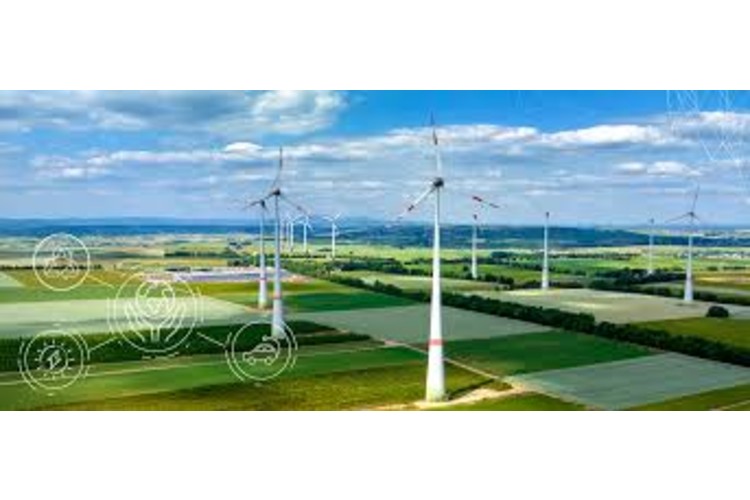
Imagine a power plant that can predict its own failures, a wind farm that optimizes performance in real time, or an entire electricity grid that can be simulated, tested, and improved—without ever touching the physical system. This is no longer science fiction. It is the reality enabled by digital twin technology.
A digital twin is a virtual replica of a physical asset, system, or process that continuously updates using real-time data. Globally, the digital twin market is experiencing rapid growth, expected to exceed $100 billion by 2030, with the energy sector emerging as one of its most transformative applications. Studies suggest that digital twins can reduce maintenance costs by up to 30%, improve operational efficiency by 20–25%, and significantly enhance system reliability.
As India accelerates its transition toward renewable energy, smart grids, and electrification, digital twins are becoming essential tools for building a more efficient, resilient, and intelligent energy ecosystem.
Understanding Digital Twin Technology
At its core, a digital twin is a dynamic, data-driven model of a physical entity. Unlike static simulations, digital twins evolve in real time by integrating data from sensors, Internet of Things (IoT) devices, and advanced analytics.
A typical digital twin system consists of:
- Physical Asset – such as a power plant, transformer, or grid
- Sensors and Data Systems – capturing real-time operational data
- Digital Model – a virtual representation of the asset
- Analytics Engine – using AI and machine learning to derive insights
This continuous feedback loop allows operators to monitor performance, predict issues, and optimize operations with unprecedented precision.
Why Digital Twins Matter in the Energy Sector
The energy sector is becoming increasingly complex, driven by:
- Integration of renewable energy sources
- Aging infrastructure
- Growing demand for electricity
- Need for sustainability and efficiency
Digital twins provide a powerful solution to manage this complexity.
1. Predictive Maintenance
Traditional maintenance approaches are either reactive (fix after failure) or preventive (scheduled checks). Digital twins enable predictive maintenance, identifying potential failures before they occur.
For example, a digital twin of a turbine can detect subtle changes in vibration or temperature, signaling a potential issue and allowing timely intervention.
2. Operational Efficiency
By analyzing real-time data, digital twins help optimize energy generation, distribution, and consumption. This leads to reduced waste, improved performance, and lower operational costs.
3. Risk Reduction
Simulations allow operators to test different scenarios—such as peak demand, equipment failure, or extreme weather—without risking actual systems.
4. Accelerated Innovation
Engineers can experiment with new designs, technologies, and strategies in a virtual environment, reducing development time and costs.
Applications Across the Energy Value Chain
Digital twins are transforming every segment of the energy industry.
Power Generation
In thermal, hydro, and renewable power plants, digital twins monitor equipment performance and optimize output.
- Thermal plants – improve boiler efficiency and reduce emissions
- Wind farms – optimize turbine placement and performance
- Solar plants – track panel efficiency and predict degradation
Transmission and Distribution
Digital twins of power grids enable real-time monitoring and fault detection.
- Identify weak points in the grid
- Reduce transmission losses
- Improve outage management
Smart Grids and Urban Energy Systems
As cities adopt smart infrastructure, digital twins help integrate distributed energy resources such as rooftop solar and electric vehicles.
Oil and Gas Sector
In upstream and downstream operations, digital twins enhance exploration, drilling, and refining processes, improving safety and efficiency.
India’s Digital Twin Journey
India is at a pivotal moment in its energy transition. With ambitious targets such as 500 GW of non-fossil fuel capacity by 2030, the need for advanced digital solutions is greater than ever.
Smart Infrastructure Development
Digital twins are being explored in smart city projects to optimize energy use, manage utilities, and improve urban planning.
Renewable Energy Integration
India’s growing renewable capacity requires sophisticated tools to manage variability. Digital twins help forecast generation and balance supply and demand.
Industrial Applications
Power utilities and industrial players are adopting digital twins to enhance asset performance and reduce downtime.
Government Initiatives
Programs promoting digitalization, such as Digital India and smart grid initiatives, are creating a favorable environment for digital twin adoption.
Benefits of Digital Twins in Energy
Enhanced Reliability
Continuous monitoring ensures early detection of issues, reducing the risk of failures and outages.
Cost Savings
Optimized operations and predictive maintenance lead to significant cost reductions.
Sustainability
Improved efficiency reduces energy waste and lowers carbon emissions.
Better Decision-Making
Data-driven insights enable informed and timely decisions.
Lifecycle Management
Digital twins provide insights throughout the lifecycle of an asset—from design and construction to operation and decommissioning.
Technological Drivers
Several technologies are enabling the growth of digital twins:
Internet of Things (IoT)
IoT devices provide real-time data from physical assets, forming the foundation of digital twins.
Artificial Intelligence (AI)
AI algorithms analyze data, identify patterns, and generate predictive insights.
Cloud Computing
Cloud platforms enable storage and processing of large volumes of data.
Big Data Analytics
Advanced analytics tools extract meaningful insights from complex datasets.
5G Connectivity
High-speed communication ensures seamless data transfer between physical and digital systems.
Challenges to Adoption
Despite their potential, digital twins face several challenges:
High Initial Investment
Developing and implementing digital twin systems can be expensive, especially for large-scale infrastructure.
Data Management
Handling vast amounts of data requires robust systems and cybersecurity measures.
Skill Gaps
There is a need for skilled professionals in data science, AI, and system integration.
Integration Issues
Integrating digital twins with existing infrastructure can be complex.
Standardization
Lack of universal standards can hinder interoperability and scalability.
Global Trends
Digital twin adoption is accelerating worldwide.
- Utilities in the United States and Europe are using digital twins to modernize aging grids.
- Renewable energy companies are leveraging digital twins to optimize wind and solar assets.
- Countries investing in smart cities are integrating digital twins into urban planning.
The convergence of digital twins with technologies like blockchain and edge computing is expected to unlock new possibilities.
The Future of Digital Twins in Energy
The future of digital twins lies in their integration with broader digital ecosystems.
Autonomous Energy Systems
Digital twins will enable self-optimizing energy systems that require minimal human intervention.
Integration with Electric Vehicles
As EV adoption grows, digital twins will help manage charging infrastructure and grid impact.
Climate Resilience
Digital twins will play a key role in preparing energy systems for climate-related risks.
Decentralised Energy Systems
Combining digital twins with microgrids will create intelligent, adaptive energy networks.
Conclusion: A Smarter, More Resilient Energy Future
Digital twin technology represents a paradigm shift in how the energy sector operates. By creating a bridge between the physical and digital worlds, it enables unprecedented levels of insight, efficiency, and control.
For a country like India, where energy demand is rapidly growing and sustainability is a priority, digital twins offer a powerful tool to navigate the complexities of the energy transition. They not only enhance operational performance but also support innovation, resilience, and environmental responsibility.
As the energy landscape continues to evolve, digital twins will become an integral part of the infrastructure—quietly working behind the scenes to ensure that power systems are smarter, cleaner, and more reliable.The future of energy is not just electrified—it is digitally empowered. And at the heart of this transformation lies the digital twin, shaping a world where technology and energy work seamlessly together to power progress.