

Urja Daily
No Result
View All Result
  • News
  • Renewable
    • Solar
    • Rooftop
    • Floating Solar
    • Module
    • Wind
    • Hydrogen
    • Biomass
    • Tenders
    • Sustainibility
  • Storage
  • E-Mobility
  • Battery
  • Smart City
  • Power
    • Smart Grid
    • Microgrid
    • Off-Grid
  • Editor’s Pick
    • Articles
    • In Talks
    • E-MAG
    • Market Research
  • On-demand Webinars
  • More
    • Events
    • Contact Us
    • Subscribe
  • News
  • Renewable
    • Solar
    • Rooftop
    • Floating Solar
    • Module
    • Wind
    • Hydrogen
    • Biomass
    • Tenders
    • Sustainibility
  • Storage
  • E-Mobility
  • Battery
  • Smart City
  • Power
    • Smart Grid
    • Microgrid
    • Off-Grid
  • Editor’s Pick
    • Articles
    • In Talks
    • E-MAG
    • Market Research
  • On-demand Webinars
  • More
    • Events
    • Contact Us
    • Subscribe
No Result
View All Result
Urja Daily
No Result
View All Result
Home Editor's Pick Articles

Conquer the Rains: Top Tips to Keep Your EV Safe This Monsoon Season

Urja Daily by Urja Daily
October 8, 2024
in Articles
Reading Time: 3 mins read
0
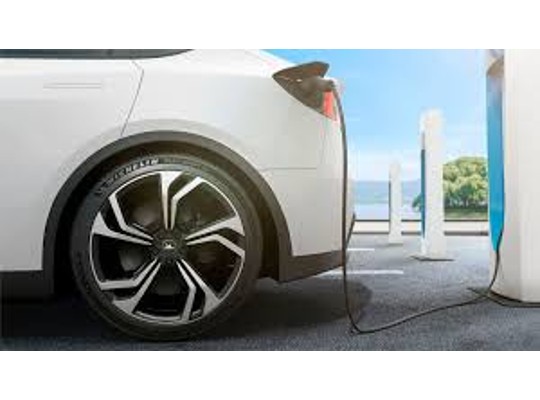
EV Safe
Share on FacebookShare on TwitterShare on Linkedin

Monsoon season is here! While it relieves the scorching summer heat, many EV owners are concerned about how their vehicles will fare in the rainy weather. Despite the advanced technology and protective measures built into modern electric vehicles, some myths and misconceptions persist. The good news is that EVs are designed to function efficiently under various weather conditions, including heavy rains. With proper care and a few precautions, you can ensure your EV remains safe and operational throughout the monsoon season.

Here are some essential tips to debunk some common myths and keep your EV safe this monsoon:

RELATED POSTS

Has India Moved Too Fast on Solar Cell Localisation?

Beyond Installation: What Defines a Successful Industrial Solar Project?

Myth 1: Waterlogged areas damage electric vehicles.
Reality: Modern EVs come with robust Ingress Protection (IP) ratings, typically IP65 or IP67, ensuring protection against dust and water. An IP67 rating means that the vehicle can be submerged in water up to one meter deep for 30 minutes without any leakage, and the battery, connectors, and high-voltage architecture are safe from water damage. Additionally, battery packs feature multiple protective cutoffs that activate at the first sign of water ingress, enhancing safety.

Tip: Always know your vehicle’s IP rating and avoid driving through extremely deep water to prevent any potential damage.

Myth 2: Charging an EV in the rain is dangerous.
Reality:
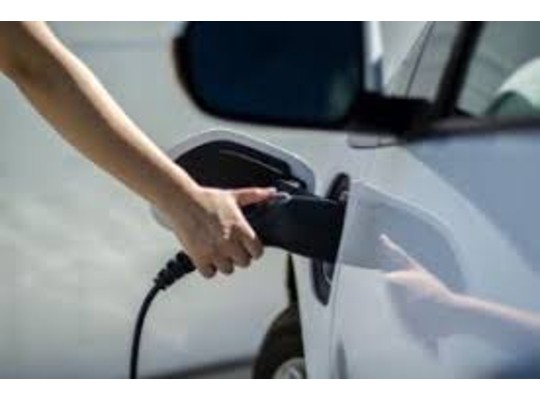
This is a common misconception. EV charging stations are designed to be weatherproof and shockproof, protecting the vehicle from any electrical mishaps. These chargers undergo rigorous testing to meet safety standards. Electrical connectors and equipment are designed in a way that prevents the ingress of water and other contaminants, ensuring safe and reliable charging in rainy conditions.

Tip: It’s recommended to always charge an EV in a dry and covered area, avoiding heavy thunderstorms. It’s also suggested to charge the EV at home during the night to help balance the electrical grid’s distribution.

Myth 3: EVs are more susceptible to damage from lightning.
Reality: Lightning can damage both EVs and ICE vehicles equally. When lightning hits a vehicle, the metal body helps by directing the current away from people inside. This happens because of something called the Faraday effect, which means the metal acts like a shield, guiding the lightning’s energy safely into the ground. Studies, including those from the National Highway Traffic Safety Administration (NHTSA), have shown that EVs have a lesser risk of lightning-related damage in comparison to ICE vehicles.

Tip: During a thunderstorm, it’s safest to avoid being outdoors, but if you must be, rest assured that your EV provides similar protection as any other vehicle.

Myth 4: Using ancillary components affects the range of the EV.

Reality: The impact of using ancillary components like windscreen wipers or defoggers does not affect an EV’s range or functionality. EVs are designed to account for the electrical consumption of these components, even during heavy rains, ensuring that the vehicle’s performance is not affected.

Tip: Use necessary ancillary components like windscreen wipers and defoggers without worrying too much about the impact on your EV’s range.


Tags: electric vehiclesEV SafeICELightning
ShareTweetShare
Urja Daily

Urja Daily

Related Posts

Tanmoy Duari

Has India Moved Too Fast on Solar Cell Localisation?

by Palak
August 25, 2026
0

India's DCR policy is accelerating domestic manufacturing—but is the upstream ecosystem ready to support the transition? India's solar manufacturing story...

Beyond Installation: What Defines a Successful Industrial Solar Project?

by Palak
August 22, 2026
0

India's industrial solar market has evolved significantly over the last decade. The conversation is no longer confined to how much...

Dr. Sunder Raju, Chairman, Atria Group

Agrivoltaics: Building the Future of Farming and Clean Energy Together

by Palak
August 17, 2026
0

India's renewable energy journey has been one of remarkable scale and ambition. Over the last decade, solar power has emerged...

Powering Electric Vehicles

Off-Grid EV Solar Charger Market: Powering Electric Vehicles Beyond the Grid

by Palak
August 17, 2026
0

As electric vehicle ownership climbs and climate-driven power outages become more common, a quieter but fast-growing corner of the clean-energy...

Kaustubh Dhonde, Founder & CEO, AutoNXT

From Diesel to Electric: How EV Tractors Are Reshaping Sustainable Agriculture

by Palak
August 14, 2026
0

Agriculture has always evolved alongside technological innovation. From the introduction of mechanised farming equipment to precision agriculture powered by artificial...

Next Post
EV's Range and Performance

Drive Further, Earn More: Essential Strategies to Boost Your EV's Range and Performance

Magenta Mobility

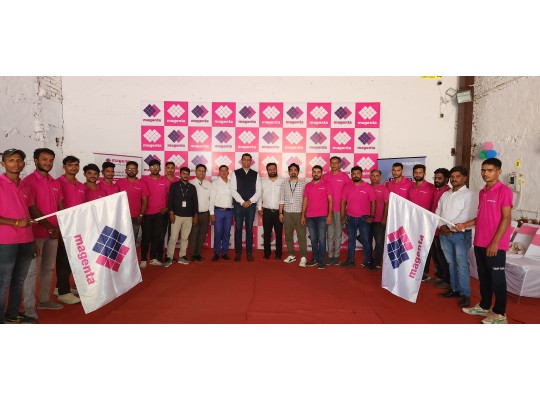
Magenta Mobility Launches 'Pink Turns Green' Initiative in Jaipur

Leave a Reply Cancel reply

Your email address will not be published. Required fields are marked *

RECOMMENDED

RENEWABLES

Renewables Set to Surpass Gas as Capacity Grows by 83 GW

August 27, 2026
Joint Solar

Joint Solar puts quality and reliability at the heart of India’s solar push towards 500 GW

August 27, 2026

MOST VIEWED

  • Solar

    When the Sun Began Paying the Electricity Bills: The Story of PM Surya Ghar Muft Bijli Yojana

    0 shares
    Share 0 Tweet 0
  • India’s Emerging Polysilicon Manufacturing Ecosystem: Opportunities and Challenges

    0 shares
    Share 0 Tweet 0
  • KP Group & PP Savani University Launches Urjanoor Scholarship

    0 shares
    Share 0 Tweet 0
  • StarlinePS Enterprises Invests ₹160 Crore in Celloraa Energy

    0 shares
    Share 0 Tweet 0
  • Business Delegation Signs 66 MoUs During Central Asia Visit to Boost Multi-Sector Collaboration

    0 shares
    Share 0 Tweet 0

Renewables Set to Surpass Gas as Capacity Grows by 83 GW

Joint Solar puts quality and reliability at the heart of India’s solar push towards 500 GW

STMicroelectronics and NUS launch Corporate Labto power the future of Edge AI in Singapore

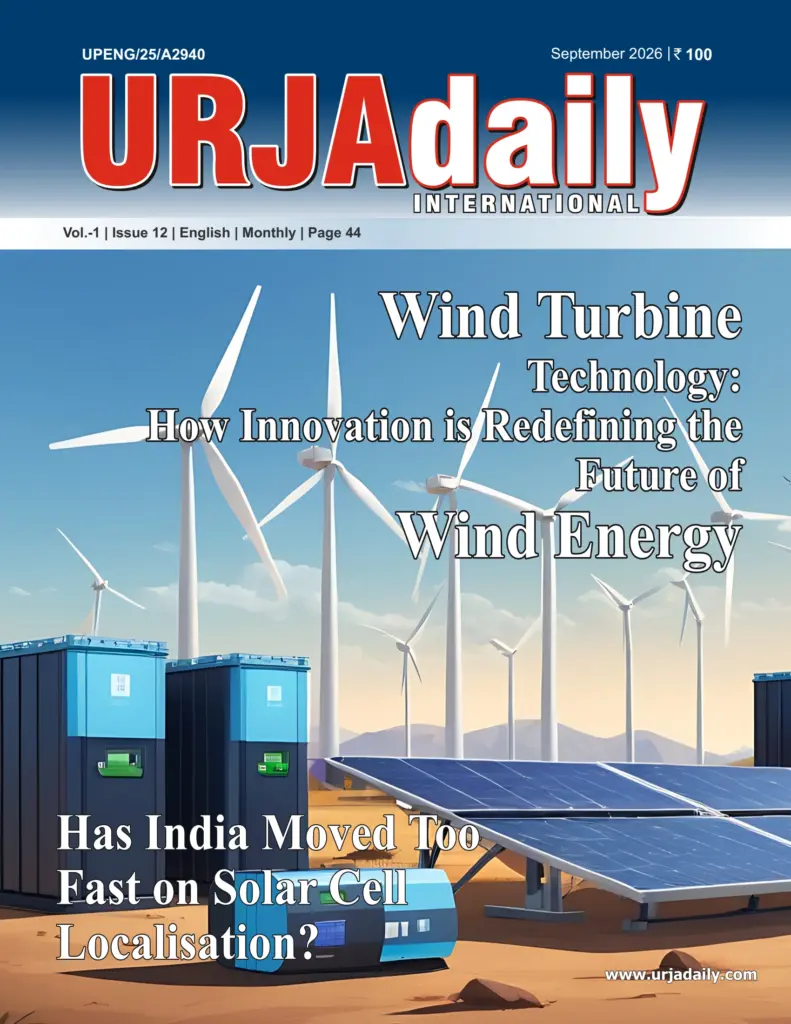
Has India Moved Too Fast on Solar Cell Localisation?

Hindustan Power Secures Financing for 435 MWp UP Solar Project

Statkraft and Hydro Energi sign 8.8 TWh PPA in Norway

Latest Magazine

© 2016 – 2025 TechZone Print Media | All Rights Reserved

  • About Us
  • Contact Us
No Result
View All Result
  • News
  • Renewable
    • Solar
    • Rooftop
    • Floating Solar
    • Module
    • Wind
    • Hydrogen
    • Biomass
    • Tenders
    • Sustainibility
  • Storage
  • E-Mobility
  • Battery
  • Smart City
  • Power
    • Smart Grid
    • Microgrid
    • Off-Grid
  • Editor’s Pick
    • Articles
    • In Talks
    • E-MAG
    • Market Research
  • On-demand Webinars
  • More
    • Events
    • Contact Us
    • Subscribe

© 2016 - 2025 TechZone Print Media | All Rights Reserved