


Understanding the Role of Green Building Materials in Sustainability
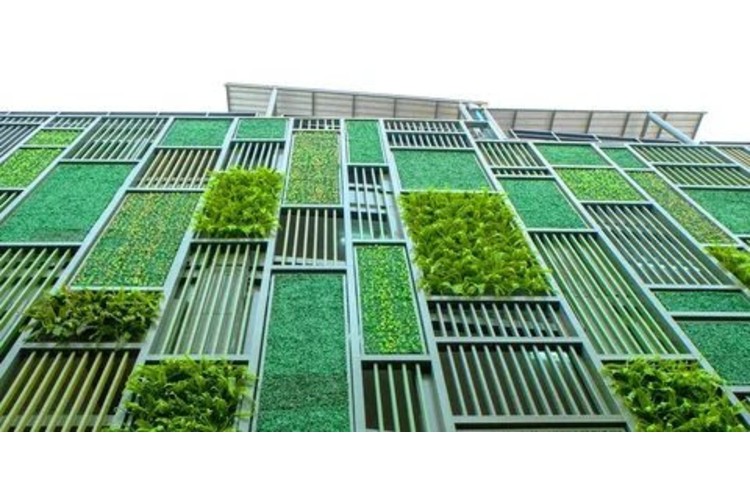
Green building materials are not just products; they are enablers of change in how we design, construct, and maintain structures. Unlike conventional options, these materials are manufactured with an emphasis on energy efficiency, recyclability, and minimal environmental impact. Whether it’s recycled steel, bamboo, rammed earth, fly ash concrete, or low-VOC paints, each choice reduces the reliance on high-carbon traditional inputs.
According to Fairfield Market Research, the Green Building Materials Market has witnessed rapid expansion in the last decade, with demand rising in both residential and commercial projects. Governments, businesses, and consumers increasingly view sustainable construction as a necessity rather than an option. This demand surge highlights how carbon reduction strategies are deeply tied to material choices.
How Construction Contributes to Carbon Emissions
Before exploring solutions, it’s important to understand the scale of the problem. Construction contributes nearly 40% of global energy-related CO₂ emissions, divided between building operations and material production. The extraction and processing of raw materials such as cement, aluminum, and steel are among the most carbon-intensive activities on the planet.
Cement alone is responsible for approximately 7–8% of total global CO₂ emissions. Traditional insulation, paints, and synthetic materials further add harmful compounds to the atmosphere during both production and post-use disposal. Against this backdrop, a widespread shift to eco-friendly alternatives is one of the most direct ways to bring down emissions across the sector.
Energy Efficiency Starts with Smart Materials
Energy efficiency is where green building materials deliver the most immediate benefits. Products such as insulated concrete forms, structural insulated panels, and reflective roofing reduce heating and cooling needs, lowering energy consumption in buildings. Bamboo flooring, cork panels, and reclaimed wood also provide sustainable choices with lower embodied energy compared to traditional materials.
Fairfield Market Research points out that builders and developers are increasingly prioritizing materials that improve thermal performance while reducing reliance on artificial heating and cooling. This dual advantage ensures not only lower operational costs but also a measurable reduction in lifetime carbon emissions from buildings.
The Circular Economy Advantage
Another key reason why green materials help reduce emissions is their alignment with circular economy principles. Instead of the traditional “take-make-dispose” model, these materials are designed for reuse, recycling, or biodegradability. Fly ash, a byproduct of coal-fired plants, can replace a large percentage of cement in concrete, reducing reliance on high-emission cement production. Similarly, recycled steel and reclaimed wood significantly cut down on new resource extraction and processing.
The Green Building Materials Market is evolving in step with circular economy goals, making it easier for construction firms to adopt products that extend resource lifecycles and prevent waste. As more industries shift toward resource-efficient models, the integration of such materials creates a direct impact on lowering construction-related carbon emissions.
Government Regulations and Global Green Building Standards
Legislation is playing a powerful role in accelerating adoption. The introduction of green building codes, tax incentives, and carbon reduction targets has created a more favorable environment for eco-friendly construction. LEED, BREEAM, and other international certification programs place green building materials at the core of sustainable building practices.
Fairfield Market Research highlights that governments in Europe, North America, and parts of Asia are aggressively supporting this transition through subsidies and compliance mandates. Such regulations make it financially rewarding for developers to choose sustainable alternatives, further propelling market growth and emissions reduction.
Innovation Driving the Future of Green Materials
Technology is rapidly transforming the possibilities for sustainable construction. Advanced composites, bio-based plastics, 3D-printed recycled materials, and self-healing concrete are no longer concepts of the future but emerging realities. These innovations are engineered to reduce lifecycle emissions while maintaining durability and affordability.
For example, cross-laminated timber (CLT) not only replaces energy-intensive steel and concrete in certain structures but also acts as a carbon sink by storing carbon dioxide absorbed during the tree’s growth. Similarly, algae-based insulation and carbon-absorbing concrete are redefining what sustainable architecture looks like.
According to Fairfield Market Research, innovations like these are creating disruptive opportunities in the Green Building Materials Market, pushing the industry toward faster adoption and wider scalability.
The Business Case: Why Companies Are Embracing Green Building Materials
For many companies, reducing emissions is no longer just about compliance; it’s about long-term competitiveness. Rising consumer awareness, investor scrutiny, and ESG reporting requirements have placed sustainability at the heart of business strategy. Developers who adopt green building materials benefit from lower energy costs, higher asset valuations, and stronger brand reputations.
Furthermore, tenants and buyers increasingly prefer buildings with green certifications, creating direct market advantages. Lower operating expenses and healthier indoor environments also translate into higher occupancy rates and rental premiums. Clearly, the financial rationale aligns with the environmental case, making adoption a win-win for stakeholders.
Challenges That Need Addressing
While the promise of green building materials is clear, there are barriers to full-scale adoption. High upfront costs, limited availability in some regions, and lack of awareness among smaller contractors remain key obstacles. Additionally, supply chain disruptions and performance uncertainties for newer materials can slow adoption rates.
However, as Fairfield Market Research emphasizes, these challenges are temporary. As production scales, prices are expected to fall, making eco-friendly materials more accessible. With ongoing R&D and increased global policy alignment, the industry is poised to overcome these barriers and deliver carbon reduction at scale.