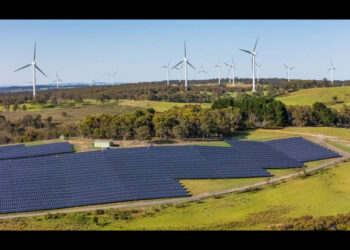



The solar energy sector is undergoing a technological transformation, where photovoltaic (PV) systems are no longer passive energy generators but intelligent assets capable of real-time monitoring, diagnostics, and optimization. The integration of Internet of Things (IoT) technologies with solar panels is reshaping how residential, commercial, and utility-scale systems are managed, making operations more efficient and financially predictable. Unlike traditional setups that monitor energy output at the inverter or string level, IoT-enabled smart solar panels incorporate sensors, power optimizers, or microinverters at the module level, providing granular insights into energy generation, temperature, irradiance, and fault conditions. This capability is particularly valuable in industries such as data centers, industrial parks, and large commercial complexes, where uninterrupted power supply is critical to operations.
How IoT Monitoring Works
A typical smart solar system comprises three components: sensors embedded at each module to track voltage, current, and environmental factors; IoT gateways that aggregate data and transmit it to the cloud over Wi-Fi, LoRaWAN, NB-IoT, or LTE-M; and cloud-based analytics platforms that enable real-time dashboards, automated alerts, and predictive insights. This combination ensures that every panel communicates its performance continuously, allowing operators to make informed, proactive decisions.
Benefits Across Industries
For commercial and industrial (C&I) installations, predictive maintenance can identify issues such as dust accumulation, shading, or minor faults before they escalate, minimizing downtime and avoiding disruptions to production or facility operations. In utility-scale solar farms, where installations can span hundreds of acres, IoT monitoring allows operators to pinpoint underperforming modules or strings, reducing inspection times and maintenance costs while optimizing overall energy yield. Even residential and small-to-medium enterprise (SME) installations benefit from IoT-enabled monitoring, providing transparency into daily generation, energy consumption, and net metering, ultimately empowering users to manage costs and energy usage effectively.
Predictive Maintenance and Cost Optimization
The advantages of real-time monitoring go beyond operational efficiency. Industry studies indicate that predictive maintenance powered by IoT and machine learning can reduce operation and maintenance (O&M) costs by 20–30%, while increasing energy output by identifying anomalies such as inverter malfunctions or module degradation before they impact system performance.
Connectivity Challenges and Solutions
Connectivity plays a critical role in enabling smart solar monitoring. Urban rooftops and commercial buildings typically rely on Wi-Fi or Ethernet, while remote or utility-scale installations increasingly adopt LoRaWAN or NB-IoT for long-range, low-power communication. Hybrid systems equipped with edge computing and local storage ensure continuous data collection even in areas with intermittent connectivity, safeguarding the reliability of monitoring and analytics.
Data Security and Integration
As the solar industry becomes increasingly digital, data security and system integration are emerging as key considerations. Secure communication protocols, encryption, and over-the-air updates are essential to protect assets from cyber threats. Moreover, enterprises demand that IoT monitoring platforms integrate seamlessly with ERP, billing, and energy management systems to streamline operations and reporting.
The Future of Smart Solar
Looking ahead, innovations such as AI-driven forecasting, digital twins, and blockchain-enabled energy settlements are expected to further enhance the capabilities of smart solar systems, creating a fully connected and optimized solar ecosystem.
Conclusion
IoT-enabled smart solar panels are revolutionizing the solar energy landscape by providing real-time performance tracking, predictive maintenance, and operational efficiency across residential, commercial, and utility segments. As sensor costs decline, connectivity improves, and analytics platforms become more sophisticated, smart monitoring is set to become the industry standard, maximizing returns for investors and accelerating the adoption of clean, reliable solar energy.