According to latest research by Growth Market Reports, the global crystalline silicon solar PV market size reached USD 124.8 billion in 2025. The market is experiencing robust growth, registering a CAGR of 8.9% from 2026 to 2034. By the end of the forecast period, the market is projected to surpass USD 270 billion by 2034. The primary growth factor fueling this expansion is the escalating global demand for clean, affordable electricity amid tightening carbon regulations, net-zero commitments from sovereign governments, and the accelerating retirement of coal and gas generation assets.
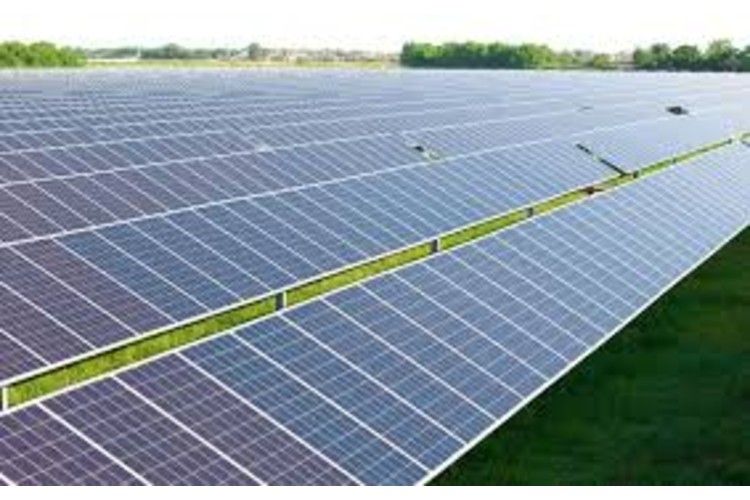
The Crystalline Silicon Solar PV Market is witnessing remarkable growth as countries accelerate the transition toward renewable energy. Increasing investments in sustainable power generation, favorable government policies, and declining manufacturing costs are making crystalline silicon photovoltaic (PV) technology the preferred choice for utility-scale, commercial, and residential solar installations worldwide.
Key Growth Drivers
Growing Preference for High-Efficiency Solar Modules
Crystalline silicon solar PV modules continue to dominate the global solar industry due to their high conversion efficiency, long operational life, and proven reliability. Continuous innovations in cell architecture, including passivated emitter rear contact (PERC), TOPCon, and heterojunction technologies, are enhancing energy output while reducing energy losses.
Manufacturers are also focusing on larger wafer sizes, bifacial modules, and improved anti-reflective coatings to maximize electricity generation. These advancements are helping project developers achieve higher returns on investment and making solar energy increasingly competitive with conventional power sources.
Clean Energy Policies Drive Market Expansion
Governments across developed and emerging economies are introducing supportive policies to accelerate renewable energy deployment. Tax credits, feed-in tariffs, net metering programs, and renewable portfolio standards are encouraging homeowners, businesses, and utilities to invest in solar PV systems.
National commitments to carbon neutrality and emission reduction targets are also increasing investments in large-scale solar parks. Public-private partnerships and international funding programs are further strengthening the deployment of crystalline silicon solar technologies across various regions.
Rising Electricity Demand Creates New Opportunities
Global electricity consumption continues to increase due to urbanization, industrialization, and digital transformation. As electricity demand rises, solar power offers an environmentally friendly and economically viable solution for expanding energy capacity.
Developing nations are increasingly utilizing crystalline silicon solar PV systems to improve energy access in remote and underserved areas. Hybrid energy systems that combine solar with battery storage are also becoming more common, enabling reliable electricity supply even in regions with unstable power grids.
Market Challenges Remain
Supply Chain and Raw Material Pressures
Despite its strong outlook, the market faces several challenges. Fluctuations in the prices of polysilicon, silver, aluminum, and other raw materials can influence production costs and module pricing. Supply chain disruptions and transportation constraints may also delay manufacturing and project execution.
Additionally, land availability, grid integration issues, and permitting delays continue to affect the development of large utility-scale solar projects in certain regions. Recycling and end-of-life management of solar panels are emerging considerations as the installed base continues to expand.
Innovation Supports Long-Term Growth
Research and development activities are accelerating the commercialization of next-generation crystalline silicon technologies. Manufacturers are improving production efficiency while reducing material usage and energy consumption during fabrication.
Artificial intelligence, robotics, and advanced quality inspection systems are being integrated into manufacturing facilities to enhance productivity and minimize defects. Digital monitoring platforms are also enabling predictive maintenance, improving system performance throughout the lifecycle of solar installations.
Growing investments in energy storage solutions further enhance the value of crystalline silicon PV systems by allowing excess electricity to be stored and used during periods of low sunlight or peak demand.
Competitive Landscape
JinkoSolar Holding Co., Ltd.
LONGi Green Energy Technology Co., Ltd.
Trina Solar Limited
Canadian Solar Inc.
JA Solar Holdings Co., Ltd.
Hanwha Q CELLS Co., Ltd.
Risen Energy Co., Ltd.
First Solar, Inc.
Seraphim Solar System Co., Ltd.
GCL System Integration Technology Co., Ltd.
Future Outlook
The future of the Crystalline Silicon Solar PV Market remains highly promising as technological innovation, supportive government policies, and increasing environmental awareness continue to accelerate solar adoption worldwide. Improvements in manufacturing efficiency, module performance, and energy storage integration are expected to further strengthen market competitiveness. As nations prioritize sustainable electricity generation and energy independence, crystalline silicon solar PV technology is set to remain the foundation of global renewable energy expansion through the coming decade.