



Introduction: Powering a Changing World
Energy is the backbone of modern civilization, yet its distribution remains uneven and often unreliable. Despite major strides in electrification, millions still face inconsistent access to electricity. In India alone, while official electrification has reached nearly 100%, an estimated 20–25 million households continue to experience unreliable or poor-quality power supply, with outages lasting several hours daily in some regions.
At the same time, the urgency of climate change is reshaping global energy priorities. The energy sector contributes nearly 75% of global greenhouse gas emissions, making it central to climate mitigation efforts. Meanwhile, the global microgrid market—valued at over $20 billion in recent years—is projected to grow at a compound annual growth rate (CAGR) of around 18–20%, potentially surpassing $100 billion within the next decade.
These figures highlight a critical reality: the traditional centralized power system is under strain. Long transmission lines, dependence on fossil fuels, and vulnerability to disruptions make it increasingly inadequate for modern needs.
In this context, microgrids and decentralised energy systems are emerging as transformative solutions—bringing electricity closer to users, enhancing resilience, and accelerating the transition to clean energy. They are not just technological innovations but powerful tools for economic development, environmental sustainability, and energy equity.
Understanding Microgrids and Decentralised Systems
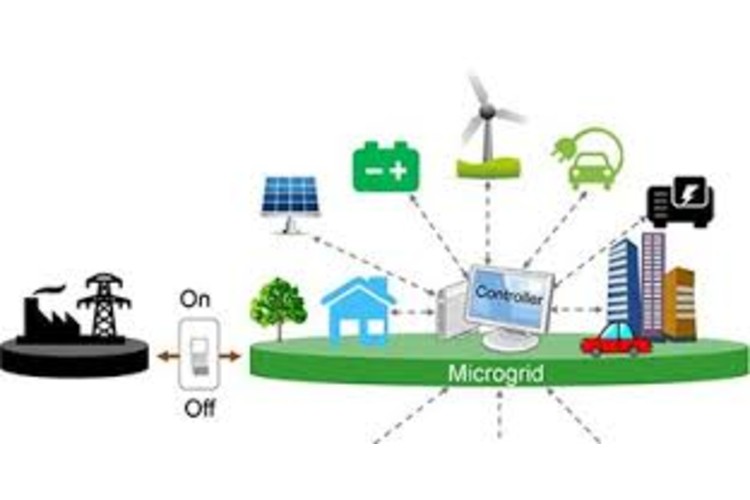
A microgrid is a localized energy network that can generate, store, and distribute electricity within a defined area. It can operate either connected to the main grid or independently (island mode), ensuring uninterrupted power during outages.
Decentralised energy systems extend this concept by focusing on energy generation at or near the point of consumption. Instead of relying on large, distant power plants, these systems use distributed sources such as:
- Solar photovoltaic panels
- Wind turbines
- Biomass energy
- Small hydro systems
- Battery storage technologies
Together, these systems create a flexible and efficient energy ecosystem that reduces dependence on centralized infrastructure.
Why Decentralisation Matters
1. Bridging the Reliability Gap
While grid connectivity has improved, reliability remains a challenge. Voltage fluctuations, frequent outages, and load shedding affect both rural and urban areas. Microgrids provide a dependable alternative by ensuring continuous power supply, particularly in underserved regions.
2. Supporting Renewable Energy Goals
India has set an ambitious target of 500 GW of non-fossil fuel capacity by 2030. Integrating such a large share of renewable energy requires flexible systems that can manage variability—something microgrids excel at.
3. Reducing Transmission Losses
India’s transmission and distribution losses are estimated at 15–20%, significantly higher than global best practices. Decentralised systems minimize these losses by generating electricity closer to consumption points.
4. Enhancing Energy Security
By diversifying energy sources and reducing dependence on centralized infrastructure, microgrids strengthen energy security and resilience against disruptions.
India’s Microgrid Landscape
India is rapidly embracing decentralised energy solutions as part of its broader energy transition strategy.
Rural Electrification and Beyond
Microgrids have played a crucial role in electrifying remote and difficult-to-reach areas. From Himalayan villages to tribal regions, decentralised systems are delivering reliable electricity where traditional grid expansion is challenging.
Currently, hundreds of microgrid projects are operational across India, serving over 2–3 lakh consumers. These systems are enabling:
- Irrigation through solar-powered pumps
- Cold storage facilities for farmers
- Rural enterprises such as mills and workshops
- Digital connectivity through reliable power
Government Initiatives
Several government programs are driving the adoption of decentralised energy:
- Saubhagya Scheme – Expanding electricity access
- National Solar Mission – Promoting solar energy
- PM-KUSUM Scheme – Supporting solar pumps for farmers
- Smart Cities Mission – Encouraging integrated energy solutions
These initiatives are complemented by private sector participation and international collaborations.
1. Resilience and Reliability
Microgrids can operate independently during grid failures, ensuring uninterrupted power supply. This is particularly critical for hospitals, emergency services, and industrial operations.
2. Environmental Sustainability
By integrating renewable energy, microgrids reduce reliance on fossil fuels and lower carbon emissions. This contributes directly to climate goals and improves air quality.
3. Economic Growth and Livelihoods
Reliable electricity is a catalyst for economic development. Microgrids enable small businesses, enhance agricultural productivity, and create employment opportunities in installation, maintenance, and operations.
4. Cost Efficiency in the Long Run
While initial investment may be high, microgrids often result in lower operational costs over time due to reduced fuel consumption and maintenance requirements.
5. Empowerment of Communities
Decentralised systems give communities greater control over their energy resources, fostering local ownership and participation.
Technological Innovations Driving Growth
Energy Storage Systems
Battery storage is a cornerstone of microgrid functionality. It ensures power availability during periods of low generation and stabilizes supply.
Smart Grid Technologies
Advanced sensors, automation, and data analytics enable real-time monitoring and optimization of energy use, improving efficiency and reliability.
Artificial Intelligence and IoT
AI-driven systems can predict energy demand, optimize resource allocation, and detect faults, making microgrids smarter and more efficient.
Hybrid Energy Systems
Combining multiple energy sources—such as solar, wind, and diesel backup—ensures a balanced and reliable energy mix.
Urban Applications of Microgrids
While often associated with rural areas, microgrids are increasingly relevant in urban settings.
Smart Cities
Microgrids support sustainable urban development by integrating renewable energy, electric vehicle charging infrastructure, and energy-efficient buildings.
Commercial and Industrial Use
Industries and commercial establishments are adopting microgrids to reduce energy costs, improve reliability, and meet sustainability targets.
Critical Infrastructure
Hospitals, airports, and data centers rely on microgrids for uninterrupted power supply, especially during emergencies.
Challenges and Barriers
Despite their advantages, microgrids face several challenges:
High Initial Investment
The cost of setting up a microgrid can be significant, particularly for small communities and rural areas.
Regulatory Uncertainty
Lack of clear policies and standardized regulations can hinder deployment and scalability.
Technical Complexity
Managing multiple energy sources and ensuring system stability requires advanced technology and skilled personnel.
Financing Constraints
Access to affordable financing remains a major barrier, especially for decentralized projects in developing regions.
Awareness and Acceptance
Limited awareness about the benefits of microgrids can slow adoption among consumers and stakeholders.
Global Perspective
The adoption of microgrids is gaining momentum worldwide.
- In Africa, microgrids are addressing energy access challenges in off-grid communities.
- In the United States, they are enhancing resilience against natural disasters.
- In Europe, they are supporting renewable integration and energy efficiency.
Island nations, in particular, are leveraging microgrids to reduce dependence on imported fossil fuels.
The Future of Decentralised Energy
The future energy system will likely be a hybrid model that combines centralized and decentralized approaches. Microgrids will serve as building blocks of this system, enabling:
- Greater integration of renewable energy
- Improved grid stability
- Enhanced energy independence
Emerging trends include:
- Peer-to-peer energy trading
- Blockchain-based energy systems
- Integration with electric vehicles
- Expansion of community-owned energy projects
As technology advances and costs decline, microgrids are expected to become more widespread and accessible.
Policy and Strategic Recommendations
To accelerate the adoption of microgrids and decentralised energy systems, several measures are needed:
Strengthening Policy Frameworks
Clear and consistent policies can encourage investment and streamline implementation.
Financial Incentives
Subsidies, tax benefits, and innovative financing models can make microgrids more affordable.
Capacity Building
Training programs and skill development initiatives are essential to support the growing sector.
Public-Private Partnerships
Collaboration between government, industry, and communities can drive large-scale deployment.
Research and Innovation
Continued investment in research and development will enhance efficiency and reduce costs.
Conclusion: A Decentralised Path to Empowerment
Microgrids and decentralised energy systems represent a paradigm shift in how we generate, distribute, and consume electricity. They move us away from a centralized, one-size-fits-all approach toward a more flexible, resilient, and inclusive energy model.
In a country like India—where diversity in geography, population, and energy needs is immense—decentralisation offers a practical and scalable solution. It not only addresses the challenges of energy access and reliability but also supports economic growth and environmental sustainability.
The true power of microgrids lies in their ability to empower people. By bringing energy closer to communities, they enable self-reliance, foster innovation, and improve quality of life.
As the world navigates the complexities of climate change and rising energy demand, the role of decentralised systems will only grow stronger. The transition may not be without challenges, but the benefits far outweigh the obstacles.The future of energy is not just about generating more power—it is about empowering people with smarter, cleaner, and more reliable energy solutions. Microgrids are at the heart of this transformation, lighting the way toward a sustainable and inclusive future.