



India’s renewable energy story has largely been dominated by solar parks stretching across Rajasthan, wind turbines spinning along the coasts of Gujarat and Tamil Nadu, and ambitious green hydrogen missions shaping the future of clean industry. Yet, beneath the Himalayas, deep under volcanic terrains, and hidden within tectonic fault zones lies an energy source that remains largely unexplored in the country — geothermal energy.
Globally, geothermal energy is already a proven clean-energy solution. Countries such as Iceland generate nearly 90% of their home heating needs from geothermal resources, while the United States, Indonesia, the Philippines, and Kenya have built significant geothermal power capacities. According to the International Renewable Energy Agency (IRENA), global installed geothermal power capacity exceeds 16 gigawatts (GW), and the sector continues to expand as nations seek stable, round-the-clock renewable energy sources.
India, interestingly, possesses nearly 350 geothermal hot spring locations spread across the country. Geological studies estimate that India could potentially harness around 10 GW of geothermal power. Despite this immense potential, geothermal energy remains one of the least discussed and least developed segments of India’s clean energy transition.
As India moves toward its target of 500 GW of non-fossil fuel energy capacity by 2030, geothermal energy may emerge as the next frontier in the nation’s renewable energy landscape.
What is Geothermal Energy?
Geothermal energy is heat derived from the Earth’s interior. The Earth’s core contains extremely high temperatures generated from radioactive decay and residual heat from planetary formation. This heat naturally travels toward the surface through rocks, underground reservoirs, hot water, steam, and volcanic activity.
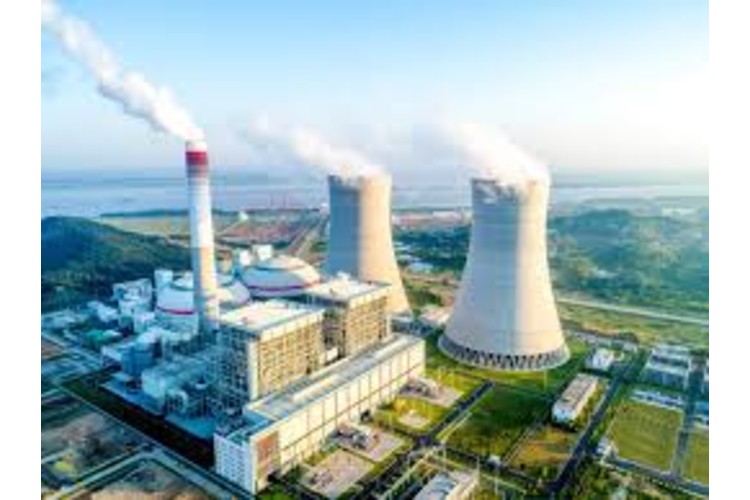
Geothermal plants tap into this underground heat to generate electricity or provide direct heating applications. Unlike solar and wind energy, geothermal energy is available 24/7 and is not dependent on weather conditions. This makes it a highly reliable baseload renewable energy source.
There are three primary uses of geothermal energy:
- Electricity generation through steam-driven turbines
- Direct heating for homes, industries, and agriculture
- Geothermal heat pumps for cooling and heating buildings
For a country like India, where energy demand continues to surge alongside rapid urbanisation and industrialisation, geothermal energy offers a unique opportunity to diversify the clean energy mix.
India’s Geothermal Potential
India’s geothermal resources are mainly concentrated in tectonically active regions. The Geological Survey of India (GSI) has identified seven major geothermal provinces:
- Himalayan geothermal belt
- Sohana region in Haryana
- Cambay basin in Gujarat
- Son-Narmada-Tapi lineament
- Godavari basin
- Mahanadi basin
- Andaman and Nicobar Islands
Among these, the Puga Valley in Ladakh is considered India’s most promising geothermal site. Located in the Changthang region, Puga features boiling hot springs, mud pools, and geothermal reservoirs with temperatures reaching over 240°C beneath the surface.
Other notable geothermal regions include:
Manikaran, Himachal Pradesh
Famous for its hot springs and religious tourism, Manikaran has long demonstrated geothermal activity suitable for small-scale heating and energy applications.
Tattapani, Chhattisgarh
This geothermal site has attracted attention for both tourism and potential direct-use applications.
Cambay Basin, Gujarat
An industrially significant region with possibilities for geothermal-assisted industrial heating.
Bakreswar, West Bengal
Known for naturally occurring hot springs with therapeutic and geothermal potential.
Andaman & Nicobar Islands
The volcanic geology of the islands offers long-term geothermal exploration opportunities.
India’s geothermal resources are especially significant because they can provide stable renewable power in remote regions where grid connectivity is difficult and diesel dependence remains high.
Why Geothermal Energy Matters for India
1. Baseload Renewable Power
One of the biggest challenges with renewable energy is intermittency. Solar energy generation drops at night, and wind energy fluctuates depending on weather patterns. Geothermal energy, however, operates continuously.
This makes geothermal power an ideal complement to India’s renewable energy ambitions, particularly as the country seeks grid stability while increasing renewable penetration.
2. Reduced Carbon Emissions
Geothermal plants emit significantly lower greenhouse gases compared to fossil fuel-based power plants. According to the U.S. Department of Energy, geothermal power plants emit nearly 99% less carbon dioxide than coal-fired plants.
For India, which remains heavily dependent on coal for electricity generation, geothermal energy can support long-term decarbonisation goals.
3. Energy Security
India imports a substantial portion of its oil and gas requirements. Developing indigenous geothermal energy resources can reduce import dependency and strengthen national energy security.
4. Rural and Remote Electrification
Geothermal energy can provide decentralised power solutions for remote Himalayan regions, border areas, and islands where conventional infrastructure is difficult to establish.
5. Industrial Applications
Beyond electricity generation, geothermal heat can support:
- Food drying
- Greenhouse farming
- Dairy processing
- Aquaculture
- Textile industries
- Space heating
- Tourism and wellness industries
This opens opportunities for local economic development around geothermal zones.
The Puga Valley Opportunity
Among all geothermal prospects in India, Puga Valley stands out as the most strategically important.
Ladakh’s harsh winters and remote geography make energy access difficult and expensive. Diesel transportation to high-altitude areas is both costly and environmentally damaging. Geothermal energy could become a game-changing solution for the region.
The Indian government has periodically explored geothermal development in Puga. The region has seen feasibility studies by the Geological Survey of India, Oil and Natural Gas Corporation (ONGC), and various academic institutions.
Experts believe geothermal power from Puga could potentially supply electricity, district heating, greenhouse farming, and military infrastructure in strategically sensitive border regions.
Given Ladakh’s growing focus on renewable energy and sustainable infrastructure, geothermal energy may soon move from experimental studies to commercial deployment.
Challenges Slowing India’s Geothermal Journey
Despite strong potential, geothermal energy development in India faces several barriers.
High Initial Costs
Geothermal exploration requires expensive drilling and geological surveys. Unlike solar or wind projects, geothermal investments involve significant upfront risk because underground conditions remain uncertain until drilling begins.
Limited Policy Support
India currently lacks a dedicated national geothermal energy policy. Most renewable energy incentives have focused on solar, wind, hydro, and bioenergy.
Without targeted incentives, private investors remain cautious.
Technology Gaps
India has limited domestic expertise in geothermal drilling, reservoir management, and geothermal plant operations. Collaboration with global geothermal leaders may be necessary.
Geological Risks
Not every geothermal site becomes commercially viable. Reservoir temperatures, rock permeability, and underground fluid dynamics can affect project economics.
Environmental Concerns
While geothermal energy is relatively clean, improper drilling or fluid management can lead to land subsidence, water contamination, or minor seismic activity if not carefully monitored.
Global Lessons India Can Learn From
Several countries offer valuable lessons for India’s geothermal ambitions.
Iceland
Iceland transformed geothermal energy into a national asset. Today, geothermal resources power homes, industries, swimming pools, and tourism infrastructure.
Kenya
Kenya has become Africa’s geothermal leader, generating nearly half of its electricity from geothermal sources. Government support and international financing played a critical role.
Indonesia
With volcanic geography similar to some Indian regions, Indonesia aggressively expanded geothermal capacity to reduce fossil fuel dependence.
United States
Advanced drilling technologies and private-sector innovation helped the U.S. become the world’s largest geothermal power producer.
India can adapt these global models while building region-specific geothermal strategies.
The Role of Policy and Investment
For geothermal energy to scale meaningfully in India, policy intervention will be essential.
Some important steps could include:
- Launching a National Geothermal Mission
- Offering viability gap funding for exploration
- Creating geothermal-specific renewable purchase obligations
- Encouraging public-private partnerships
- Supporting R&D and pilot projects
- Providing tax incentives for geothermal infrastructure
- Facilitating international technology collaborations
Institutions such as ONGC, NTPC, Oil India Limited, and private renewable energy developers could play a crucial role in early-stage deployment.
India’s growing startup ecosystem may also find opportunities in geothermal mapping, drilling technologies, and industrial heat applications.
Geothermal and India’s Net-Zero Future
India has committed to achieving net-zero emissions by 2070. While solar and wind will dominate the transition, geothermal energy can serve as a critical supporting pillar.
Its ability to provide continuous renewable power makes it particularly valuable for:
- Data centers
- Manufacturing clusters
- Defense infrastructure
- Smart cities
- Green hydrogen production
- Cold-climate regions
As renewable energy systems evolve, geothermal energy may also support hybrid energy models integrated with solar, battery storage, and hydrogen systems.
The technology may still be at an early stage in India, but the long-term strategic importance is undeniable.
Conclusion
India’s geothermal energy story is still largely unwritten. Beneath the country’s mountains, volcanic regions, and geothermal belts lies an immense reservoir of clean, stable, and indigenous energy waiting to be unlocked.
At a time when energy security, sustainability, and industrial competitiveness are becoming central to economic growth, geothermal energy offers India an opportunity to diversify beyond conventional renewable sources. Its promise lies not only in electricity generation but also in enabling resilient local economies, supporting remote communities, and reducing long-term carbon emissions.
The path ahead will require policy clarity, technological partnerships, investment confidence, and sustained exploration efforts. But if India can successfully harness even a fraction of its geothermal potential, it could reshape the country’s renewable energy landscape in the decades ahead.
In the race toward a cleaner energy future, the next big breakthrough for India may not come from the sky or the wind — but from the immense power hidden deep beneath the Earth itself.