


India’s agriculture sector is the backbone of its economy, employing a significant portion of the population and ensuring food security for the nation. However, traditional farming practices have long been associated with environmental concerns, including greenhouse gas emissions, soil degradation, and excessive fuel consumption. To address these challenges and promote sustainable farming, governments around the world are actively encouraging the adoption of electric tractors in agriculture. In this article, we will explore the policies and incentives that the Indian government is implementing to encourage the transition to electric tractors in agriculture.
THE CASE FOR ELECTRIC TRACTORS
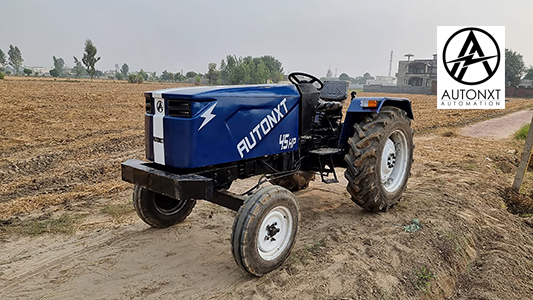
Electric tractors are a promising solution to many of the issues plaguing conventional agriculture. They offer several advantages that make them a compelling choice for farmers and policymakers alike:
Environmental Imperatives: India faces a dual challenge in its agricultural sector: the need for increased productivity to feed its growing population and the necessity to reduce environmental impact. The transition to electric tractors aligns with broader efforts to combat climate change and reduce greenhouse gas emissions. Agriculture is a significant source of emissions, and the shift towards electric machinery can play a crucial role in achieving carbon neutrality in the sector.
Cost Savings: Electric tractors are more energy-efficient and have lower operational costs than their diesel counterparts. With the rising cost of fossil fuels, electric tractors can help farmers save money on fuel and maintenance, making agriculture more financially sustainable.
Reduced Noise Pollution: Electric tractors are quieter than their diesel counterparts, minimizing noise pollution and creating a more pleasant environment for both farmers and rural communities.
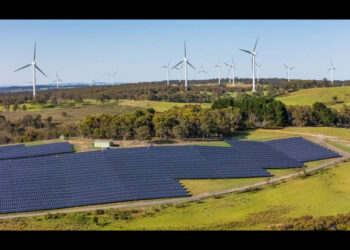
Energy Independence: Electric tractors can be powered by renewable energy sources, reducing dependence on fossil fuels and making farming more resilient to fluctuations in oil prices.
GOVERNMENT INITIATIVES TO PROMOTE ELECTRIC TRACTORS
Governments are recognising the potential benefits of electric tractors and are implementing a range of policies and incentives to encourage their adoption in agriculture. Some of these initiatives include:
Financial Incentives: To facilitate the transition to electric tractors, the Indian government has introduced several financial incentives. These incentives include subsidies, grants, and tax benefits aimed at reducing the upfront cost of electric tractors. By making electric tractors more affordable, the government aims to encourage more farmers to invest in this eco-friendly technology.
Tax Credits: Tax incentives and credits can significantly reduce the overall cost of electric tractors, making them more attractive to farmers. These tax breaks can apply to both the purchase of the tractors and any necessary charging infrastructure.
FAME Scheme: The Faster Adoption and Manufacturing of Hybrid and Electric Vehicles (FAME) scheme, launched by the Indian government, extends its benefits to electric tractors. Under the FAME scheme, financial incentives are provided to manufacturers, dealers, and consumers of electric vehicles, including tractors. This initiative significantly reduces the cost of electric tractors and helps in accelerating their adoption.
Research and Development Funding: Government of India is allocating resources towards research and development of electric tractor technology. This includes funding for innovative projects aimed at improving the efficiency, range, and capabilities of electric tractors. By fostering innovation, governments aim to accelerate the development and adoption of advanced electric tractor solutions.
Infrastructure Development: A crucial aspect of transitioning to electric tractors is the establishment of a robust charging infrastructure. Indian government is investing in charging stations in rural areas and on farms to ensure that farmers have access to reliable and convenient charging facilities. This infrastructure development is essential for overcoming range anxiety and ensuring seamless adoption.
Regulatory Support: Clear and supportive regulatory frameworks play a pivotal role in fostering the adoption of electric tractors. The Indian government has been proactive in enacting policies that provide favorable conditions for the import, sale, and operation of electric tractors. Policymakers are revising regulations to facilitate the use of electric tractors, including updating safety and emission standards and ensuring that electric tractors are subject to reasonable and appropriate vehicle classification and taxation.
Public Awareness Campaigns: Governments are also conducting public awareness campaigns to educate farmers about the benefits of electric tractors and the available incentives.
Demonstration Projects and Pilot Programs: The government is initiating demonstration projects and pilot programs to showcase the benefits of electric tractors. These initiatives allow farmers to experience the advantages of electric technology firsthand, often through subsidised trials. By providing practical exposure, governments aim to build confidence in electric tractors among farmers.
Capacity Building: Transitioning to electric tractors requires skill development and training. The government is investing in programs to equip farmers and operators with the necessary knowledge and skills to operate and maintain electric tractors effectively.
Collaboration with Industry Stakeholders: Government agencies are collaborating with agricultural machinery manufacturers and industry associations to drive the development and deployment of electric tractors. These partnerships can lead to the creation of tailored solutions that meet the specific needs of farmers, thereby accelerating adoption.
Training and Education: Transitioning to electric tractors requires a certain level of knowledge and expertise. Governments are investing in training and educational programs to equip farmers with the skills needed to operate and maintain electric agricultural machinery. This support ensures that farmers can effectively utilize electric tractors to enhance productivity.
The Indian government’s efforts to promote the adoption of electric tractors in agriculture are critical for the nation’s sustainable development. Through financial incentives, research funding, infrastructure development, and regulatory support, India is taking significant strides toward making electric tractors a common sight in its farmlands. By collaborating with industry stakeholders, providing training, and creating a conducive policy environment, the government is empowering farmers to embrace this transformative technology. As these policies and incentives evolve, India’s agricultural sector is on the path to becoming both more productive and environmentally responsible.

Kaustubh Dhonde
The author is the Founder & CEO of AutoNxt Automation (www.autonxt.in ), India’s First electric tractor venture and an automation technology startup.v