


The North American electric vehicle (EV) market is on the cusp of significant growth, poised to reach an impressive USD 38.88 billion by 2034, up from USD 35.39 billion in 2025. This growth represents a compound annual growth rate (CAGR) of 1.05% from 2025 to 2034. Several key factors are driving this growth, including an escalating demand for eco-friendly vehicles, the rise of EV startups, and robust government initiatives that aim to enhance infrastructure and sustainability.
The market is shaped by a clear trend toward environmental consciousness, with consumers and businesses alike seeking ways to reduce carbon footprints. The global push for decarbonization has prompted not only traditional automotive giants but also a multitude of innovative startups to join the race toward producing efficient and environmentally friendly electric vehicles. Alongside this, investments into the EV charging infrastructure and new manufacturing plants are expected to further accelerate the adoption of electric vehicles across the continent.
A Booming Market: Key Growth Drivers
The increasing demand for electric vehicles is, in large part, driven by the growing need for cleaner transportation solutions. In North America, both the U.S. and Canada are seeing a rising number of consumers and businesses choosing EVs as their preferred mode of transport. This shift is influenced by the increasing awareness of climate change and the desire to reduce greenhouse gas emissions. EVs offer a cleaner alternative to traditional gasoline-powered vehicles, which has contributed to their growing popularity.
Another significant driver of growth is the influx of electric vehicle startups that are pushing the boundaries of innovation. These new players are introducing cutting-edge technologies, while traditional automotive manufacturers are also expanding their EV offerings. With advancements in battery technologies, including sodium-ion batteries, and hybrid powertrains, the market is well-positioned for further expansion. These developments are expected to provide a range of new opportunities for manufacturers to meet diverse consumer needs and preferences.
Government Support and Infrastructure Investment
In addition to private-sector investments, government initiatives play a crucial role in supporting the growth of the EV market in North America. Both the U.S. and Canada have implemented policies to encourage the adoption of electric vehicles, including tax credits, incentives, and subsidies for consumers purchasing EVs. In particular, the U.S. has been making significant strides to promote EV adoption at both the federal and state levels.
Canada is also showing a strong commitment to the EV sector, with substantial investments aimed at developing charging infrastructure and manufacturing facilities. In August 2025, the Canadian government announced a USD 25 million investment in further developing the EV ecosystem, a move that is expected to significantly boost EV adoption across the country.
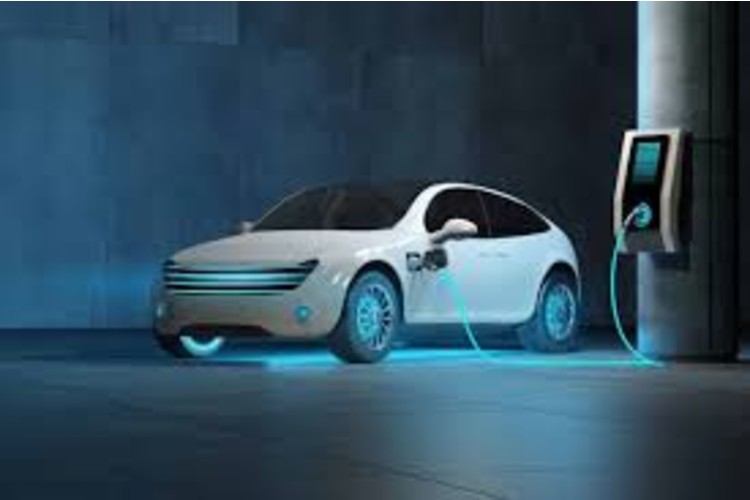
Moreover, the rapid investment in EV infrastructure, including the development of new EV manufacturing units and charging stations, will ensure that EVs are accessible and convenient for consumers. These initiatives are vital to overcoming one of the major hurdles to EV adoption—limited charging infrastructure. The continued expansion of fast-charging stations is particularly critical, as consumers demand faster and more reliable charging solutions to make long-distance travel in EVs a reality.
Market Breakdown and Regional Dynamics
The United States has consistently been the dominant player in the North American electric vehicle market, contributing around 80% of the market share. This is largely due to the country’s large population and high vehicle sales. However, Canada is expected to witness the highest growth rate during the forecast period, driven by the country’s strong government support and the increasing shift toward sustainable transportation options.
When analyzing the market by vehicle type, passenger cars hold the largest share, accounting for around 75% of the market. This is expected, given the popularity of EVs among private consumers. However, the heavy commercial vehicles (HCVs) and buses segment is expected to experience the highest growth rate, as cities and businesses turn toward electric buses and trucks for fleet operations, reducing emissions in urban areas.
The propulsion type breakdown reveals that battery electric vehicles (BEVs) currently lead the market with around 70% share. The rise of plug-in hybrid electric vehicles (PHEVs), however, is expected to gain momentum, thanks to their dual powertrains that offer flexibility for consumers who may still be concerned about range limitations.
In terms of battery types, lithium-ion batteries continue to dominate, capturing approximately 80% of the market. However, the solid-state battery segment is expected to rise rapidly, owing to its potential to offer higher energy density, faster charging, and improved safety compared to traditional lithium-ion batteries.
Future Outlook: A Transition to a Sustainable Future
Looking toward the future, several trends are expected to shape the North American electric vehicle market. A key development is the increasing range of electric vehicles, with more models now available that offer driving distances of over 300 miles on a single charge. As battery technology continues to improve, these ranges will only increase, making EVs an even more practical choice for consumers.
The continued focus on developing fast-charging infrastructure will also play a crucial role in driving EV adoption. With more convenient and widespread charging stations, particularly those offering fast-charging capabilities, consumers will experience less “range anxiety,” encouraging more to switch to electric vehicles.
Moreover, as government policies continue to evolve, we can expect further incentives and regulations designed to increase EV adoption. Both the U.S. and Canada are committed to reducing emissions and promoting sustainable technologies, which will likely lead to increased investment in EV technology and infrastructure.
Conclusion
The North American electric vehicle market is on the verge of a significant transformation. With rising demand for eco-friendly transportation, increased investments from both private and public sectors, and continuous advancements in battery and charging technology, the future looks promising for electric vehicles. As more consumers and businesses embrace EVs, and as governments continue to support the transition to a sustainable mobility ecosystem, the North American EV market is set to grow significantly in the coming years.
As we move toward 2034, the market will continue to evolve, driven by innovation and an increasing commitment to sustainability. The journey to a cleaner, more sustainable transportation system is well underway, and electric vehicles are at the heart of this exciting transformation.