


Rising Awareness of Clean Air and Safe Water
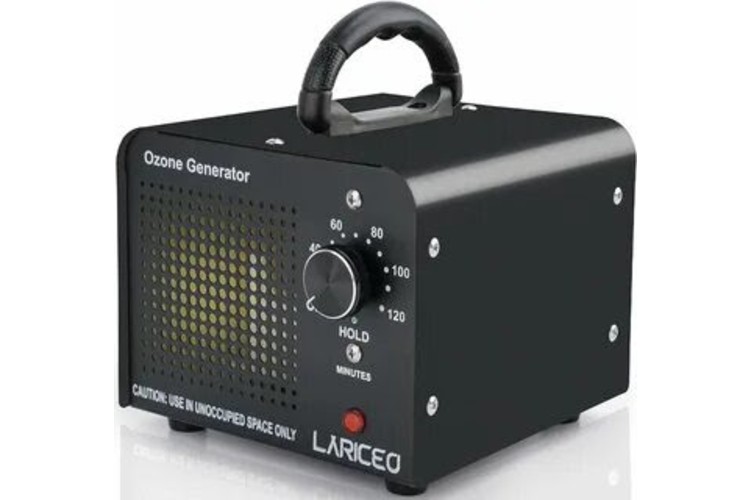
Air quality concerns and water safety are among the most pressing challenges of the 21st century. Rapid urbanization, industrial emissions, and climate change have worsened pollution levels in many regions, affecting millions of lives. Similarly, water contamination due to pathogens, industrial waste, and agricultural runoff poses long-term threats to human health. Against this backdrop, ozone generators provide a highly effective and chemical-free approach to sterilization. They generate ozone gas, a powerful oxidant, which neutralizes bacteria, viruses, and organic pollutants. This process ensures safe air and water without relying heavily on chlorine or other chemical agents, reducing harmful byproducts and enhancing sustainability.
Why Ozone Generators Outperform Traditional Purification Methods
Traditional purification methods such as chlorination or ultraviolet disinfection remain widely used but come with limitations. Chlorine treatment, for instance, often produces carcinogenic byproducts like trihalomethanes, while UV systems may struggle with residual effects. Ozone generators stand out because they leave no chemical residue—ozone naturally reverts to oxygen after use. Moreover, ozone is capable of neutralizing contaminants at a much faster rate than chlorine. This makes ozone technology highly efficient for large-scale applications such as municipal water treatment, hospital sanitation, and industrial wastewater management. With improved efficiency, lower environmental impact, and reduced operational costs over time, ozone generators have established themselves as superior alternatives to conventional systems.
Growing Role of Ozone in Water Treatment
Water purification remains one of the most impactful applications of ozone generators. Municipalities worldwide are increasingly adopting ozone treatment for drinking water due to its ability to eliminate bacteria, protozoa, and viruses without adding harmful chemicals. The food and beverage industry also relies on ozone to disinfect processing water, sanitize equipment, and maintain hygiene standards. In swimming pools, spas, and recreational water facilities, ozone has become a preferred solution because it reduces reliance on chlorine while delivering superior disinfection results. The Ozone Generator Market is therefore witnessing strong demand from sectors committed to clean water solutions that balance safety with sustainability.
Air Purification and Indoor Environment Applications
Indoor air pollution has emerged as a growing concern, particularly in densely populated urban regions. Volatile organic compounds (VOCs), allergens, mold spores, and pathogens are common pollutants that compromise indoor air quality. Ozone generators are increasingly used in commercial buildings, healthcare facilities, hotels, and even residential spaces to neutralize these contaminants. Beyond disinfection, ozone effectively eliminates odors caused by smoke, cooking, or industrial emissions, creating healthier and more pleasant indoor environments. Hospitals and clinics, in particular, benefit from ozone-based systems that reduce infection risks and improve patient safety. As the awareness of indoor air quality grows, the adoption of ozone-based purification technologies is accelerating across the globe.
Ozone Generators and the Sustainability Agenda
Sustainability is at the heart of global innovation, and ozone technology aligns closely with this objective. By minimizing chemical usage and avoiding harmful byproducts, ozone-based purification supports eco-friendly operations. Industries are under increasing pressure to reduce their environmental footprint, and ozone generators offer a pathway to compliance with stricter environmental standards. For instance, wastewater plants adopting ozone treatment can significantly reduce chemical discharge into ecosystems. Similarly, industrial facilities that integrate ozone into their air treatment systems contribute to lowering greenhouse gas emissions associated with traditional filtration or incineration methods. This growing alignment with sustainability initiatives is fueling the broader adoption of ozone purification technologies worldwide.
Technological Advancements Driving Market Growth
The Ozone Generator Market is also benefitting from continuous innovation. Modern ozone generators are more energy-efficient, compact, and easier to integrate with existing purification systems. Advances in cold plasma technology, dielectric barrier discharge systems, and AI-powered monitoring tools have improved ozone generation and control. These advancements are enabling tailored solutions for industries with specific purification needs. For example, cold plasma ozone systems are increasingly used in healthcare and food packaging due to their low energy consumption and reduced byproducts. Such innovations not only expand application areas but also enhance the reliability and scalability of ozone solutions, ensuring steady market growth.
Regional Adoption and Market Dynamics
Regional adoption of ozone purification technology varies, reflecting diverse environmental regulations and industrial requirements. North America and Europe lead in adoption, driven by stringent water safety standards and strong emphasis on air quality. Asia-Pacific, however, represents the fastest-growing region due to rapid industrialization, population growth, and urban pollution challenges. Countries like China, India, and South Korea are increasingly investing in ozone purification technologies to address pressing environmental and public health issues. Insights from Fairfield Market Research indicate that the convergence of stricter environmental policies and rising public health awareness will further drive regional adoption, making Asia-Pacific a key contributor to global market expansion.
Challenges and Considerations in Ozone Use
Despite its clear benefits, ozone technology faces challenges that need addressing. High initial investment costs can deter small-scale adopters. Moreover, improper handling of ozone concentrations can pose safety risks, requiring robust monitoring systems to ensure safe operation. Public awareness about ozone’s safe applications remains limited in some regions, creating misconceptions that hinder adoption. Overcoming these barriers will require collaborative efforts among manufacturers, regulators, and researchers to ensure widespread understanding of ozone’s advantages while ensuring safety protocols remain in place.
The Future of Purification with Ozone Generators
Looking ahead, ozone generators are poised to become an integral part of global water and air purification strategies. With governments, industries, and consumers demanding safer, cleaner, and more sustainable solutions, ozone technology stands as a reliable and proven choice. Continuous innovations, combined with growing regulatory pressure for eco-friendly solutions, will ensure widespread adoption in both developed and emerging economies. As the Ozone Generator Market evolves, the technology will likely expand into new applications, from agricultural disinfection to advanced medical sterilization, strengthening its role in global sustainability efforts.