


Gurugram, Haryana, India – As India’s monsoon season begins, concerns about EV safety often resurface. Here’s why electric vehicles like VinFast’s are designed to handle rain, flooding risks, and wet-weather charging more confidently than many drivers expect.
Every year, as the monsoon arrives across India, social media fills with images of flooded streets, waterlogged underpasses, and traffic inching through heavy rain. At the same time, many people considering an electric vehicle wonder whether EVs are safe and practical during the wettest months of the year.
Electric vehicles like VinFast’s are designed to handle rain, flooding risks, and wet-weather charging more confidently than many drivers expect
Part of this concern comes from something most of us learned growing up: electricity and water do not mix. Whether it was warnings about household appliances near water or stories about electrical accidents during storms, the message was clear. Yet modern electric vehicles are engineered very differently from household electronics.
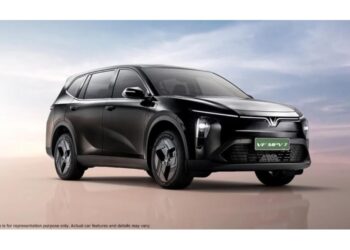
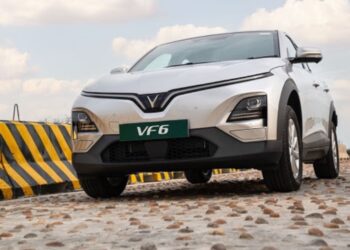
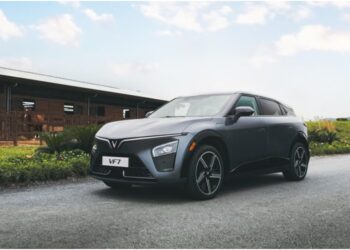
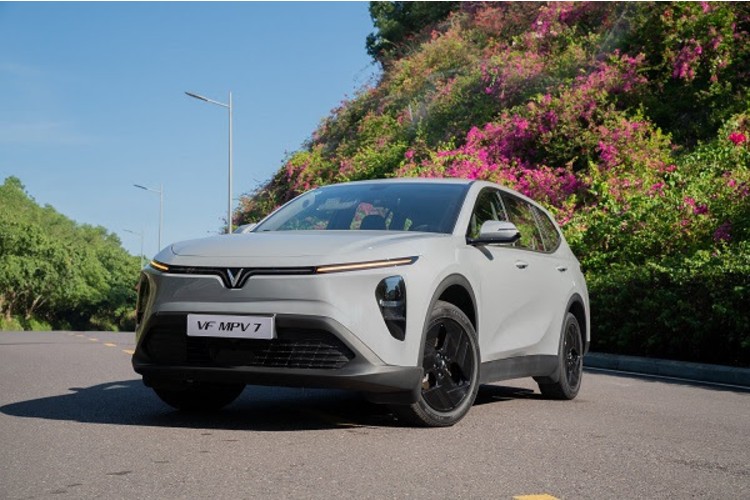
With models such as the VF 6, VF 7, and VF 7 MPV now available in India, many prospective EV buyers are asking whether electric vehicles can handle the country’s challenging monsoon conditions. The good news is that many of the common concerns surrounding EVs and rain are based more on myth than reality.
Is There Danger in Driving an EV in the Rain?
Driving in the rain is always more challenging because of slippery roads, reduced visibility, and longer stopping distances. However, EVs do not introduce any additional risks simply because they are electric.
Modern EV battery packs, high-voltage cables, and electrical systems are carefully sealed and insulated from the outside environment. These vehicles also undergo extensive testing under demanding weather conditions, including exposure to heavy water spray from multiple directions.
Electric vehicles are no more likely to be struck by lightning than conventional vehicles. Like any modern car, the vehicle’s structure is designed to direct electrical current around the passenger compartment, helping protect occupants in the unlikely event of a lightning strike.
Are EVs More Likely to Hydroplane?
Hydroplaning occurs when a layer of water forms between a vehicle’s tires and the road surface, reducing traction and making steering or braking more difficult. Factors such as tire condition, road quality, speed, and water depth all play important roles.
In fact, EVs may have certain advantages in these conditions. Because the battery pack is mounted low within the vehicle structure, EVs typically have a lower center of gravity and greater overall weight than comparable internal combustion vehicles. This can contribute to improved stability and stronger tire contact with the road surface.
That does not mean drivers can ignore monsoon safety precautions. The same rules apply regardless of what powers the vehicle. Reduce speed, leave extra space between vehicles, brake gently, and avoid areas where standing water has accumulated.
Can You Drive an EV Through Flooded Streets?
It is never a good idea to drive any vehicle through deep floodwater. During India’s monsoon season, flooded roads can hide potholes, open drains, debris, or damaged road surfaces that pose risks to both drivers and vehicles.
However, EVs are generally less susceptible to stalling from water ingress because their drivetrains are fully sealed. Unlike conventional vehicles, electric powertrains do not rely on air intakes, exhaust systems, or fuel delivery systems that can be affected by water entering the vehicle.
VinFast’s battery systems and high-voltage components are designed with multiple layers of protection and safety monitoring. The company also backs its vehicles with long-term warranty coverage. For example, the VF 7 MPV comes with a 10-year battery warranty, a 7-year vehicle warranty, a 5-year suspension warranty, and a 7-year paint warranty, helping provide added confidence for Indian families navigating a wide range of road and weather conditions.
That said, no vehicle should be driven through deep floodwater unless specifically designed for such conditions. If roads are significantly flooded, the safest option is always to wait or choose an alternative route.
Can You Charge an EV in the Rain?
Yes.
Unlike household electrical plugs, EV charging systems are specifically engineered for outdoor use. Charging ports and connectors are designed with weather-resistant protection and undergo rigorous testing to ensure safe operation in rain and wet conditions.
Before charging begins, the vehicle and charger communicate electronically to verify that a secure connection has been established. If any fault or irregularity is detected, power flow is automatically interrupted.
For Indian EV owners, this means charging during the monsoon is generally no different from charging on a dry day, provided approved charging equipment is used according to manufacturer guidelines.
While home charging remains a convenient option, public charging infrastructure is also designed to operate safely in varying weather conditions, including the heavy rainfall that accompanies India’s monsoon season.
The Bottom Line
The arrival of the monsoon often raises questions about EV ownership, but modern electric vehicles like VinFast’s are engineered with wet-weather operation in mind. After all, VinFast vehicles are developed in Vietnam, a Southeast Asian country where heavy rainfall and distinct wet seasons are part of the driving environment. Their batteries and electrical systems are extensively protected, charging equipment is designed for outdoor use, and they are tested to handle challenging environmental conditions.
For Indian drivers, the same principles apply regardless of the type of vehicle being driven: slow down in heavy rain, avoid flooded roads whenever possible, and prioritize safety. The technology inside today’s EVs is already designed to handle the weather outside.