



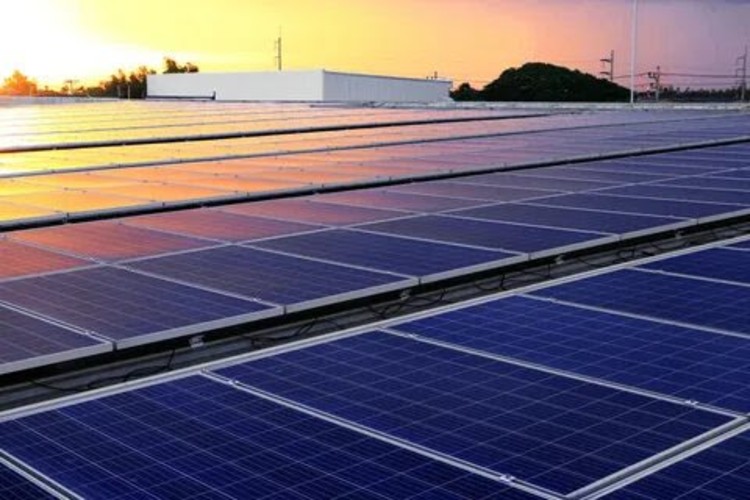
As global energy demand soars and climate concerns intensify, the shift toward sustainable power generation has become inevitable. Among renewable solutions, Rooftop Solar PV systems stand out as one of the most transformative technologies reshaping both residential and commercial energy landscapes. These systems are democratizing access to clean energy, reducing electricity costs, and fostering energy independence across the globe. According to Fairfield Market Research, the Rooftop Solar PV Market is witnessing a paradigm shift driven by favorable government incentives, technological advancements, and declining installation costs.
The New Era of Decentralized Energy
Traditional energy systems rely heavily on centralized power plants that transmit electricity across vast networks, often resulting in transmission losses and inefficiencies. Rooftop Solar PV systems, by contrast, decentralize energy production. Homes, schools, factories, and office buildings can now become micro power stations, generating their own electricity and even feeding excess power back into the grid.
This decentralized model enhances grid resilience and empowers consumers to play an active role in the clean energy ecosystem. It also mitigates peak load pressures on utilities, especially during high-demand periods. The result is a more stable, efficient, and sustainable energy infrastructure.
Cost Efficiency and Energy Independence
One of the most compelling reasons for the rapid adoption of Rooftop Solar PV systems is cost efficiency. Over the past decade, the price of solar panels has dropped by more than 80%, while energy storage costs continue to decline. This affordability has made solar installations accessible to homeowners and small businesses alike.
For residential users, solar panels can offset up to 70–90% of electricity bills, depending on system capacity and sunlight availability. For commercial facilities, the savings are even more significant given their high energy consumption patterns. Moreover, businesses can benefit from accelerated depreciation, tax credits, and green financing schemes offered by governments to encourage adoption.
Energy independence is another major advantage. Rooftop solar systems reduce reliance on grid power, insulating users from fluctuating electricity tariffs and potential supply disruptions. With the addition of storage systems, buildings can operate autonomously during power outages—ensuring uninterrupted productivity and comfort.
Technological Innovations Fueling Market Expansion
The ongoing technological evolution in the Rooftop Solar PV Market is a key driver of adoption. Advanced materials, smart inverters, and AI-driven monitoring systems have enhanced the efficiency and performance of solar installations. Modern PV modules now convert sunlight into electricity with efficiencies exceeding 22%, a substantial improvement from earlier generations.
Additionally, bifacial panels, which capture sunlight from both sides, and building-integrated photovoltaics (BIPV), which embed solar cells into construction materials, are expanding design flexibility and space utilization. The integration of IoT and AI enables real-time energy management, predictive maintenance, and performance optimization, further lowering operational costs and improving return on investment.
Government Policies and Incentives Driving Adoption
Global and national policy frameworks have played an instrumental role in expanding the Rooftop Solar PV Market. Governments across regions are offering capital subsidies, feed-in tariffs, and net-metering policies to make solar adoption financially viable.
For instance, India’s PM Surya Ghar: Muft Bijli Yojana aims to install rooftop solar in 10 million households, offering free electricity up to 300 units per month. Similarly, in the United States, the Investment Tax Credit (ITC) allows homeowners and businesses to deduct a percentage of installation costs from their federal taxes. In Europe, countries like Germany and the Netherlands have established feed-in tariffs that reward consumers for exporting surplus power to the grid.
These incentives are not only making rooftop solar more affordable but also driving large-scale participation across residential, commercial, and industrial sectors.
Rooftop Solar in the Commercial Sector: A Competitive Edge
For commercial enterprises, solar adoption extends beyond sustainability—it’s a strategic investment. Rooftop Solar PV systems enhance brand reputation by demonstrating corporate responsibility and alignment with global ESG (Environmental, Social, and Governance) goals.
Warehouses, shopping malls, hospitals, and educational institutions are among the largest adopters, leveraging vast roof spaces to generate clean power. These installations help offset operational expenses, stabilize long-term energy budgets, and reduce carbon footprints. Moreover, businesses that adopt solar early often gain competitive advantages through lower energy costs and improved stakeholder perception.
The Role of Energy Storage and Smart Grids
The integration of battery storage is revolutionizing how Rooftop Solar PV systems operate. Energy storage systems allow users to store surplus power generated during the day for use at night or during outages, maximizing self-consumption and reliability.
The rise of smart grids complements this trend by enabling two-way energy communication between users and utilities. Consumers can sell unused power back to the grid, creating new revenue streams and improving grid flexibility. This synergy between storage and smart grids represents a major leap toward a decentralized, intelligent energy future.
Urban and Rural Synergies in Solar Adoption
While cities lead the way in early adoption, rural areas hold immense potential for rooftop solar growth. In regions where grid connectivity is weak or nonexistent, solar PV systems provide a reliable and sustainable power alternative.
Microgrids powered by rooftop solar installations are improving energy access in remote areas, supporting local businesses, schools, and healthcare centers. As battery storage and microgrid technologies become more affordable, rural electrification through rooftop solar is set to accelerate, bridging energy gaps and supporting economic development.
Sustainability and the Global Carbon Footprint
The environmental benefits of rooftop solar systems are profound. Every kilowatt-hour of solar electricity generated reduces greenhouse gas emissions by offsetting fossil fuel-based power. Widespread adoption could cut millions of tons of CO₂ annually, contributing significantly to national and global climate targets.
According to Fairfield Market Research, the Rooftop Solar PV Market plays a pivotal role in achieving carbon neutrality goals under frameworks like the Paris Agreement. With the global emphasis on renewable energy transition, rooftop solar is set to remain a cornerstone of sustainability strategies worldwide.
Challenges and the Road Ahead
Despite remarkable progress, certain challenges persist. High upfront costs, limited financing options, and structural limitations in older buildings can slow adoption. Moreover, inconsistent policy frameworks and lack of awareness in developing regions remain barriers.
However, with continuous innovation, expanding policy support, and falling costs, these challenges are being steadily overcome. Financial institutions and solar developers are introducing innovative leasing and power purchase agreements (PPAs) to make solar adoption accessible to a wider audience.