



For a long time, the cost of energy consumption was seen as an invariable component of business expenditure. That view is changing as energy efficiency becomes an integral part of on-site infrastructure. Businesses today also have greater visibility and technological control over how energy use can be optimised for business impact. As markets become more competitive and sustainability expectations rise, energy can no longer be seen as just a utility line item. Its potential as a strategic lever for growth must be recognised.
Finding the Hidden Margin
Energy efficiency often gets overlooked as a driver of profitability. Every rupee saved on a kilowatt-hour directly adds to the Net Operating Income of a business property.
This efficiency comes from investing in reliability. Systems that run efficiently run cooler, last longer, and demand fewer emergency repairs. Reducing that emergency repair cost has a real impact on the balance sheet by cutting downtime, extending asset life, and improving on-ground experience.
Gaining a Competitive Edge
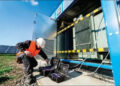
Organisations that genuinely pursue energy efficiency goals are now equipped to monitor energy loads in real time. Modern facilities do this by deploying intelligent retrofits with integrated sensors, IoT devices, and AI-based analytics.
These predictive monitoring tools help identify anomalies early, balance the load, and prevent costly breakdowns. In the long run, this gives a distinct market advantage by setting the company apart, not as trend chasers but true pioneers in the sustainability space.
Positioning for Long-term Growth
The obvious benefit of smarter energy use is its impact on reducing carbon footprint. In a low carbon economy, that becomes a powerful proposition.
Today, economic growth is becoming increasingly decoupled from greenhouse gas emissions. Investors are intensifying their ESG scrutiny because it signals a business with governance discipline and operational foresight. This is why smarter energy use needs to be looked at as more than a compliance checkbox.
It is about staying competitive in a world where carbon intensity increasingly affects reputation and access to capital. It is about positioning the organisation for long-term growth through customer, talent, and investor confidence alike.
Turning Cost Centres into Profit Centres
One of the often forgotten overlooked contributors to energy consumption is waste generation. From collection and transportation to treatment and disposal, every stage carries an energy cost. By building a strong and sustainable waste management chain, organisations can significantly improve their energy efficiency and reduce their overall carbon footprint. This involves a green overhaul of how you handle, treat, and dispose of waste. With a robust waste-to-energy process in place, it is possible to recover valuable resources and go beyond waste management to energy and revenue generation.
This efficiency is now expanding today into production. Rooftops across India’s industrial and commercial hubs are beginning to turn into profit centres through solar generation and net metering. By producing renewable power and selling the excess back to the grid or banking it for credits, organisations are hedging against volatile non-renewable energy costs. Renewable power also ensures protection from energy disruptions and grid instability. For organisations that own large infrastructures, this control is invaluable. It safeguards productivity and long-term value.
Shaping a Greener, More Profitable Future
The conversation around energy has moved far beyond compliance. For progressive businesses, efficiency is not a reporting metric. It is a growth engine.
As India accelerates its renewable transition, the most competitive organisations will be those that treat energy management as both a financial and operational strategy. They will be the ones turning data into decisions, infrastructure into assets, and watts into profits.