


From its diverse applications, the aluminium industry accounts for around 2-3% of worldwide greenhouse gas emissions every year. But it also strives to minimize its carbon footprint and become greener. It involves reduction of emissions, efficient use of energy, and enhancements in recycling. Here are six innovations that can make the industry more sustainable and help meet global environmental goals.
1. Advanced Recycling Techniques
At the heart of the aluminium industry’s operations are recycling, since processes for recycling absorb as much as 95% less energy than in the production of the same amount of new aluminium. Improving methods of recycling is critical because the industry is working to push towards carbon neutrality. Innovations include ultra-pure recycled aluminium, which helps in removing impurities from recycled materials and, therefore, helps to increase the quality of aluminium that can be used in such new markets as electric vehicles. Such upgrading also facilitates recycling, thereby saving energy while reducing its carbon footprint.
2. Digitization
Digitization happens to be an important contributor to the industry as it allows it to be much more efficient and less wasteful using advanced technologies. This allows companies to track operations instantaneously, know when maintenance might be needed, and consume less energy by incorporating useful technologies like AI into their production lines. Manufacturers can make fewer mistakes, or errors, by becoming less wasteful in their manufacturing process, by increasing precision using automation and robotics. These modern solutions are indeed making an industry more productive, but are also directly reducing the environmental footprint of the entire industry, hence making operations smarter and sustainable.
3. Decarbonizing Energy Sources
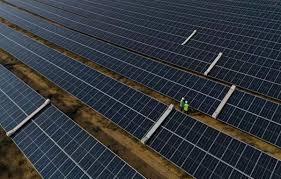
The aluminium industry has long faced Sustainability challenges due to its energy-intensive production processes. Be it the primary aluminium manufacturers that mine aluminium from the earth, the secondary segment that adds some level of value, or the downstream segments that produce aluminium extruded and rolled products – energy consumption and CO2 release have been significant concerns for the environment advocates. These corporates, however, are leading the path to carbon neutrality. Take an example of India’s Largest Aluminium extrusion company – Jindal Aluminium. Since installing Karnataka’s first private wind energy facility in 1997, the company has expanded to 50.8 MW of wind energy across Karnataka and Andhra Pradesh and added 30 MW of solar power capacity. What impact does this have? By powering its extrusion and rolling operations with renewable energy, Jindal Aluminium significantly reduces its environmental impact, reflecting the industry’s broader shift toward cleaner, more sustainable practices. Referring to their social media, during 2023-24, they reduced carbon emissions by 45,000 tonnes—the equivalent of the annual CO₂ absorption of 1.9 million trees.
4. Hydrogen as a Clean Fuel
Hydrogen promises to be a clean alternative substitute for natural gas. There are already processes underway to replace the highly energy-intensive process of calcination with hydrogen. This will automatically reduce emissions happening in the refining process. With this technology advancing further, the aluminium industry may now slowly get out of this dependency on carbon-based fuels and use environment-friendlier processes. Hydrogen will facilitate this industry in becoming a major harbinger for sustainability and the fight against global warming.
5. Inert Anode
Inert anodes have been a promising innovation in aluminium smelting since it ensures carbon dioxide emissions are not emitted in the process of electrolysis. With traditional aluminium methods whereby carbon anodes are used, carbon emissions are produced since they react with alumina to form CO₂. The inert anode brings forth only oxygen as a by-product; therefore carbon emissions are totally removed. It is still in the scaling phase, and this technology has huge potential to change the industry. Once fully capitalized on, it will be a critical contributor towards realizing the dream of net-zero emission by the industry.
6. Eco-Friendly Alternatives
Material corrosion is a severe challenge. It causes expensive downtime, safety risk increases and there may also be some serious environmental problems. As a measure of protection, time-honoured methods such as electroplating and powder coating do provide some help, but usually they rely on phosphates and chromates: chemicals that are bad for the environment. These chemicals can cause quite serious environmental damage. Recently, however, new greener coatings have emerged in research as superior alternatives for more lasting corrosion resistance. These solutions enhance sustainability while saving costs; they also reduce the frequent need to mend due to wear and tear. They, however, ensure high quality protection for metal surfaces in different industries.
Conclusion
The aluminium industry has continuously taken major steps toward better impacts on the environment. New sustainable practices and technologies are being followed in an attempt to deal with the current problems in a more profound way. Some avenues toward a greener and better future include improved recycling processes, use of technologies, and utilization of renewable resources. The sector should make way for more low-carbon solutions that in turn will make sure that it creates a cleaner, greener future for our planet.