



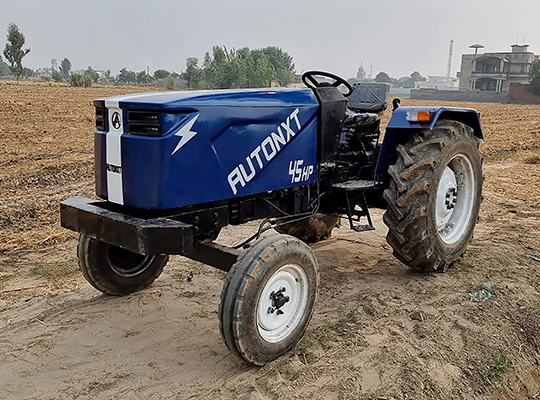
India, a country with a rich agricultural heritage, has been at the forefront of the global Green Revolution. This transformative movement, initiated in the mid-20th century, marked a turning point in Indian agriculture, significantly boosting crop yields and food production through the adoption of modern farming practices, including the use of high-yielding crop varieties, synthetic fertilizers, and pesticides. However, with the advent of the 21st century, there is a pressing need to reevaluate farming practices in light of environmental sustainability. One promising avenue is the integration of electric tractors into modern agriculture. In this article, we will delve into the advantages and challenges of adopting electric tractors in the Indian agricultural landscape.
Advantages of Electric Tractors in India
Environmental Sustainability
India faces immense environmental challenges, including air pollution, soil degradation, and water scarcity. Electric tractors, powered by electricity from renewable sources like wind, solar, or hydropower, have the potential to drastically reduce greenhouse gas emissions compared to their diesel-powered counterparts. This transition can significantly contribute to India’s efforts to combat climate change and improve air quality, particularly in densely populated agrarian regions. This means that they can operate with zero on-site emissions, reducing the carbon footprint of agriculture.
Cost Efficiency
Electric tractors offer long-term cost advantages. It has lower operating costs compared to their diesel counterparts. Although the initial investment may be higher, the lower operating and maintenance costs offset this over time. Additionally, farmers can benefit from various government incentives and subsidies aimed at promoting clean and sustainable agriculture, further reducing the financial burden.
Quiet Operation
Electric tractors are remarkably quiet when compared to their diesel counterparts. Reduced noise pollution on farms can lead to a better quality of life for farmers and neighboring communities. Additionally, the quiet operation can help reduce stress in livestock, potentially improving animal health and productivity.
Precision Agriculture
Electric tractors can seamlessly integrate with precision agriculture technologies, leveraging GPS-guided navigation and automated control systems. This enables precise planting, irrigation, fertilization and harvesting, ultimately leading to higher yields, resource optimization, and sustainable farming practices. This precision not only improves crop yields but also reduces resource wastage, making farming more efficient and sustainable.
Energy Independence and Grid Integration
India’s reliance on imported fossil fuels places a considerable strain on the economy. By transitioning to electric tractors, which can be charged using domestically generated electricity, India can enhance energy security and reduce its dependence on foreign oil. This shift aligns with the government’s vision of achieving self-reliance in various sectors, including agriculture. Electric tractors can serve as mobile energy storage units.
During periods of excess electricity generation from renewable sources, electric tractors can be charged, effectively storing energy for later use. Conversely, they can also provide power back to the grid during peak demand times, creating a symbiotic relationship between agriculture and the energy sector.
Rural Electrification
The introduction of electric tractors necessitates the development of rural electrification infrastructure. This investment not only supports the widespread adoption of electric tractors but also addresses a crucial aspect of rural development, providing access to reliable electricity for various household and agricultural needs.
Challenges of Electric Tractors in India
Charging Infrastructure
India’s vast and diverse agricultural landscape presents a significant challenge in terms of establishing a robust charging infrastructure. Many farms are situated in remote areas with limited access to reliable electricity grids. Investment in charging stations and off-grid solutions is imperative to facilitate the widespread adoption of electric tractors.
Limited Range
One of the significant challenges of electric tractors is their limited range compared to diesel-powered tractors. The battery technology used in electric tractors still struggles to match the energy density and range of diesel fuel. Farmers may need to plan their operations carefully to ensure that the tractor remains charged throughout the workday.
Affordability and Accessibility
While electric tractors promise long-term cost benefits, the initial investment can be a barrier for small-scale and marginalized farmers who may struggle to access financing options. Government support, subsidies, and innovative financing models are essential to ensure that this transition is inclusive and does not exacerbate existing disparities in the agricultural sector.
Technological Literacy
The successful adoption of electric tractors requires a certain level of technological literacy among farmers. Training and capacity-building programs are essential to familiarize them with the operation, maintenance, and potential troubleshooting of electric tractors. Ensuring that farmers are comfortable with this new technology is crucial for its widespread acceptance.
Battery Disposal and Recycling
Managing the lifecycle of batteries presents an environmental challenge. Proper disposal and recycling mechanisms need to be established to prevent potential pollution and health hazards. A comprehensive policy framework is essential to regulate the recycling and disposal of electric tractor batteries.
Power Supply Reliability
Farmers heavily rely on a consistent power supply for their operations. Interruptions in electricity availability, especially in remote rural areas, can disrupt farming activities. Robust backup power solutions or grid resilience measures may be necessary to address this challenge.
Conclusion
The integration of electric tractors holds immense potential for revolutionizing agriculture in India. While there are challenges to overcome, including establishing charging infrastructure and ensuring affordability, the long-term benefits in terms of sustainability, cost efficiency, and rural development are substantial. With strategic planning, policy support, and collaborative efforts between the government, industry, and agricultural communities, India can lead the way in harnessing electric tractors for a greener and more sustainable agricultural future.
About The Author:

Kaustubh Dhonde
The author is the Founder & CEO of AutoNxt Automation (www.autonxt.in ), India’s First electric tractor venture and an automation technology startup.