



The Solar Energy sector has emerged as a potential green technology to address climate change issues by reducing dependence on conventional fossil fuel-based energy. India has a target to install 100 GW of solar energy capacity with a commitment to increase the renewable sources-based energy capacity to 175 GW by 2022. Under this, 40 GW is the share of grid-connected solar PV rooftops in India.
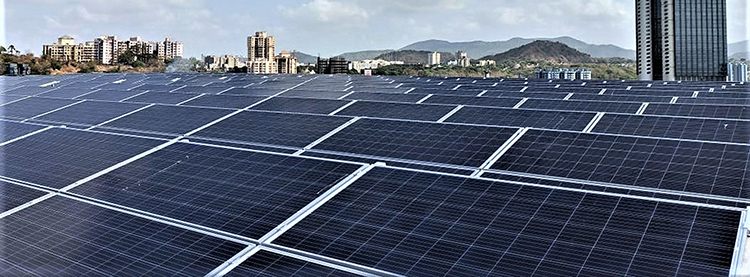
According to the Central Electricity Authority (CEA), between FY 2017 to FY 2019, the Commercial and Industrial (C&I) electricity demand rose at a compound annual growth rate (CAGR) of 5-6% whereas the grid tariff rose at 1-2% every year. The C & I segment consumes approximately 49% of the total electricity produced in the country. If we look at the solar adoption by C&I, it contributes 70 – 80% to the total installation of solar rooftop capacity. The driving force behind the adoption of rooftop solar in the C&I segment is the electricity costs which are up to 50% of their total expenses, therefore cutting such costs via solar is viable as it is sustainable, economical and at the same time gives tariff certainty for 25 years.

The government has announced several policies to promote solar energy. Under this policy, many direct and indirect tax benefits have been given such as exemptions from sales tax, excise duty and custom duty. As of 2020, India ranks 5th in the solar capacity addition across the globe compared to 10th rank in 2015. India has a significant C&I customer base which has a huge potential to contribute in an enormous way to achieve the 40 GW target. However, this onboarding is wrestling with many challenges: lengthy approval process across states, complex regulatory policies, unstructured grid connectivity criteria, lack of support from Discoms, lack of financial incentives, and many more. Few of the key policy challenges are:
Uncertain solar policy: Uncertainty in the solar policy is the major issue hindering the growth of solar in India. Discoms of different regions do not encourage net-metering and banking of power as they risk losing their high paying C&I consumers. The present solar policy varies from state to state and the process of procuring power across states is cumbersome, which acts as a barrier for the consumer. Policy changes cause uncertainty among all stakeholders and result in unnecessary delays. A Pro-consumer, lean and consistent solar policy is required to such issues which encourages investors and minimises the complex regulations.
Domestic solar panel manufacturing: The Government had introduced Domestic Content Requirement (DCR) under National Solar Mission (NSM)Phase I to support solar PV manufacturing in the country. Various incentives have been announced till date but the challenges that need to be addressed are unstable domestic market and weak industrial innovation competence. Also, looking at the cost at which panels are manufactured does not attract the developers as imported panels are available at a much economical rate. A better mechanism to address such issues needs to be developed.
Difficulties in Financing: Looking at the financing scenario in India, a vehicle loan is made available in a shortspan, the technology, which is unsustainable whereas, when it comes to financing solar projects it is opposite, getting a loan for solar project is difficult even when the technology is reliable and sustainable. Timely financing and clear policies will help in addressing this issue.
Lack of Expertise: There is shortage of skilled Engineer Procurement and Construction (EPCs). Therefore, training and upskilling the youth to meet the demands of a growing RE sector is a must. Expanding the MNRE’s Surya Mitra training programme and providing certification through empanelled institutions would play a critical role.
The C&I segment in solar energy is likely to aggressively adopt solar in the coming years. They contribute 6.1% of gross domestic product (GDP) and about 45% of total manufacturing output. The C&I rooftop solar segment is growing rapidly especially in the Indian market, but facing two fundamental issues, financing and regulatory uncertainty that must be tackled to speed up adoption in this segment. Policies must also be streamlined among India’s states. The market has been thrown into disarray by inconsistent and changing regulations. Furthermore, policies should not be retroactive and should not apply to projects that have already been commissioned. All modifications made as a result of new legislation and policies should only apply to new projects.
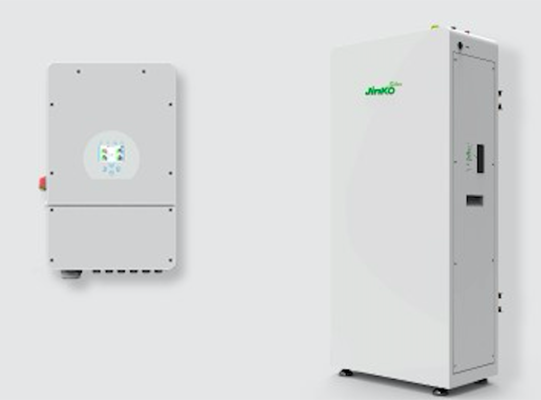
To meet India’s energy security and energy needs, distributed domestic generation is the key. 20 percent of all C&I installations would be connected to the grid, coupled with battery storage in the coming years. Many factors such as technological innovations, more cost-reflective time-of-day tariffs, smart meters, high-efficiency modules, and battery storage will drive the growth of this market. The government is also planning some large-scale investments intended to drive this market.
In the recently released Draft Electricity Amendment Act 2020, several progressive measures are proposed for the renewable energy sector, including the introduction of a pan-India renewable purchase obligation (RPO) with a strict penalty mechanism. Discoms and other large electricity customers are obligated to purchase a specific percentage of their power from renewable energy sources under these RPOs. These measures will provide a significant boost to the uptake of rooftop solar in the C&I segment.