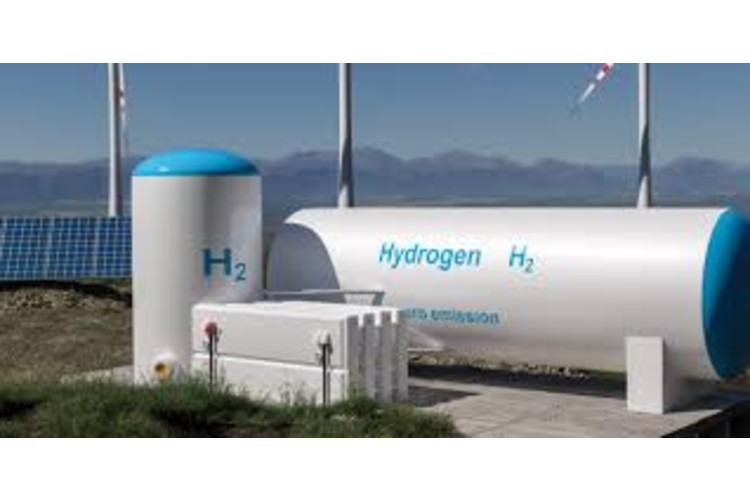
According to our Growth Market Report, the global hydrogen energy storage market size reached USD 16.2 billion in 2024, reflecting a robust expansion driven by rising investments in clean energy infrastructure and increased demand for efficient energy storage solutions. The market is projected to grow at a CAGR of 8.9% from 2025 to 2033, reaching an estimated USD 34.2 billion by 2033. This growth is underpinned by the accelerating global transition towards renewable energy sources, supportive government policies, and technological advancements that are making hydrogen storage more viable and cost-effective.
Introduction to the Hydrogen Energy Storage Market
The global energy landscape is undergoing a significant transformation as countries, industries, and communities work toward reducing carbon emissions and strengthening energy security. Among the various technologies supporting this transition, hydrogen energy storage has gained considerable attention for its ability to store large amounts of energy over extended periods. Unlike conventional battery systems that are typically suited for short-duration storage, hydrogen can preserve energy for days, weeks, or even months, making it a critical component of future renewable energy ecosystems.
As solar and wind power generation continues to expand worldwide, the need for efficient energy storage solutions is becoming increasingly important. Hydrogen energy storage addresses this challenge by converting surplus renewable electricity into hydrogen through electrolysis, storing it safely, and converting it back into electricity or using it directly as a fuel when needed.
What Is Hydrogen Energy Storage?
Hydrogen energy storage is a process that transforms excess electricity into hydrogen gas, which can be stored and utilized later. During periods of high renewable energy generation, electrolysis systems split water into hydrogen and oxygen. The hydrogen produced can be compressed, liquefied, or stored in underground facilities.
When energy demand increases or renewable generation decreases, the stored hydrogen can be converted back into electricity using fuel cells or gas turbines. This capability makes hydrogen a valuable medium for long-duration energy storage and grid stability.
Why Is Hydrogen Becoming Important in Modern Energy Systems?
One of the biggest challenges facing renewable energy is intermittency. Solar panels generate electricity only during daylight hours, while wind turbines depend on weather conditions. Hydrogen offers a practical solution by acting as a flexible energy carrier that can bridge supply gaps.
The technology also supports sectors that are difficult to electrify directly, including heavy industry, shipping, aviation, and long-distance transportation. As governments pursue net-zero emission targets, hydrogen is increasingly viewed as a strategic energy resource capable of supporting deep decarbonization efforts across multiple industries.
Key Drivers Accelerating Market Growth
Growing Renewable Energy Installations
The expansion of solar and wind projects worldwide is creating an urgent need for scalable energy storage systems. Hydrogen storage enables renewable energy producers to capture excess electricity that would otherwise be wasted and use it during peak demand periods.
Rising Investments in Green Hydrogen
Governments and private investors are directing substantial capital toward green hydrogen projects. Green hydrogen, produced using renewable electricity, is gaining popularity as nations seek sustainable alternatives to fossil fuels. Large-scale investments are helping improve infrastructure, reduce production costs, and accelerate commercialization.
Energy Security and Grid Resilience
Recent geopolitical developments and energy supply disruptions have highlighted the importance of energy independence. Hydrogen storage provides countries with a way to reduce dependence on imported fuels while enhancing grid reliability during emergencies and peak consumption periods.
Decarbonization of Industrial Operations
Industries such as steel manufacturing, chemicals, refining, and cement production account for a significant share of global carbon emissions. Hydrogen offers a cleaner alternative to conventional fossil fuels, making energy storage solutions increasingly important for industrial decarbonization strategies.
Technological Innovations Shaping the Market
Continuous advancements in hydrogen technologies are improving efficiency and reducing costs. Electrolyzers are becoming more effective at converting renewable electricity into hydrogen, while fuel cells are delivering better performance and durability.
Researchers are also developing advanced storage methods, including metal hydrides, liquid organic hydrogen carriers, and underground geological storage systems. These innovations aim to increase storage capacity, improve safety, and enhance the economic viability of hydrogen projects.
Artificial intelligence, digital monitoring systems, and smart grid integration are further supporting the optimization of hydrogen production and storage operations. These technologies help maximize energy efficiency and improve system management across complex energy networks.
Challenges Facing the Hydrogen Energy Storage Market
Despite its strong potential, the market faces several obstacles. High production and infrastructure costs remain significant barriers to widespread adoption. Electrolysis systems, storage facilities, and transportation networks require substantial investment before economies of scale can be achieved.
Safety considerations also play a critical role due to hydrogen’s unique properties. Effective handling, storage, and transportation standards must be maintained to ensure operational safety. Additionally, regulatory uncertainty and infrastructure limitations in some regions can slow project development.
Emerging Opportunities for Industry Participants
The transition toward clean energy presents significant opportunities across the hydrogen value chain. Equipment manufacturers, renewable energy developers, infrastructure providers, technology companies, and utility operators all stand to benefit from growing demand.
Hydrogen-powered transportation, industrial fuel switching, microgrids, and seasonal energy storage are expected to create new revenue streams. As costs continue to decline and technology matures, hydrogen energy storage may become an essential pillar of future global energy systems.
Future Outlook: The Next Decade of Hydrogen Storage
According to our Growth Market Report, The coming decade is expected to be transformative for hydrogen energy storage. Falling technology costs, supportive government policies, and expanding renewable energy capacity will likely accelerate market growth. Industry experts anticipate stronger integration between hydrogen production, storage, and consumption networks, creating a more flexible and resilient energy infrastructure.Hydrogen is increasingly moving beyond the experimental stage and becoming a practical solution for long-duration energy storage. As countries pursue ambitious climate targets and seek sustainable energy alternatives, hydrogen storage is poised to play a vital role in shaping the future of global energy.