The global shift toward sustainable transportation is redefining the way we extract, use, and conserve energy. At the heart of this transformation lies lithium — often referred to as the “white gold” of the energy revolution. From powering electric vehicles (EVs) to enabling large-scale energy storage solutions, lithium has become the backbone of the new mobility era. The Lithium Mining Market is witnessing unprecedented growth as automakers, governments, and investors align their strategies toward cleaner, battery-powered futures.
The Electrification Wave: Why Lithium Is in High Demand
The rise of electric mobility is more than a trend — it’s a structural change reshaping the global automotive industry. Lithium-ion batteries are the lifeblood of electric vehicles, offering high energy density, long life cycles, and faster charging capabilities. As EV adoption accelerates worldwide, the demand for lithium has skyrocketed.
According to recent analyses, the Lithium Mining Market has expanded rapidly due to surging battery demand from not just passenger EVs, but also electric buses, two-wheelers, and heavy-duty transport systems. Automakers like Tesla, BYD, and Volkswagen have already announced billion-dollar battery plans, creating a ripple effect across the upstream supply chain.
In essence, every new EV that hits the road symbolizes a growing need for mined lithium — a resource now deemed as strategically important as oil once was.
From Ore to Energy: Understanding the Lithium Supply Chain
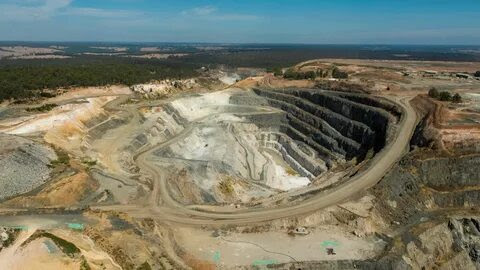
Lithium production starts with extraction, and the methods vary depending on the deposit type — primarily hard rock mining and brine extraction. Hard rock mining, common in Australia, involves mining spodumene ores that contain lithium-bearing minerals. Brine extraction, on the other hand, taps lithium-rich salt flats, known as salars, predominantly found in Chile, Argentina, and Bolivia — often called the “Lithium Triangle.”
However, traditional extraction processes are water-intensive and environmentally sensitive. That’s why innovative technologies like Direct Lithium Extraction (DLE) are emerging as sustainable alternatives. DLE technologies enable faster recovery rates, require less water, and minimize environmental impact, positioning them as the future of lithium supply.
Companies investing in DLE are reshaping the Lithium Mining Market, ensuring higher output while addressing ESG (Environmental, Social, and Governance) standards — now a non-negotiable for global investors.
Global Lithium Reserves: Mapping the New Energy Geopolitics
Lithium is no longer just a commodity; it’s a strategic resource shaping global energy policies. Countries rich in lithium deposits are gaining geopolitical importance. Australia remains the world’s largest producer, accounting for nearly half of global output. Latin American nations like Chile and Argentina are next in line, leveraging their vast salt flat reserves.
China, meanwhile, has built a dominant position in the refining and processing segment, turning raw lithium into battery-grade material. This dominance allows China to control a significant portion of the EV battery value chain, creating competitive challenges for Western economies.
In response, nations like the U.S., Canada, and members of the European Union are investing heavily in domestic mining and refining capabilities. Such efforts not only reduce import dependency but also support local EV manufacturing initiatives, fostering job creation and sustainable industrial growth.
Technological Advancements Transforming Lithium Extraction
Innovation is at the core of the lithium revolution. Advanced extraction methods, automation in mining, and AI-driven resource mapping are enhancing yield efficiency and reducing costs. Technologies such as geospatial analytics, autonomous drilling systems, and smart monitoring help miners identify high-quality lithium deposits faster.
Moreover, recycling of lithium-ion batteries is becoming a crucial secondary source of supply. Companies are establishing closed-loop systems where old EV batteries are repurposed, reducing pressure on new mining projects. By integrating circular economy principles, the lithium industry can move toward long-term sustainability without compromising growth.
This technological evolution is vital as the Lithium Mining Market prepares to meet soaring global demand while ensuring minimal environmental disruption.
Sustainability and ESG: The Core of Modern Mining Practices
The environmental impact of lithium extraction has sparked intense debate, pushing the industry to embrace sustainability as a core operational principle. Excessive water consumption in arid regions, chemical waste management, and land rehabilitation are key concerns.
Mining companies are now investing in low-impact technologies, renewable-powered operations, and partnerships with local communities. For instance, solar-powered brine evaporation, hybrid electric mining vehicles, and improved water recycling systems are helping reduce the carbon footprint.
Fairfield Market Research reports that ESG-focused lithium producers are likely to gain long-term competitive advantage as global investors and automakers increasingly favor responsible sourcing. Transparency and traceability are becoming essential to maintain brand credibility across the EV value chain.
Electric Mobility Revolution: Lithium’s Role in the EV Ecosystem
The electrification of transport is accelerating globally, with lithium-ion batteries at its core. The world’s leading EV manufacturers are securing lithium supply through long-term contracts and direct investments in mining operations.
Tesla, for instance, has established partnerships with lithium producers to ensure stable battery material supply. Similarly, companies like Ford, General Motors, and BMW are exploring joint ventures with miners to guarantee sustainability and cost control. This vertical integration trend strengthens the resilience of the EV ecosystem and ensures consistent access to raw materials.
The Lithium Mining Market is thus becoming an indispensable link between natural resources and modern mobility. Its evolution will directly dictate the pace and scale of the global transition to electric vehicles.
Government Policies and Strategic Investments Boosting the Sector
Governments worldwide are enacting policies to secure lithium supply chains. The U.S. Inflation Reduction Act (IRA), the European Battery Alliance, and Australia’s Critical Minerals Strategy all aim to localize production and strengthen energy security.
These frameworks incentivize exploration, streamline environmental clearances, and promote technology transfer. As a result, new lithium mining projects are emerging in previously underexplored regions such as Canada, Africa, and India. The financial ecosystem is also evolving — with green bonds, venture capital, and public-private partnerships fueling capital-intensive lithium ventures.
These policy-driven developments signify that lithium mining is no longer a niche activity, but a national priority tied to the broader climate action agenda.
Challenges Ahead: Supply Deficit and Environmental Constraints
Despite rapid progress, the lithium industry faces significant hurdles. A potential supply-demand gap looms as battery demand outpaces mining capacity. Establishing new mines can take 5–7 years due to complex regulatory approvals and environmental assessments.
Additionally, the sector faces public scrutiny over its ecological footprint, especially in sensitive ecosystems like South America’s salt flats. Balancing growth with sustainability will determine the long-term viability of lithium mining operations.
Continued innovation in recycling, alternative chemistries (like sodium-ion batteries), and efficiency improvements will play a crucial role in managing these challenges.
Powering a Cleaner Tomorrow
Lithium’s strategic importance is undeniable. It fuels electric mobility, powers renewable energy storage, and drives industrial innovation across sectors. As governments and industries intensify their decarbonization efforts, lithium will remain central to achieving net-zero ambitions.
The Lithium Mining Market is expected to continue expanding as demand for EVs, smart grids, and clean technologies rises. However, success will hinge on balancing economic growth with environmental responsibility. Companies that integrate sustainability, technology, and transparency into their operations will lead the next chapter of the energy transition.
In the words of Fairfield Market Research, the lithium revolution symbolizes humanity’s shift toward an electrified, sustainable, and resilient future — one where every mined ton of lithium brings us a step closer to clean mobility for all.