


As the world races toward a low‑carbon future, public policy and the surge in renewable energy adoption are reshaping battery technology — and accelerating the rise of the Solid‑state Battery Market. In this article, we explore how governments’ regulatory push, incentives, and green‑energy trends are paving the way for next‑generation battery solutions, and why, according to Fairfield Market Research, this sector is poised for a dramatic upsurge.
Governments Driving the Clean‑Energy Transition
Around the world, governments are increasingly deploying policies designed to reduce greenhouse‑gas emissions, encourage electric mobility, and support energy storage solutions. Such policies — ranging from subsidies and tax breaks to direct R&D funding — are creating favorable conditions for advanced batteries. According to one analysis, grants, subsidies, and tax incentives offered by governments across North America, Europe and Asia-Pacific are among the key factors fueling next‑generation battery adoption.
In regions where governments have adopted ambitious clean‑energy and electric‑vehicle (EV) targets, demand for high-performance, safer, and more efficient battery technologies has surged. That demand, in turn, fuels interest and investment in solid‑electrolyte technologies — the backbone of solid‑state batteries. As per Market & Data analyses, governmental initiatives supporting EV adoption, clean energy transitions, and battery research and development are a strong driving force behind growth in the Solid‑state Battery Market in Asia-Pacific and globally.
Green‑Energy Trends and Renewable Integration
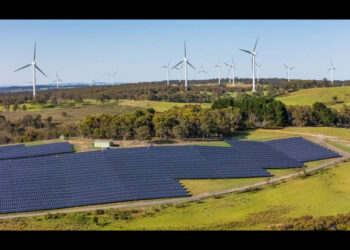
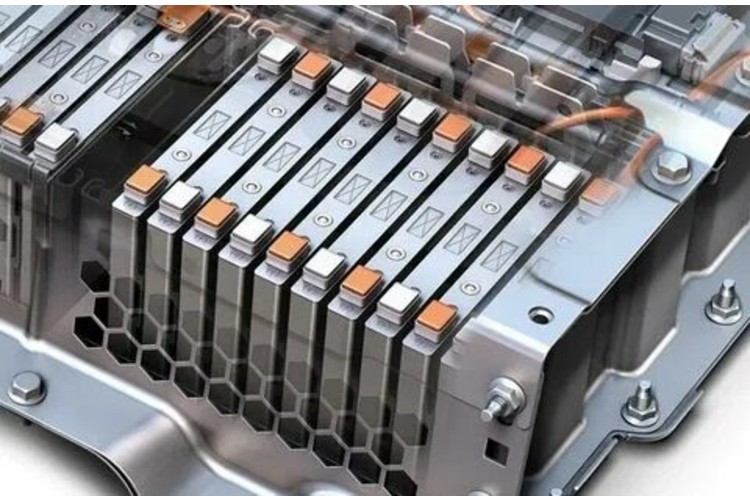
Another powerful driver is the broader global shift toward renewable energy. As countries ramp up deployments of solar, wind and other renewables, the need for advanced energy storage solutions becomes urgent. Traditional batteries might meet some demand — but the increasing variability of renewables calls for safer, higher-density, longer-lasting storage solutions. Solid‑state batteries, with their higher energy density and improved safety profile compared to conventional lithium-ion cells, are ideally suited for such applications.
This dynamic creates a virtuous cycle: as renewable installations grow, so does demand for robust storage — which in turn justifies further investment in next-generation battery research and commercialization. In many emerging economies, where energy demand and green‑power adoption are rising fastest, this trend is expected to significantly boost the Solid‑state Battery Market.
Government R&D Funding & Strategic Support for Innovation
Beyond subsidies for EV adoption or renewable integration, many governments have begun investing directly in R&D for advanced battery technologies — including solid-state. For example, recent estimates show that in China alone, government commitments for solid-state battery research exceed hundreds of millions of dollars. Similar funding, though on a smaller scale, is underway in North America and Europe under various clean‑energy and industrial innovation frameworks.
These investments help overcome the technical and manufacturability challenges that have long impeded the mass‑scale deployment of solid‑state battery tech. By supporting pilot plants, partnerships between automakers and battery developers, and supply‑chain localization (for solid electrolytes and other critical materials), governments play a foundational role in turning lab-scale promise into industrial-scale reality. As highlighted by recent market studies, such public‑private collaboration remains a major growth enabler for the Solid‑state Battery Market.
EV Policies — Catalyzing Demand for Solid‑State Batteries
In many countries, policies to accelerate EV adoption are helping create a large potential market for solid-state batteries. Subsidies, tax rebates, favorable regulations, and manufacturing‑linked incentives make it increasingly attractive for automakers to explore next‑generation battery tech.
Such EV‑promoting policies indirectly steer demand toward solid-state solutions, because as more EVs hit the road, automakers are under growing pressure to deliver safer, longer‑range, faster‑charging, and more sustainable battery systems. For example, energy‑storage for grid services, and high‑performance battery packs for EVs — both critical for future mobility and clean energy — stand to benefit strongly from solid-state technology.
Why the Solid‑State Battery Market Is Especially Positioned for Growth
Putting together government policy support, green‑energy momentum, and EV adoption, the Solid‑state Battery Market emerges as a clear winner in the next decade. According to research projections, the market’s growth trajectory looks steep, with demand increasing many‑fold as solid‑state solutions begin to scale and enter mainstream production.
What makes solid‑state appealing now is not just technological promise — but also the alignment between environmental imperatives, industrial policy, and consumer demand. As countries commit to net‑zero emissions targets, and as renewable energy and electric mobility become core components of national strategies, governments are incentivizing battery technologies that align with safety, sustainability, and performance goals. For stakeholders — from battery makers to automakers — this alignment lowers risk and increases the appeal of investing in solid‑state battery R&D and infrastructure. In that context, Fairfield Market Research expects that solid‑state batteries will move rapidly from niche research projects to mainstream battery platforms, becoming core to future mobility and storage systems.
Challenges Governments & Industry Must Still Address
Of course, government policies and green‑energy trends alone cannot guarantee immediate mass adoption. Solid‑state batteries still face technical challenges — scaling production, reducing cost, ensuring reliable long‑term performance, and building supply chains for solid electrolytes and advanced materials. But by offering policy support, subsidies, R&D incentives, and regulatory push toward clean energy, governments significantly lower the barrier for these challenges to be tackled at scale.
Moreover, as the regulatory environment tightens — with stricter emission standards, encouragement for domestic manufacturing, and incentives for sustainable battery supply chains — the economic case for solid‑state batteries becomes stronger. This will likely encourage more investments, collaborative ventures, and eventually — commercialization. As Fairfield Market Research highlights, the interplay between policy, demand, and technology development is what will drive the transformation of the Solid‑state Battery Market over the next decade.