


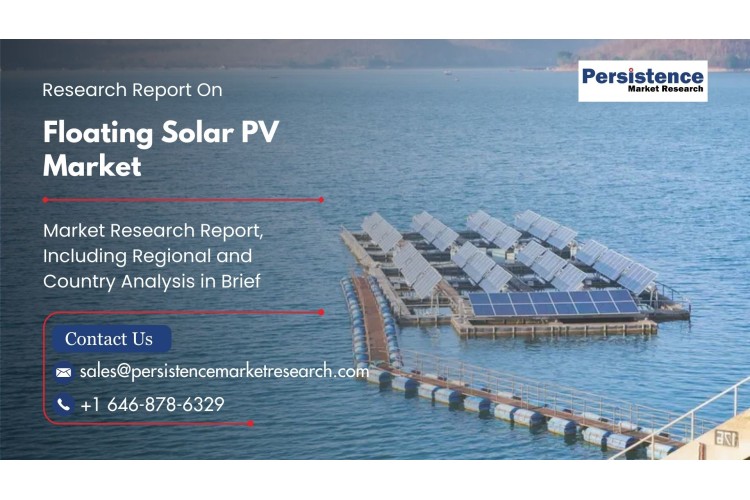
The floating solar PV sector is at the forefront of renewable energy transformation as nations, corporations, and research institutions push the boundaries of solar power generation. Unlike traditional ground-mounted solar arrays, floating solar PV systems allow photovoltaic panels to float atop lakes, reservoirs, and other water bodies — unlocking vast potential in regions with land scarcity and high solar energy demand. This unique approach to harnessing solar energy is driving a significant shift in how clean power is produced, particularly in densely populated regions where land use competition is intense. According to industry projections, the global floating solar PV market size is expected to be valued at approximately US$ 4.6 Billion in 2026 and grow dramatically to US$ 17.0 Billion by 2033 at a CAGR of 20.5%, underscoring the technology’s expanding global footprint and technological promise.
What Is Floating Solar PV and Why It Matters
Floating solar PV (photovoltaic) refers to solar panels mounted on buoyant structures that rest on bodies of water rather than on land. By utilizing water surfaces for solar deployment, this technology innovatively circumvents the land constraints that often limit renewable energy projects, especially in urbanized or agriculturally dense regions. This unique installation method enables developers to deploy high-capacity solar power plants without displacing productive terrestrial land or disrupting existing land use. As a result, floating PV systems have become a win-win solution for boosting renewable energy capacity while preserving valuable land for other essential purposes.
Beyond land savings, floating solar panels benefit from the water’s natural cooling effect, which can enhance photovoltaic efficiency and energy yield. The cooling effect reduces overheating of solar modules, thereby improving performance and potentially increasing their operational lifespan. Moreover, shading from floating arrays can reduce water evaporation — a compelling environmental advantage in regions grappling with water scarcity — illustrating how floating PV systems contribute not only to cleaner energy but also broader ecological sustainability.
Market Outlook and Rapid Growth Trends
The floating solar PV market is experiencing a period of explosive growth, backed by ambitious renewable energy targets and increasing cost competitiveness. Forecasts suggest the global market will reach US$ 17.0 Billion by 2033, with a robust 20.5% CAGR projected from 2026 to 2033, driven largely by acute land scarcity, abundant water bodies, and strong policy support for clean energy solutions. This rapid expansion illustrates the increasing confidence among governments, energy developers, and investors in floating PV’s ability to scale sustainably.
Emerging markets in Asia-Pacific — including India, China, and Southeast Asian nations — are poised to lead this growth, accounting for a significant portion of new capacity installations. The Asia Pacific region alone is expected to dominate global floating solar capacity, with cumulative installations projected to reach tens of gigawatts by the early 2030s. Such momentum is rooted in declining solar technology costs, improved anchoring systems, and the expansion of hybrid renewable infrastructure — such as pairing floating PV with hydropower reservoirs — which enhances grid stability and overall energy output.
Breakthrough Projects Around the Globe
Floating solar PV is no longer just a concept — it’s being deployed at scale around the world. In India, landmark installations such as the Omkareshwar Floating Solar Power Park signal ambitious clean energy commitments, with projects spanning hundreds of megawatts across dam reservoirs and man-made lakes. This solar park exemplifies how large, water-based PV installations can deliver substantial electricity generation with minimal land impact.
Across Southeast Asia, the Philippines’ first megawatt-scale floating solar plant at the Malubog Reservoir has been successfully integrated into the grid, supplying clean energy to industrial demand sites and reinforcing renewable energy paths in island nations. Meanwhile, in Europe, Germany has inaugurated what’s touted as the world’s first vertical floating solar PV plant — marking a significant innovation in system design and water-based energy deployment. These projects illustrate the global versatility of floating PV solutions, catering to diverse environments from tropical reservoirs to inland pits in temperate zones.
Innovative Technologies Driving Efficiency
Technological innovation in floating solar PV is accelerating rapidly, enhancing system performance, durability, and installation ease. Companies and research institutions are pushing boundaries with new anchoring techniques, advanced materials, adaptive module mounting systems, and smart grid integrations. For example, novel anchoring methods like rock bolt anchoring pioneered in large-scale Indian projects streamline deployment on uneven underwater terrain and improve structural reliability.
Floating PV firms are also introducing next-generation platforms such as honeycomb-structured floaters, designed to improve mechanical strength, stability under high winds, and energy yield by optimizing airflow and cooling underneath the panel surfaces. Additionally, cutting-edge digital solutions, including AI-driven digital twins, enable operators to simulate, predict, and optimize floating PV performance under varying environmental conditions — a critical advancement for large installations dealing with fluctuating water levels and weather dynamics.
Integration With Hybrid Systems and Grid Storage
Floating solar PV does not operate in isolation; its integration with other renewable technologies significantly boosts its utility. Hybrid projects that combine floating PV with hydroelectric power plants are gaining traction, particularly in regions with existing reservoir infrastructure. These hybrid systems enhance energy reliability, balance seasonal fluctuations in solar generation, and make better use of existing grid connections. By complementing hydropower’s storage and dispatchable energy capacity, floating PV can help stabilize grids and reduce dependency on fossil fuels.
Furthermore, as energy storage technologies advance and costs decline, pairing floating PV with battery storage systems offers a pathway to round-the-clock renewable energy supply. This synergy is particularly valuable for island nations and grid-constrained regions where energy reliability is critical and renewable resources are abundant but intermittently available.
Environmental and Social Advantages
Floating solar PV delivers a suite of environmental benefits that extend beyond clean electricity generation. By covering water surfaces, floating arrays can reduce water evaporation — an important consideration in drought-prone regions — while also lowering water temperatures, which can benefit aquatic ecosystems. At the same time, shading from panels slows the growth of algae, improving water quality and supporting reservoir health.
Socially, floating PV systems help communities transition to sustainable energy without competing for limited land required for housing, agriculture, or industrial expansion. They also create well-paid jobs in installation, maintenance, and technology development — fostering economic growth while advancing climate goals. In many regions, floating PV projects have become a symbol of innovation and resilience, demonstrating how society can adjust infrastructure to meet ecological and energy demands simultaneously.
Challenges and Future Considerations
Despite rapid progress, floating solar PV faces significant technical and environmental challenges. Water-based installations must contend with wave dynamics, wind loads, moisture exposure, and long-term material degradation — factors that demand robust engineering and protective design. Maintenance access can be more difficult than for ground-mounted systems, requiring specialized equipment and operational protocols.
Environmental considerations also remain paramount. Projects must navigate sensitive aquatic ecosystems and ensure minimal impact on fish populations, water quality, and shoreline vegetation. To address these concerns, developers and researchers are collaborating closely with ecologists and water management authorities to mitigate potential risks and optimize designs that support both renewable energy and ecological health.
The Path Ahead: Scaling Sustainable Energy
The future of floating solar PV is exceptionally promising. With projected market growth to US$ 17.0 Billion by 2033 and deepening technology advancements, floating PV is becoming a cornerstone of global renewable energy strategies. As more nations adopt ambitious decarbonization commitments and renewable energy targets, floating solar panels will be instrumental in unlocking untapped water surfaces for sustainable power generation.
From scalable innovations and hybrid energy systems to comprehensive environmental benefits and strategic deployment in land-constrained regions, floating solar PV represents a transformational force in the renewable energy landscape — one that expands humanity’s ability to harness clean power while preserving precious land resources for future generations.