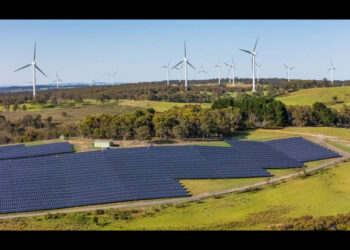



According to our Growth Market Report, The Distributed Solar Power Generation Market was USD 130.80 Billion in 2022 and is likely to reach USD 240.47 Billion by 2031, expanding at a CAGR of 7% during 2023 – 2031. Growth of the market is attributed to increasing energy consumption, traditional power sources unable to meet requirement, supportive government policies, and upcoming projects.
Powering the Nation from Rooftops to Rural Fields
India’s energy landscape is undergoing a profound transformation, and distributed solar power generation stands at the center of this shift. Unlike large-scale solar farms, distributed solar refers to smaller, decentralized systems installed close to the point of consumption—on rooftops, commercial buildings, agricultural land, and even community spaces. This model is not just about generating electricity; it is about redefining how energy is produced, consumed, and managed across the country.
Understanding Distributed Solar Power
A Shift from Centralized to Decentralized Energy
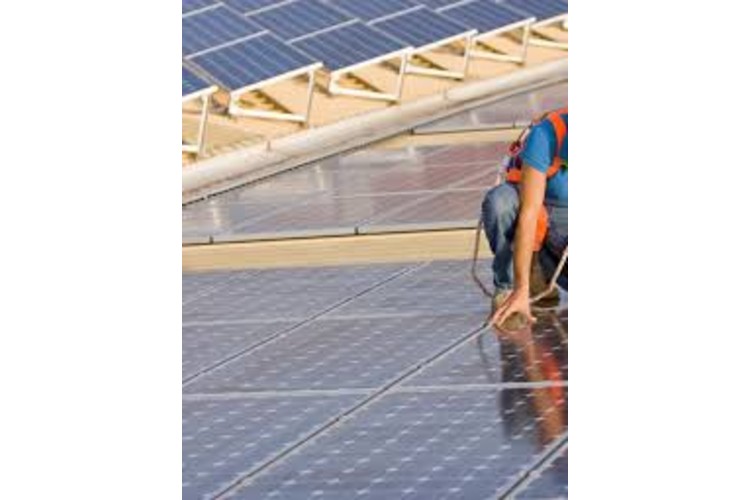
Traditionally, India has relied on centralized power plants where electricity is generated and transmitted over long distances. Distributed solar disrupts this model by enabling localized generation. Rooftop solar panels, solar microgrids, and captive solar installations empower consumers to become “prosumers”—both producers and consumers of energy.
This decentralized approach reduces transmission losses, enhances grid resilience, and ensures energy access in remote or underserved regions.
Market Dynamics in India
Key Growth Drivers
1. Government Initiatives and Policy Support
India’s push towards renewable energy has been backed by strong policy frameworks. Programs like rooftop solar subsidies, net metering policies, and schemes for residential and MSME sectors have accelerated adoption. The government’s ambitious renewable targets have also encouraged private investments in distributed solar.
2. Rising Electricity Costs
With increasing tariffs in urban and industrial areas, distributed solar offers a cost-effective alternative. Businesses and households are increasingly installing rooftop systems to hedge against rising electricity bills and ensure long-term savings.
3. Energy Access in Rural India
Distributed solar plays a critical role in electrifying rural and remote regions where grid connectivity is unreliable. Solar microgrids and standalone systems provide consistent power for homes, schools, and small enterprises, boosting local economies.
4. Corporate Sustainability Goals
Indian corporates are aligning with global ESG (Environmental, Social, Governance) standards. Distributed solar installations help companies reduce their carbon footprint while improving operational efficiency and brand reputation.
Technology Advancements
Making Solar Smarter and More Efficient
The distributed solar market is benefiting from rapid technological innovation. High-efficiency photovoltaic panels, energy storage systems, and smart inverters are enhancing system performance. Integration with digital monitoring platforms allows users to track energy generation and consumption in real time.
Battery storage is emerging as a game-changer, enabling users to store excess energy and use it during peak demand or outages. This is particularly valuable in regions with inconsistent power supply.
Market Segmentation
Diverse Applications Across Sectors
Residential Sector
Urban households are increasingly adopting rooftop solar systems, driven by subsidies and awareness campaigns. Gated communities and apartment complexes are also exploring shared solar installations.
Commercial and Industrial Sector
This segment dominates the distributed solar market in India. Factories, warehouses, malls, and office buildings are installing solar systems to reduce operational costs and ensure energy reliability.
Agricultural Sector
Solar-powered irrigation pumps are transforming agriculture by reducing dependence on diesel and grid electricity. Farmers benefit from lower costs and improved productivity, while also contributing to clean energy generation.
Challenges in the Market
Despite strong growth, the distributed solar market faces several challenges:
- Financing Constraints: High upfront costs can deter adoption, especially for small consumers.
- Policy Inconsistencies: Variations in net metering regulations across states create uncertainty.
- Grid Integration Issues: Managing distributed generation within existing grid infrastructure requires upgrades and smart grid solutions.
- Awareness Gaps: Many potential users are still unaware of the financial and environmental benefits of solar energy.
Competitive Landscape
Key players competing in the distributed solar power generation market include JinkoSolar Holding Co. Ltd., Canadian Solar Inc., Trina Solar Limited, Active Solar GmbH, Wuxi Suntech Power Co. Ltd., Yingli Solar, Sharp Solar Energy Solution Group, Tesla Inc., and First Solar Inc.
Some of these players are using several market strategies such as acquisitions, merger, collaborations, partnerships, capacity expansion, and product launches to enhance their market shares and to generate revenue and rise their production line of the business in the coming years.
Future Outlook
According to our Growth Market Report, The future of distributed solar power generation in India looks promising. With advancements in storage technology, supportive government policies, and increasing consumer awareness, the market is expected to witness exponential growth.Emerging trends such as peer-to-peer energy trading, virtual power plants, and integration with electric vehicle charging infrastructure will further expand the scope of distributed solar.