


In a world of rising energy demands, fluctuating fuel prices, and growing environmental concerns, energy efficiency has become more than just a technical concept—it is a way of life. Consider this: the average household can reduce its energy consumption by 20–30% simply by adopting efficient practices and technologies. That’s not just a statistic—it’s an opportunity. From the light bulbs we use to the way we commute, everyday choices play a powerful role in shaping both our utility bills and the planet’s future.
Understanding Energy Efficiency
Energy efficiency means using less energy to perform the same task or achieve the same outcome. It’s about eliminating waste without sacrificing comfort, productivity, or convenience. For example, replacing a traditional incandescent bulb with an LED light can reduce electricity usage by up to 80%, while providing the same level of brightness.
Unlike energy conservation—which often involves reducing usage (like turning off lights)—energy efficiency focuses on smarter usage. It is not about doing less; it is about doing better.
Why Energy Efficiency Matters
1. Lower Energy Bills
One of the most immediate benefits of energy efficiency is cost savings. Efficient appliances and habits reduce electricity and fuel consumption, translating into lower monthly expenses. Over time, even small changes—like unplugging unused devices or switching to energy-efficient fans—can result in substantial savings.
2. Environmental Protection
Energy production, especially from fossil fuels, contributes significantly to greenhouse gas emissions. By reducing energy consumption, individuals can help lower carbon emissions and combat climate change. Energy efficiency is one of the simplest and most effective ways to reduce environmental impact.
3. Resource Conservation
Natural resources such as coal, oil, and natural gas are finite. Efficient energy use helps preserve these resources for future generations while reducing the strain on ecosystems caused by extraction and processing.
4. Improved Quality of Life
Energy-efficient homes are often more comfortable. Better insulation, efficient cooling systems, and proper ventilation create a healthier indoor environment with consistent temperatures and improved air quality.
Energy Efficiency at Home
The home is the starting point for energy efficiency. Since residential spaces consume a large share of electricity, even small improvements can have a major impact.
Lighting
Switching to LED bulbs is one of the easiest and most effective steps. LEDs use significantly less energy and last much longer than traditional bulbs. Additionally, maximizing natural light during the day reduces the need for artificial lighting.
Appliances
Modern appliances are designed to be more energy-efficient. When purchasing new appliances, look for energy ratings or labels that indicate efficiency levels. Refrigerators, washing machines, and air conditioners are among the biggest energy consumers in households.
Heating and Cooling
Air conditioning and heating systems account for a large portion of energy use. Setting thermostats wisely—around 24–26°C for cooling—can significantly cut energy consumption. Regular maintenance of systems, such as cleaning filters, ensures optimal performance.
Insulation and Ventilation
Proper insulation keeps homes cool in summer and warm in winter, reducing the need for artificial temperature control. Good ventilation also improves air circulation and reduces reliance on fans or air conditioners.
Standby Power
Many devices consume electricity even when turned off. This “phantom load” can account for up to 10% of household energy use. Unplugging devices or using power strips can help eliminate this waste.
Smart Habits for Daily Efficiency
Energy efficiency is not only about technology—it is also about behavior.
- Turn off lights and fans when leaving a room.
- Use natural ventilation whenever possible.
- Wash clothes in cold water and air-dry instead of using dryers.
- Cook efficiently by using pressure cookers or covering pots to retain heat.
- Limit water heating, as it consumes a significant amount of energy.
These habits may seem small, but when practiced consistently, they create a meaningful reduction in energy use.
Transportation and Energy Use
Transportation is another major area where energy efficiency plays a vital role.
Public Transport
Using buses, trains, or shared mobility reduces the number of vehicles on the road, lowering fuel consumption and emissions.
Carpooling
Sharing rides with others reduces individual fuel costs and minimizes environmental impact.
Fuel-Efficient Vehicles
Choosing vehicles with better mileage or hybrid/electric options significantly reduces energy consumption over time.
Walking and Cycling
For short distances, non-motorized transport options not only save energy but also promote health and well-being.
Role of Technology
Advancements in technology have made energy efficiency more accessible than ever.
Smart Devices
Smart thermostats, lighting systems, and home automation allow users to monitor and control energy use in real time. These systems optimize energy consumption based on usage patterns.
Renewable Energy Integration
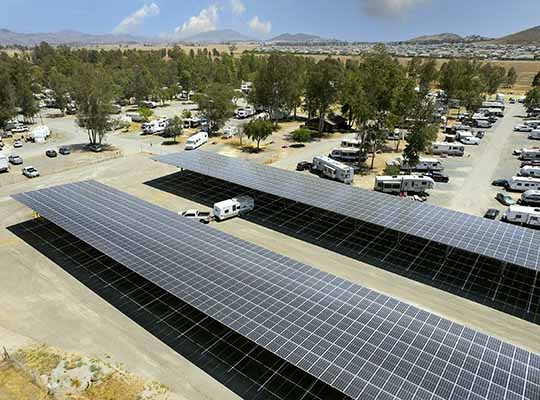
Solar panels and other renewable energy systems complement efficiency efforts by providing cleaner sources of power. Combining efficiency with renewables maximizes both economic and environmental benefits.
Energy Monitoring Apps
Digital tools help track energy consumption, identify waste, and suggest improvements, empowering users to make informed decisions.
Energy Efficiency in Workplaces
Offices and commercial spaces also have significant potential for energy savings.
- Efficient lighting systems and motion sensors reduce unnecessary usage.
- Energy-efficient equipment lowers operational costs.
- Remote work options reduce commuting-related energy consumption.
- Green building designs incorporate natural lighting, insulation, and efficient materials.
Organizations that prioritize energy efficiency not only reduce costs but also enhance their sustainability credentials.
Challenges to Adoption
Despite its benefits, energy efficiency faces several barriers:
Initial Costs
Energy-efficient appliances and technologies can have higher upfront costs, discouraging adoption. However, these costs are often offset by long-term savings.
Lack of Awareness
Many people are unaware of how much energy they waste or how simple changes can make a difference.
Behavioral Resistance
Habits are hard to change. People may resist adopting new practices due to inconvenience or lack of motivation.
Policy and Infrastructure Gaps
In some regions, limited access to efficient technologies or lack of incentives slows progress.
Encouraging a Culture of Efficiency
Promoting energy efficiency requires collective effort from individuals, communities, businesses, and governments.
Education and Awareness
Public campaigns and educational programs can inform people about the benefits and methods of energy efficiency.
Incentives and Policies
Governments can encourage adoption through subsidies, tax benefits, and energy standards.
Community Initiatives
Local efforts, such as energy-saving competitions or awareness drives, can foster a sense of shared responsibility.
Corporate Responsibility
Businesses can lead by example by adopting efficient practices and promoting sustainability among employees and customers.
The Bigger Picture
Energy efficiency is often described as the “first fuel” because it is the most cost-effective way to meet energy needs. Instead of producing more energy, we can simply use less of it more effectively. This approach reduces the need for new power plants, lowers emissions, and conserves resources.
Globally, improving energy efficiency could account for more than 40% of the emissions reductions needed to meet climate goals. This highlights its critical role in addressing environmental challenges.
Conclusion
Energy efficiency is not a distant goal reserved for scientists or policymakers—it is a practical, everyday responsibility. From switching off unused appliances to investing in efficient technologies, each action contributes to a larger impact. The beauty of energy efficiency lies in its simplicity: small changes, when multiplied across millions of people, can transform the way we use energy.As we face the challenges of climate change, resource depletion, and rising energy costs, the path forward is clear. By embracing energy efficiency in our daily lives, we not only save money but also protect the environment and ensure a sustainable future for generations to come. The power to make this change is already in our hands—it begins with the choices we make today.