


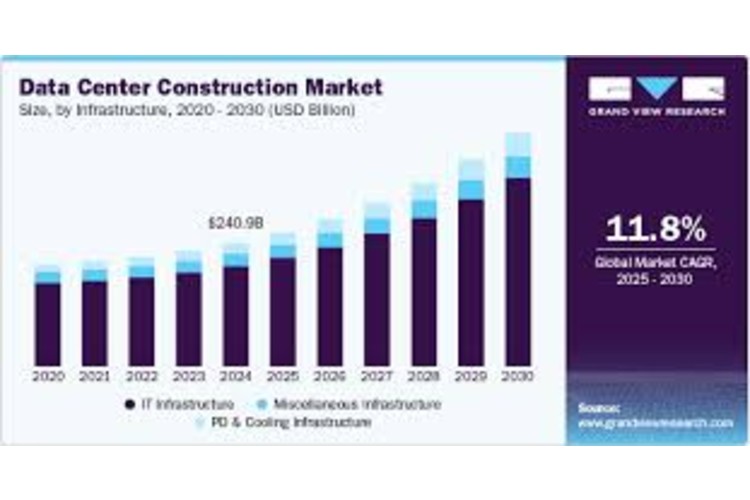
The U.S. Data Center Construction Market is undergoing an unprecedented transformation. Fueled by digitization, surging data consumption, and a heightened demand for advanced technologies, the market is becoming one of the most strategically significant sectors in the American infrastructure landscape. With data centers forming the backbone of everything from cloud computing to artificial intelligence (AI), their construction and expansion are critical to sustaining the digital economy. Below are the top 10 drivers behind the explosive growth of this sector, compiled through in-depth analysis and insights from industry leaders and Persistence Market Research.
1. Explosion of Cloud Computing and SaaS Models
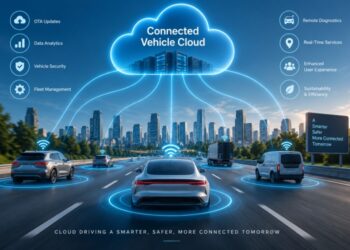
One of the primary forces behind the boom in the U.S. Data Center Construction Market is the widespread adoption of cloud computing. Businesses of all sizes are shifting from on-premises IT infrastructure to cloud-based services such as Amazon Web Services (AWS), Microsoft Azure, and Google Cloud. These platforms demand robust and scalable data center infrastructure to support dynamic workloads, user traffic, and data security.
The rise of Software as a Service (SaaS) platforms has added further momentum to this trend, leading to the rapid construction of hyperscale data centers across key U.S. regions.
2. Rise in AI and Machine Learning Applications
Artificial Intelligence (AI) and machine learning are data-intensive technologies that require immense computing power and storage. From autonomous vehicles to real-time fraud detection systems, AI-driven applications are forcing tech giants and enterprises to invest heavily in purpose-built data centers.
With AI infrastructure demanding specialized processors, advanced cooling systems, and high-density server environments, construction companies are increasingly focusing on AI-optimized data center designs.
3. 5G Network Rollout and Edge Computing
The national rollout of 5G is contributing to the decentralization of data centers. As mobile networks gain speed and reduce latency, applications such as augmented reality (AR), IoT (Internet of Things), and smart city solutions require data to be processed closer to the user.
Edge computing—where data is processed at the network’s edge rather than in centralized locations—is reshaping how data centers are designed and distributed. This has led to increased demand for smaller, regional data centers, especially in urban and semi-urban areas across the United States.
4. Surge in E-commerce and Digital Payments
The pandemic-induced shift toward online shopping and digital transactions has significantly increased the demand for secure and scalable data infrastructure. E-commerce giants such as Amazon, Walmart, and Shopify are investing in backend systems powered by advanced data centers to handle real-time inventory, customer data, and analytics.
Digital payment processors like PayPal and Stripe also depend heavily on reliable and redundant data center systems, further expanding the U.S. Data Center Construction Market footprint.
5. Government and Defense Digitalization Initiatives
Federal and state governments in the U.S. are investing heavily in digital infrastructure to modernize public services and defense operations. Initiatives like FedRAMP (Federal Risk and Authorization Management Program) require secure and compliant cloud environments, pushing the demand for data centers designed to meet federal cybersecurity and privacy standards.
Agencies are also leveraging hybrid cloud strategies, creating an ongoing need for highly secure, government-compliant data center construction projects.
6. Sustainability and Green Building Practices
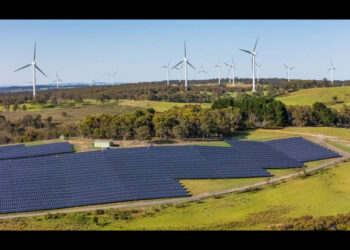
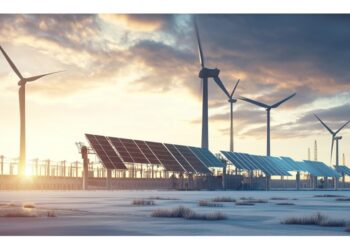
With environmental concerns on the rise, companies are under pressure to construct sustainable, energy-efficient data centers. The implementation of green building certifications like LEED (Leadership in Energy and Environmental Design) and the use of renewable energy sources such as solar and wind power are shaping modern data center construction.
Persistence Market Research highlights that sustainability is now a competitive differentiator, with companies like Google and Meta committing to carbon-neutral or carbon-negative data center operations by the end of the decade.
7. Demand for Colocation and Multi-Tenant Facilities
Small to mid-sized enterprises (SMEs) that cannot afford to build their own data centers are turning to colocation services. These shared facilities allow multiple organizations to lease physical space within a single data center, sharing power, cooling, and connectivity.
The rise of managed services and cloud partnerships is driving demand for colocation and multi-tenant data centers, leading to increased construction activity in regions with high SME density.
8. Robust Investment from Private Equity and REITs
The U.S. Data Center Construction Market has attracted substantial attention from real estate investment trusts (REITs) and private equity firms. Infrastructure funds are actively acquiring land, developing campuses, and forming joint ventures with tech firms to capitalize on the long-term potential of data storage and management.
This influx of capital is accelerating both greenfield (new build) and brownfield (redevelopment) data center construction projects across states like Virginia, Texas, and California.
9. Regulatory Compliance and Data Sovereignty
U.S.-based companies are required to meet stringent regulations around data privacy and protection. Laws such as HIPAA (Health Insurance Portability and Accountability Act) and CCPA (California Consumer Privacy Act) demand localized and secure data storage, especially for healthcare, finance, and legal sectors.
As a result, companies are constructing region-specific data centers to ensure data remains within certain jurisdictions—reinforcing the importance of location in data center planning and construction.
10. Increased Enterprise IT Spending Post-COVID
The pandemic acted as a catalyst for digital transformation, prompting enterprises to reevaluate their IT infrastructure. As remote work, virtual collaboration, and cybersecurity concerns surged, companies allocated larger portions of their IT budgets to cloud services and digital platforms.
This shift is reflected in increased enterprise spending on new data center builds and retrofits, aiming to support hybrid work models and long-term digital scalability.
The rapid evolution of the digital economy has made data centers critical infrastructure for the future. From hyperscale builds for cloud giants to edge facilities for smart applications, the U.S. Data Center Construction Market is poised for sustained growth across the next decade.
As Persistence Market Research suggests, the convergence of AI, sustainability, and distributed computing will continue to redefine how data centers are designed, financed, and operated. Organizations that align their construction strategies with these emerging trends will be better positioned to meet tomorrow’s digital infrastructure needs.