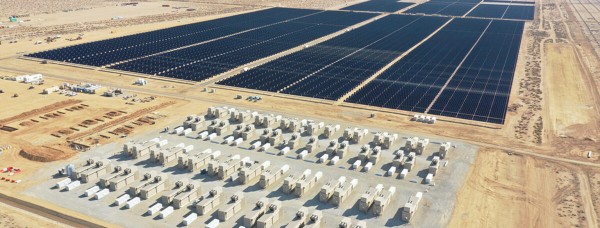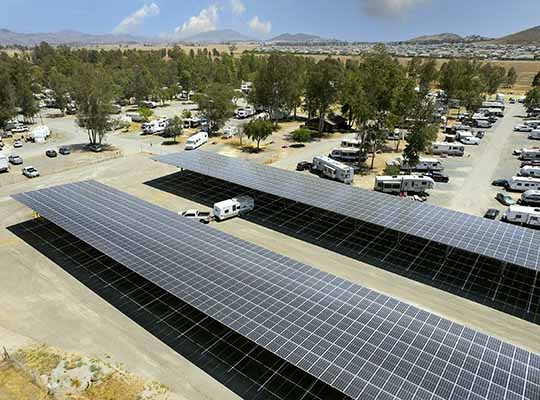



In my experience, people who are interested in renewable energy also tend to enjoy nature. Many of us like birdwatching and spotting creatures in their natural habitat but there’s one place wildlife doesn’t belong: near our solar panels.
The biggest problem? Bird droppings – Birds and other animals are attracted to solar arrays for a variety of reasons. Some like the shine or the shelter they provide, others enjoy the heat they radiate and many like all of those aspects.
As a result, solar panels can pull uninvited guests toward them like magnets. Not being tutored in proper manners, birds and other animals can defecate all over them. This waste is a big problem since it blocks the photovoltaic cells from accessing sunlight.
Indeed, of all the various kinds of dirt, dust, and debris that can fall on solar panels, one study concluded avian excrement has the most deleterious effect on performance. According to the paper, “Bird droppings accounted for about 46.42% to 89.18% of efficiency loss [in solar panels].”
This waste is also unpleasant to look at and if that’s not gross enough, when it is left to bake onto panels, it can cause permanent damage.
Loose wiring – The natural movement of birds and animals can loosen panel wiring. When connections are compromised, it can have a negative effect on an entire system and efficiency can suffer. Squirrels also like to gnaw on the wires, for some reason known only to themselves.
Birds and other animals sometimes decide to build nests or burrows among solar panels. The new residents then constantly move around the system, increasing the risk of poor connections.
Ventilation and fire – Build-up of nesting matter can also interfere with the panel ventilation. The empty space between a roof and the panels mounted on it, as well as between the panels, keeps systems cool. The accumulated material that comes with a bird or other animal infestation can lead a solar system to build up heat.
Electrical fires can result from damaged solar panels, and nests can serve as kindling for an even bigger blaze. With this in mind, bird nests and animal dens also constitute a fire hazard.
Misaligned panels – Moreover, just as high winds and storms can knock panels out of their brackets, so can the jostling of animals. As solar industry professionals know, the angle at which a panel is set is carefully chosen and depends on particular geographic locations, to maximize energy production. Installers measure this angle with pinpoint precision to ensure panel efficiency. Having a raccoon or other critter come along and push the panel out of position can undo much of that painstaking work.
There have even been cases of dangerous insects, such as hornets and wasps building hives in, under, and around solar panels, presenting an obvious risk to people and pets in the vicinity. Nobody wants to get stung and for those who are severely allergic to stings, just one could be potentially fatal.
The solution – The good news is that there are ways to dissuade birds and other animals from approaching your solar array. If they don’t dare go near it, they won’t choose to set up house there.
To frighten birds and other critters away from a solar system, the first thing any owner should do is keep their array immaculate. Regularly scheduled cleaning and maintenance, from professionals, is the best way to ensure this.
Decoys and soundtracks – A predator decoy can also deter animals from moving in. While inert statues of owls and raptors can serve this purpose, in my experience many creatures will quickly detect they aren’t real and might even start using them as roosts themselves.
Technology that moves and appears lifelike is more effective. For instance, kites in the shape of a predator bird can be hoisted onto rods to fly in any breeze. Robotic birds that flap their wings and make other convincing movements are also available.
The more concerned you are with the presence of wildlife around your installation, the more you might want to consider adding audio components to your predator decoy. Soundtracks of attack cries scare animals away and can be pitched at a frequency that humans don’t hear.
Netting and fencing – In cases of infestation, more drastic measures may be necessary. For instance, after removing all traces of wildlife, system owners may want to put up netting to prevent critters from returning.
Since netting can be unsightly, and may interfere with panel performance, another solution would be to install an electric fence — the same kind of invisible barrier many dog owners use to ensure their pets don’t escape. If an animal crosses the barrier, they receive a minor electric shock that teaches them to stay away in future.
Spikes can also prevent birds from landing on a roof or near a solar array.
Permitting animals to roost in solar panels can cause a massive headache, which is why it’s best to address the issue before it occurs.
Keep wildlife where it belongs — in its natural habitat, rather than rooftop solar arrays.