


Electric vehicles (EVs) are frequently used as a prism through which to view India’s transition to sustainable transportation. Rising EV sales, the introduction of new cars, and government incentives aimed at promoting adoption are often featured in headlines. Even if these advancements are important, the real basis of the electric mobility revolution is not found in the cars themselves. A complete infrastructural ecosystem that facilitates charging, energy management, battery technology, digital connectivity, and urban integration is essential to the success of e-mobility.
Investments in e-mobility infrastructure are becoming as crucial as the cars on the road as India strives to lower carbon emissions, improve energy security, and modernize its transportation industry. The robustness and resilience of the ecosystem that powers EVs will decide mobility in the future, not just the quantity of EVs sold.
The Evolution from Vehicle-Centric to Ecosystem-Centric Mobility
In the early stages of India’s EV journey, the main focus was on promoting vehicle adoption through awareness campaigns and incentives. But legislators and business executives are realizing more and more that a comprehensive strategy is needed for broad electrification.
Consumers often cite concerns such as charging availability, battery life, range anxiety, and service accessibility as barriers to EV adoption. Addressing these challenges requires a robust infrastructure network that seamlessly integrates transportation, energy, and digital technologies. As a result, India is shifting from a vehicle-centric strategy to an ecosystem-centric model of mobility development.
Expanding Charging Infrastructure
Charging infrastructure forms the backbone of the e-mobility ecosystem. The availability of reliable and accessible charging stations directly influences consumer confidence and adoption rates.
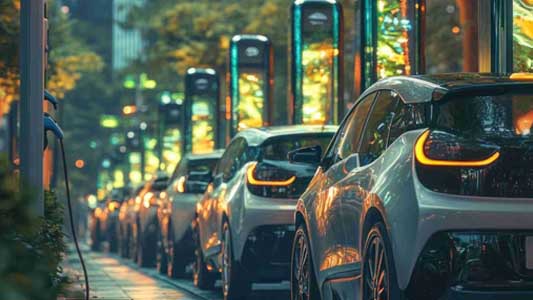
India is witnessing rapid deployment of public charging stations across highways, urban centers, commercial complexes, and residential communities. Fast-charging corridors are being developed along major transportation routes to support long-distance travel, while workplace and apartment charging solutions are emerging in metropolitan areas.
However, challenges remain. Rural regions often lack adequate charging facilities, and uneven distribution of infrastructure can limit EV penetration outside major cities. Bridging this gap will require coordinated efforts between government agencies, utility providers, and private enterprises.
Battery Swapping: A Game-Changer for India
Battery swapping has emerged as a promising solution tailored to India’s unique mobility needs. Instead of waiting for a battery to recharge, users can exchange depleted batteries for fully charged ones at designated swapping stations.
This model is particularly beneficial for two-wheelers, three-wheelers, and commercial delivery fleets, where operational downtime directly impacts productivity. Battery swapping reduces charging wait times, lowers vehicle acquisition costs, and creates new business opportunities through battery-as-a-service models.
As urban logistics and last-mile delivery services continue to expand, battery swapping could become a cornerstone of India’s e-mobility infrastructure.
Smart Grids and Energy Management
The rapid growth of EV adoption presents new challenges for India’s electricity grid. Charging millions of vehicles simultaneously could place significant stress on existing power systems if not managed effectively.
Smart grids offer a solution by enabling real-time monitoring, demand forecasting, and intelligent load management. Advanced technologies such as artificial intelligence and Internet of Things (IoT) devices can optimize electricity distribution, ensuring grid stability while accommodating growing EV demand.
Additionally, Vehicle-to-Grid (V2G) technology has the potential to transform EVs into mobile energy storage units. During periods of peak demand, EV batteries could supply electricity back to the grid, enhancing overall energy resilience.
Renewable Energy Integration
Electric mobility can only achieve its full environmental potential when paired with clean energy sources. Charging EVs using electricity generated from fossil fuels limits the sustainability benefits of transportation electrification.
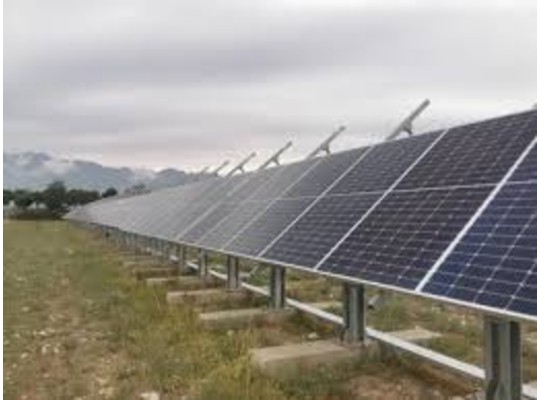
To address this issue, India is increasingly integrating renewable energy sources such as solar and wind power into charging infrastructure. Solar-powered charging stations are gaining popularity in both urban and rural settings, reducing dependence on conventional power sources and lowering operational costs.
The combination of renewable energy and electric mobility creates a synergistic pathway toward decarbonization, helping India meet its climate goals while improving energy independence.
Digital Infrastructure: The Invisible Engine of E-Mobility
Modern e-mobility extends far beyond physical infrastructure. Digital platforms play a critical role in enhancing user experience and operational efficiency.
Mobile applications allow users to locate charging stations, monitor charging status, reserve charging slots, and make digital payments. Fleet operators utilize advanced analytics, route optimization software, and predictive maintenance systems to maximize efficiency and reduce costs.
IoT-enabled charging networks generate valuable data that can inform urban planning, infrastructure expansion, and energy management strategies. In many ways, digital infrastructure serves as the invisible engine driving the e-mobility ecosystem.
Urban Planning and Smart Cities
As Indian cities continue to grow, urban planners are incorporating e-mobility considerations into future development strategies. Smart city initiatives increasingly include provisions for EV-ready buildings, dedicated charging zones, and electrified public transportation systems.
Electric buses, metro connectivity, and shared mobility services are becoming integral components of sustainable urban transportation networks. By integrating e-mobility into city planning from the outset, municipalities can reduce congestion, improve air quality, and enhance overall quality of life.
Electrifying Logistics and Commercial Transport
While passenger vehicles often dominate discussions about EVs, the commercial transportation sector represents one of the most significant opportunities for electrification.
Last-mile delivery services, e-commerce logistics, and urban freight operations are rapidly adopting electric vehicles due to their lower operating costs and environmental benefits. This transition requires specialized charging hubs, fleet management systems, and energy infrastructure designed to support high-utilization commercial vehicles.
As India’s digital economy expands, electrified logistics networks will play a crucial role in creating sustainable and efficient supply chains.
Investment Opportunities and Innovation
The growth of e-mobility infrastructure is attracting substantial investment from startups, corporations, and financial institutions. Opportunities extend beyond vehicle manufacturing into areas such as charging technologies, battery recycling, energy storage systems, software platforms, and renewable energy integration.
Innovation is emerging across the value chain, with entrepreneurs developing solutions to improve charging efficiency, battery lifespan, and grid management. These advancements have the potential to position India as a global leader in sustainable mobility technologies.
Challenges Ahead
Despite significant progress, several obstacles remain. Infrastructure deployment requires substantial capital investment, regulatory coordination, and land acquisition. Standardization of charging systems and battery technologies remains a critical challenge.
Cybersecurity concerns are also growing as charging networks become increasingly connected and data-driven. Ensuring secure and reliable digital infrastructure will be essential to maintaining consumer trust and operational resilience.
Furthermore, workforce development and technical training programs will be necessary to support the growing demand for skilled professionals in the e-mobility sector.
Conclusion
India’s e-mobility revolution is about far more than electric vehicles. It is about building an interconnected ecosystem that combines charging infrastructure, smart energy management, renewable power generation, digital technologies, urban planning, and innovative business models.
The future of sustainable transportation will depend not only on the vehicles that travel the roads but also on the infrastructure that supports every journey. As India continues its transition toward cleaner and smarter mobility, the development of a resilient e-mobility ecosystem will be the defining factor in achieving long-term success.
By looking beyond EVs and focusing on the broader infrastructure landscape, India has the opportunity to create a transportation system that is efficient, inclusive, environmentally responsible, and prepared for the demands of the future.