


Not only India, but all of the world’s top automakers have concluded that electric vehicles are the way of the future. With the arrival of e-mobility, the Indian automobile sector is undergoing a fundamental transformation. Electric vehicles are less expensive to operate, require less maintenance, and are better for the environment than their internal combustion engine equivalents (ICEs). The government’s demand for incentives under the Faster Adoption and Manufacturing of (Hybrid) and Electric Vehicles (FAME)-II Scheme, as well as different tax breaks under state EV policies, have made EVs an appealing alternative.
There are many roadblocks that are giving Indian customers the creeps and preventing the widespread adoption of electric vehicles. The Indian government is continually seeking to stimulate the use of electric cars by decreasing the cost of gasoline imports and improving air quality by providing subsidies and other incentives. Although sales of these electric vehicles are increasing, there are several issues on the ground. According to a Grant Thornton Bharat-FICCI poll, India would need 400,000 charging stations by 2026 to meet the demand for two million electric vehicles on the road.
India buys approximately 25 million autos every year, according to certain estimates (including two-wheelers). By importing batteries, microcontrollers, motors and the ores that account for 60% of a vehicle’s cost, India will spend upwards of $65 billion per year to make transportation completely electric.
Budget-segment two-wheeler and four-wheeler passenger vehicles dominate the Indian auto industry. This rapid rise in EV demand has been linked to middle-income Indian families concerned about the “price tag” of a new car while making a purchase. The high cost of electric vehicles is one of the most significant barriers to their adoption in India.
EVs are more costly than ICEs and have a much larger initial investment. The price difference between an electric car and a comparable ICE vehicle can go up to as high as three to four times, making EVs a less appealing alternative for the ordinary Indian buyer. This significant disparity in EV upfront prices might result in expensive research and battery expenses, a shaky raw material supply chain, and inadequate economies of scale.
The EV industry is expected to develop at a robust CAGR of 43.13 percent from 2019 to 2030, according to Research and Markets’ India Electric Vehicle Ecosystem Market Outlook 2030. Charging infrastructure installation is expected to expand at a CAGR of 42.38 percent. The cost of sustaining electric vehicles on the road will be at least half that of oil if the US does not engage in electric vehicle production, which requires the specialised fabrication of multiple microcontrollers, electric motors, and telematics hardware. This big issue stems from legacy investments in the internal combustion engine, as well as the fact that the bulk of component suppliers are still stuck in the past.
The cost of a battery inside an electric vehicle now accounts for 40–50% of the vehicle’s overall production cost. Metals including lithium, cobalt, nickel, and manganese are used in the battery pack of an electric scooter, which is made up of lithium-ion cells. The main issue with these raw resources is that they are less easily available and frequently restricted to certain geographical areas, making them more expensive. India imported $1.23 billion worth of lithium-ion batteries in 2018-2019.
To source these raw materials, India’s industry must be able to grow to mitigate the high import costs of the remainder of the battery pack, through various initiatives such as by promoting domestic lithium-ion battery cell production plants. The industry of battery energy storage is at a very nascent stage in India, but with the proposed government plans of providing $4.6 billion in incentives for setting up battery manufacturing facilities with modern technologies, battery costs could significantly fall in the coming months and years.
Economies of scale refer to cost savings received as a result of the size of an operation, i.e. the larger the operation, the greater the savings on specific fixed expenses. Currently, the majority of electric vehicle (EV) original equipment manufacturers (OEMs) do not benefit from their sales. High manufacturing and R&D expenses, raw material supply restrictions, and poor production capacity all have an impact. Costs are coming down as a result of increased expenditures in R&D and manufacturing capacity, as well as an increase in the number of EV sales, thus this promises a good chance in the industry’s economies of scale.
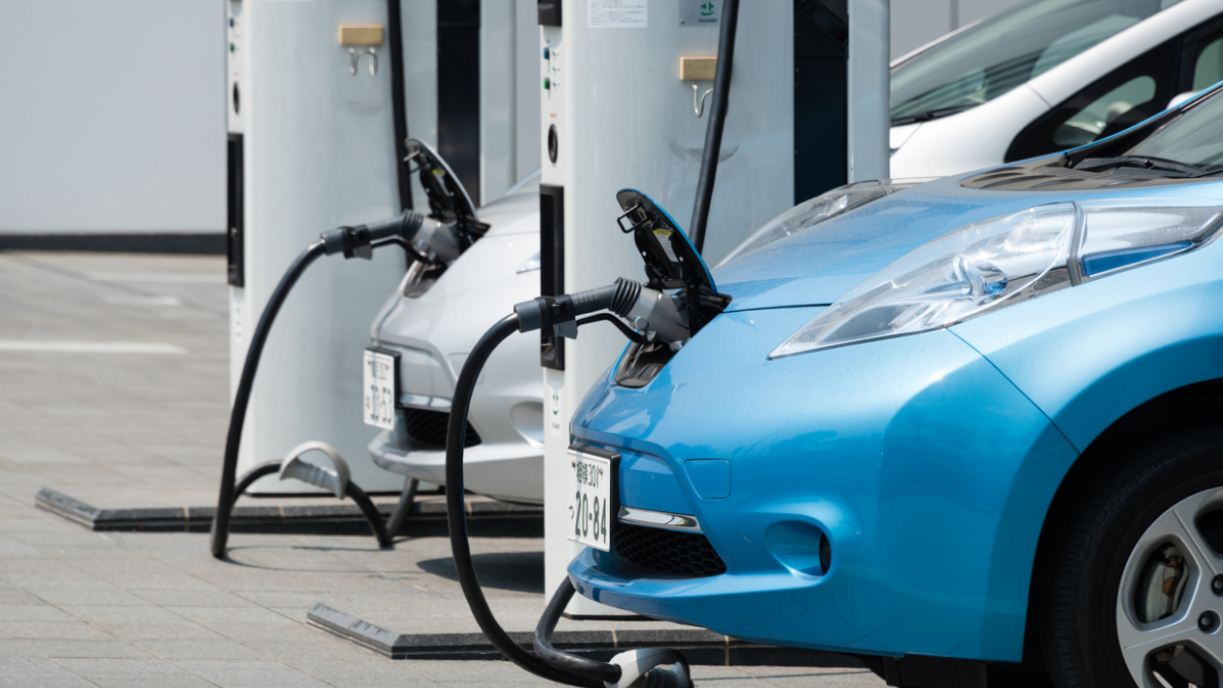
In the case of electric vehicles, charging infrastructure refers to the network of EV charging stations and battery swap stations that are required to refuel EVs reliably while on the road. As a result, India’s adoption of electric vehicles is hampered by a large gap and a lack of significant charging infrastructure. The first is to ensure that the system can supply enough energy to swiftly charge a large number of EVs, and the second is to ensure that the distribution system is in place to charge the correct vehicles at the right time.
Due to a lack of sufficient charging infrastructure, potential electric vehicle purchasers are experiencing “range anxiety.” The biggest problem is that the charge in an electric vehicle will not last until it reaches its destination. To ease range anxiety, we need to build a wide network of charging infrastructure, create better battery capacity – yet at a cost-effective price – and develop battery-swapping technologies that save time.
The mindset about the availability of public charging infrastructure can be vital in the adoption of EVs. Large-scale public infrastructure development can assist potential buyers to overcome range anxiety and connect urban, regional, and rural areas. The Indian government aids infrastructure development, bringing India closer to its aim of being an electric vehicle nation.
India is working on the mission, but obtaining the EV nation designation would take time. Because everyone is eager for environmentally friendly and cost-effective personal transportation solutions, and because online shopping is quickly becoming the norm, the ever-present COVID-19 situation is projected to increase the rate of adoption of EVs. The popularity of electric vehicles has grown rapidly among customers, but practical adoption appears to be gradual.
The upfront costs and lack of confidence in EVs must be reduced through a combination of measures and programs implemented by a variety of stakeholders – the industry must promote domestic manufacturing of EV batteries and work with the government to ensure that this is implemented where possible, the government must step up and take responsibility for developing a nationwide charging infrastructure network, and consumer participation will be required to boost the market. Electric mobility is intended to assist India in meeting its Sustainable Development Goals (SDGs), reducing/easing traffic congestion, and decoding the complicated code of developing sustainable cities.
About The Autor :

Dr. Irfan Khan
The author is Founder & CEO of eBikeGo (https://ebikego.com ) India’s largest smart electric two-wheeler mobility platform